




| Quantity: | |
|---|---|


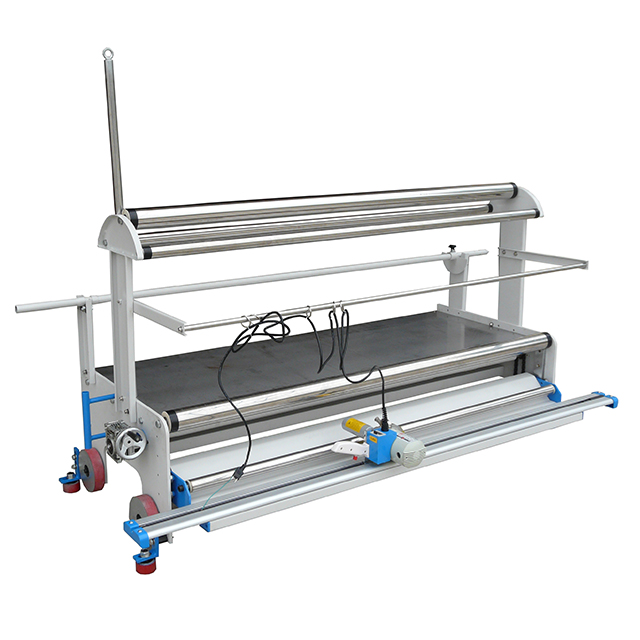
The manual fabric spreader is a game-changing auxiliary equipment tailored for the textile, apparel, and home furnishing sectors, designed to streamline the fabric unrolling and layering process. Unlike cumbersome traditional manual spreading methods, this fabric spreading machine combines simplicity with precision, enabling users to achieve smooth, wrinkle-free fabric layers that serve as a reliable foundation for subsequent cutting workflows. Its user-centric design prioritizes ease of operation, making it accessible to operators of all skill levels, while its compact footprint ensures it fits seamlessly into diverse workshop layouts. As a core fabric layering tool, it bridges the gap between manual labor and full automation, offering an intelligent upgrade for businesses seeking efficiency without compromising flexibility.
Crafted with durability and performance in mind, the manual fabric spreader features high-quality components that stand up to regular use in busy production environments. The key structural elements, including the frame and support brackets, are made from robust, lightweight materials that balance sturdiness with portability—critical for small to medium-sized workshops. At the heart of the machine, precision-engineered guide rollers ensure consistent fabric movement, while advanced tension adjustment devices work in tandem with flattening press plates to eliminate wrinkles and misalignment. The non-electric design relies on smooth mechanical interactions, with corrosion-resistant parts that reduce wear and tear, minimizing the need for frequent repairs. Every detail, from the ergonomic handle to the stable base, is optimized to enhance usability while maintaining the machine’s ability to handle diverse fabric types.
A manual spreading machine used for both rolled and unrolled fabrics.
The maximum laying height is 20cm
Weight of roll fabric up to 50kg
The regular models of this machine as below
Model | Max. Spreading width | Table width required |
S2-180 | 180cm | 203cm |
S2-200 | 200cm | 223cm |
S2-220 | 220cm | 243cm |
Ideal for custom clothing studios, sample rooms, and small-to-medium garment factories, the manual fabric spreader excels in scenarios where quick fabric switching is essential. Whether working with cotton, linen, silk, or stretch fabrics, this fabric spreading equipment adapts effortlessly, allowing businesses to fulfill personalized orders and test new designs without complex setup procedures. Its ability to handle both rolled and unrolled fabrics makes it a versatile choice for multi-category production lines.
Startups, home workshops, and low-cost OEM factories benefit greatly from the manual fabric spreader’s budget-friendly design. Without the need for electrical power (except for optional cutting blades), it reduces operational costs while maintaining productivity. Its compact size is perfect for space-constrained areas, and its simple structure translates to minimal maintenance expenses—making it a practical investment for resource-limited businesses.
Large-scale factories often rely on the manual fabric spreader as a reliable backup during peak production periods or when automated equipment malfunctions. Its quick setup and intuitive operation minimize downtime, ensuring urgent orders are fulfilled on schedule. Additionally, it supports flexible adjustments for fabric width and tension, making it suitable for last-minute production changes or specialized projects that require precise layering.
We understand that every workshop has unique needs, which is why we offer tailored customization for our manual fabric spreader:
Width Customization: Adjust the maximum spreading width to match your specific cutting table dimensions or fabric roll sizes, ensuring seamless integration with existing workflows.
Accessory Customization: Choose from optional add-ons such as specialized fabric spreader tables, anti-slip rollers for delicate fabrics, or extended handles for enhanced ergonomics.
Operational Training Support: Receive personalized training sessions to help your team master the machine’s features, optimize fabric handling, and troubleshoot common issues.
Material Compatibility Tuning: Modify tension settings and roller materials to accommodate niche fabrics, such as ultra-thin silk or heavyweight denim, ensuring consistent performance across all applications.
Yes! The machine’s adjustable tension and versatile guide rollers make it compatible with a wide range of fabrics, including knits, wovens, stretch materials, cotton, linen, and silk. We can also customize components to handle specialized fabrics based on your needs.
No—its simple, mechanical design means daily cleaning and occasional lubrication of moving parts are sufficient. The absence of complex electronics or software reduces maintenance requirements, keeping fabric spreading machine downtime to a minimum.
While it doesn’t match the high-volume output of fully automated machines, the manual fabric spreader offers unmatched flexibility and cost-effectiveness for small-to-medium batches. It’s an excellent complement to automated lines, especially for custom orders or backup use.
The combination of precision tension adjustment mechanisms, smooth guide rollers, and flattening press plates works to eliminate wrinkles and align fabric layers evenly. This ensures consistent results that enhance the accuracy of subsequent cutting processes.


