


Views: 0 Author: Site Editor Publish Time: 2026-02-11 Origin: Site


In the modern textile and garment manufacturing landscape, the transition from manual craftsmanship to industrial automation has been defined by the evolution of the fabric cutting machine. At its core, this equipment is an advanced mechanical or computerized system designed to transform raw textile rolls into precise, ready-to-sew components. By integrating sophisticated software with robust hardware, these machines have become the heartbeat of the production floor, replacing traditional, labor-intensive methods with high-speed, high-precision technology.
The cutting process is arguably the most critical stage in the manufacturing chain. It is the bridge between a two-dimensional design and a three-dimensional garment. A high-quality fabric cutting machine ensures that every piece is cut with surgical precision, which is essential for the subsequent sewing and assembly stages.
For decades, manual cutting with hand-held shears or basic electric knives was the industry standard. However, this method is inherently slow, risky for operators, and prone to material waste. The introduction of automatic fabric cutting machines has sparked an efficiency revolution. These systems can boost productivity by 4 to 5 times compared to manual labor. By reducing human error to nearly zero, they ensure that the integrity of the design is maintained across thousands of units.
One of the primary functions of a modern cutting machine is to optimize fabric usage. Through advanced pattern nesting software, the machine calculates the most efficient layout for pieces on a given roll of fabric. This drastically reduces "dead space" and material waste, which is a key factor in reducing overall production costs in large-scale manufacturing.
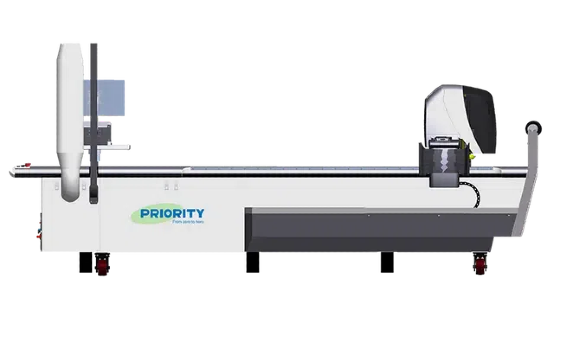
To achieve the level of precision required by today’s fashion and industrial textile sectors, fabric cutting machines rely on a synergy of high-end mechanical components and intelligent control systems.
Most mechanical fabric cutters utilize high-grade steel blades. The quality of these blades is paramount; for instance, precision-engineered blades from leading industrial hubs like Germany are often preferred for their sharpness and longevity. These blades move at high frequencies to slice through various textiles, from lightweight silks to heavy-duty industrial composites, without snagging or distorting the fibers.
The movement of the cutting head is controlled by high-performance motors and inverters. Systems utilizing advanced motor technology—such as those developed in Japan—ensure smooth, consistent power delivery. This allows the machine to navigate complex curves and sharp angles at high speeds while maintaining an accuracy that manual cutting simply cannot replicate.
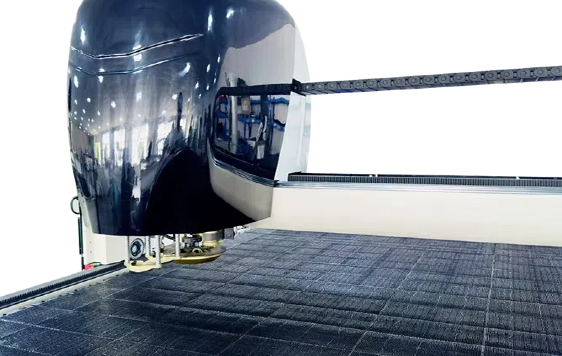
To ensure the fabric does not shift during the cutting process, most professional machines feature a vacuum suction bed. This system "locks" the fabric in place, compressing multiple layers into a solid stack. This stability is crucial for ensuring that the bottom layer of fabric is cut identically to the top layer.
Fabric cutting technology is not a one-size-fits-all solution. Depending on the volume of production and the type of material being processed, machines are categorized into several distinct types.
Designed for mass production, multi-layer cutters are the workhorses of high-volume factories. These machines are capable of processing dozens of layers of fabric simultaneously.
High Throughput: By cutting stacks of fabric at once, they dramatically increase output and meet demanding deadlines.
Uniformity: Sophisticated software ensures that every ply in the stack is cut to the exact same dimensions, ensuring consistency across a massive production run.
Labor Optimization: These systems can replace a significant portion of manual cutting labor, often up to 70%, allowing workers to transition into less hazardous roles.
For bespoke tailoring, sampling, or industries dealing with specialized materials, the single-ply cutter offers unparalleled flexibility and precision.
Delicate Fabric Handling: These machines process each layer individually, making them ideal for challenging textiles like lace, leather, or synthetic blends where accuracy on a single layer is paramount.
Agility for Custom Orders: They are the perfect solution for small-batch production and intricate designs that require frequent changes to the cutting pattern.
The laser cutter represents a non-contact approach to textile processing. Instead of a physical blade, it uses a highly focused beam of light to vaporize the fabric along the cutting path.
Sealed Edges: A major advantage of laser technology is that the heat from the beam seals the edges of synthetic fabrics, preventing fraying and eliminating the need for secondary finishing.
Intricate Detailing: Lasers can achieve incredibly complex patterns, engravings, and perforations that are impossible for traditional mechanical blades to execute.
Beyond speed and accuracy, the implementation of a fabric cutting machine fundamentally changes the safety profile of a manufacturing facility.
Traditional cutting rooms were once dangerous environments filled with sharp tools and physical strain. Modern automatic cutters transform these areas into collaborative spaces. Advanced sensors and emergency stop systems detect obstructions, ensuring the safety of the operator. This shift fosters a more worker-friendly environment where productivity and safety go hand in hand.
As textiles evolve, traditional cutting tools often fail to process new-generation materials, such as digital-printed fabrics or thick industrial composites. Modern cutting machines use adaptive software and smart hardware to break these barriers. They can detect patterns on printed fabrics to ensure the cut aligns perfectly with the design, a task that is nearly impossible to perform manually at high speeds.
While the initial investment in a fabric cutting machine is significant, the long-term economic benefits are clear. Automation leads to a drastic reduction in operational costs.
By increasing efficiency by 400% to 500% and reducing the need for a large team of skilled manual cutters, factories can achieve a rapid ROI. Furthermore, the energy-optimized designs of modern machines minimize power consumption, contributing to a lower total cost of ownership over the machine's lifespan.
In today’s market, sustainability is a key metric. A precision fabric cutting machine contributes to this by minimizing fabric waste through superior nesting algorithms. By ensuring that every inch of fabric reaches its full potential, manufacturers can reduce their environmental footprint while simultaneously improving their profit margins.
The fabric cutting machine is the cornerstone of the transition toward intelligent manufacturing. By combining mechanical strength with digital intelligence, these machines have redefined what is possible in the garment and textile industries. Whether through high-volume multi-layer processing or the intricate precision of laser technology, cutting automation is essential for any facility aiming for excellence in the global market. As technology continues to advance, the fabric cutting machine will remain the vital link that liberates creativity and ensures the efficient production of the world’s textiles.


