


Views: 0 Author: Site Editor Publish Time: 2025-06-23 Origin: Site


In the textile and garment manufacturing industry, a multi layer fabric cutting machine is one of the most critical assets. These machines allow factories to cut dozens, sometimes hundreds, of fabric layers simultaneously, significantly improving production speed and consistency. Because they represent a substantial investment, proper maintenance is crucial to ensure they operate efficiently and last for many years.
Failure to maintain these machines regularly can lead to frequent breakdowns, increased downtime, reduced cutting quality, and costly repairs. On the other hand, diligent upkeep enhances productivity, ensures precision, minimizes fabric waste, and improves overall operational safety.
In this comprehensive guide, we will explore essential tips and best practices for maintaining your multi layer fabric cutting machine. Whether you are a factory owner, machine operator, or maintenance technician, these guidelines will help you keep your equipment in optimal condition and avoid costly disruptions.
Multi layer fabric cutting machines are complex, combining mechanical, electrical, and software components. They operate under continuous, heavy-duty workloads in demanding factory environments. Regular maintenance is not just about fixing problems; it’s about preventing them.
When machines are well-maintained, they:
Perform with consistent accuracy, which is vital for garment quality
Use fabric efficiently, reducing costly waste
Operate safely, protecting workers from injury
Have fewer breakdowns, leading to less unplanned downtime
Maintain energy efficiency, saving on operational costs
Extend machine life, maximizing your investment
Ignoring maintenance often results in diminished cutting precision, increased machine wear, and higher overall operating expenses.
Daily maintenance routines are the first line of defense against machine problems. Operators should perform these simple yet important tasks at the start and end of every workday.
Fabric dust, fibers, threads, and scraps quickly accumulate on and around the cutting table. If left unchecked, this debris can cause the fabric to slip, jam the conveyor system, or interfere with blade operation. Use a soft brush, vacuum, or lint-free cloth to clean the surface thoroughly. Avoid harsh chemicals that might damage the machine surface.
Blades are the heart of the cutting machine. Dirt, glue, and fabric residue can cling to blades, causing rough cuts or fabric damage. Wipe blades gently with a clean cloth, and if necessary, use recommended solvents to remove sticky residues. Check for any signs of damage, such as nicks or bends, and report these immediately.
Many multi layer fabric cutting machines use air jets or vacuum suction to keep fabric layers in place during cutting. Check that air filters are clean and that suction systems are functioning without blockage. Proper airflow ensures stable fabric positioning and precise cuts.
Certain parts of the machine, such as rails, bearings, and chains, require regular lubrication to reduce friction and wear. Use manufacturer-approved lubricants sparingly to avoid attracting dust, which could damage components.
Test emergency stop buttons, safety guards, and warning alarms to confirm they are working correctly. Safety should never be compromised, and early detection of safety device faults is critical.
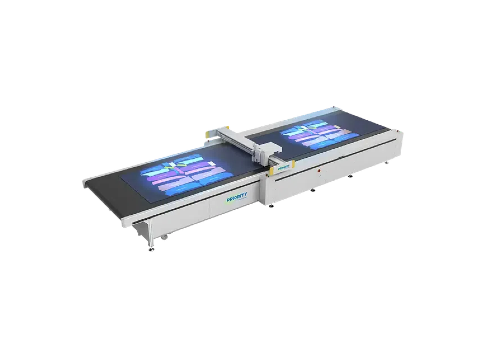
Weekly maintenance requires more detailed inspection and cleaning to prevent long-term damage.
A sharp blade ensures clean, precise cuts. Dull blades pull or tear fabric, causing defects and wasting material. Use a blade sharpness tester or follow manufacturer guidelines to evaluate blade condition. Replace blades before they become too dull or damaged.
Conveyor belts feed fabric layers smoothly under the cutting blade. Check belts and rollers for cracks, fraying, or signs of wear. Misaligned or damaged conveyors can lead to fabric jams or inaccurate cuts. Adjust tension or replace components as needed.
Vibrations during cutting can loosen bolts and screws. Conduct a thorough check to tighten any loose fasteners. This prevents mechanical misalignment and reduces noise and wear.
Check for exposed wires, worn insulation, or loose connections that can cause electrical shorts or equipment failure. Address any faults immediately to ensure safe and reliable operation.
If your cutting machine uses optical sensors, cameras, or laser guidance systems, clean lenses and sensor surfaces carefully with non-abrasive materials. Clear optics are essential for pattern recognition and cutting precision.
More intensive maintenance tasks should be scheduled monthly or quarterly, preferably with assistance from qualified technicians.
Over time, mechanical parts can shift, affecting cutting precision. Use test patterns to check accuracy and recalibrate the machine as necessary. Calibration ensures tight tolerances and consistent garment quality.
Dust and lint can accumulate inside motor housings and gearboxes, causing overheating or premature failure. Open enclosures as recommended, clean components thoroughly, lubricate gears, and inspect belts or chains for wear. Replace any parts showing excessive wear.
Modern fabric cutting machines rely heavily on software for pattern recognition and operation. Regularly check for updates from the manufacturer and install them promptly. Updates often improve functionality, add new features, and fix bugs or security vulnerabilities.
Keep detailed logs of all maintenance activities, repairs, parts replacements, and operational issues. Regularly review these records to identify patterns or recurring problems. This proactive approach helps with scheduling preventive maintenance and optimizing machine uptime.
Ensure cooling fans and ventilation ducts are clean and functioning properly. Overheating reduces motor life and can cause unexpected shutdowns. Good ventilation is also critical if your machine produces fumes during cutting synthetic fabrics.
Blade care requires special attention because blades influence cutting quality and operator safety directly.
Different fabric types require different blade materials and shapes. For example, sharp, fine blades are better for delicate fabrics, while tougher blades suit heavy textiles like denim. Always refer to the manufacturer’s recommendations.
If your blades are reusable, sharpen them regularly to maintain cutting efficiency. Use proper sharpening tools or services to avoid damaging the blade. Replace blades immediately if they become chipped, bent, or otherwise compromised.
Blades are sharp and can be dangerous if mishandled. Train operators in safe blade handling and use protective covers when blades are stored. Keep spare blades in a dry, secure location to prevent corrosion or damage.
Even the best-maintained machine can fail if operated incorrectly. Proper operator training is essential for extending machine life and maintaining production quality.
Train operators to perform daily and weekly maintenance checks thoroughly
Teach correct fabric handling and feeding techniques to avoid jams or misalignment
Encourage prompt reporting of unusual noises, vibrations, or errors
Emphasize safety practices, including emergency procedures and use of personal protective equipment
Provide refresher courses as technology and machine models update
The factory environment significantly impacts machine performance and maintenance needs.
Keep the cutting area clean and free from dust and lint buildup
Maintain a stable temperature and humidity level to prevent electronic malfunctions and fabric distortion
Ensure proper ventilation to remove fumes and airborne particles, especially when cutting synthetic fabrics
Avoid exposure to corrosive chemicals or excessive moisture
Despite diligent in-house maintenance, professional service is sometimes necessary. Signs that expert help is needed include:
Recurring mechanical or software errors
Unusual noises, excessive vibration, or overheating
Persistent cutting inaccuracies despite calibration
Electrical faults or system crashes beyond operator control
Professional service technicians have the tools and knowledge to diagnose complex issues, perform in-depth repairs, and recalibrate your machine precisely. Scheduling annual or bi-annual professional inspections ensures your cutting machine remains in top condition.
Maintaining your multi layer fabric cutting machine brings many tangible benefits:
Consistent, high-quality cuts improve garment fit and reduce returns
Increased machine uptime allows meeting tight deadlines and boosting output
Reduced fabric waste saves raw material costs
Lower repair expenses through early detection of problems
Improved safety protects operators from injury
Extended equipment lifespan maximizes return on investment
Owning a multi layer fabric cutting machine is a significant investment for any textile factory. Ensuring this equipment operates reliably requires regular, systematic maintenance ranging from daily cleaning to quarterly professional servicing. Paying close attention to blade condition, conveyor systems, electrical components, and software will maintain cutting precision and production efficiency.
Moreover, training operators to understand and perform routine maintenance tasks fosters a proactive culture of machine care and safety. Combined with a clean and controlled environment, these practices help prevent costly downtime and preserve product quality.
For businesses seeking reliable machines and professional advice on operation and maintenance, Suzhou Yunwen Imp. & Exp. Trading Co., Ltd. provides high-quality multi layer fabric cutting machines backed by expert support and after-sales service. Their solutions can help your factory achieve higher efficiency and consistent product excellence in a competitive textile market.


