


Views: 0 Author: Site Editor Publish Time: 2026-04-23 Origin: Site


While an automatic cutting machine promises transformative production speed, poor implementation or choosing the wrong system often introduces unexpected operational bottlenecks. Pushing a new cutter beyond realistic physical limits can quickly cripple a factory floor. For modern manufacturers, equipment failures aren’t just technical glitches—they are direct hits to yield, material utilization, and overall return on investment. A jammed blade or a software miscommunication means wasted materials and missed delivery deadlines. You will learn how to identify hidden bottlenecks, evaluate critical hardware features, and implement proven troubleshooting strategies to keep your production running smoothly.
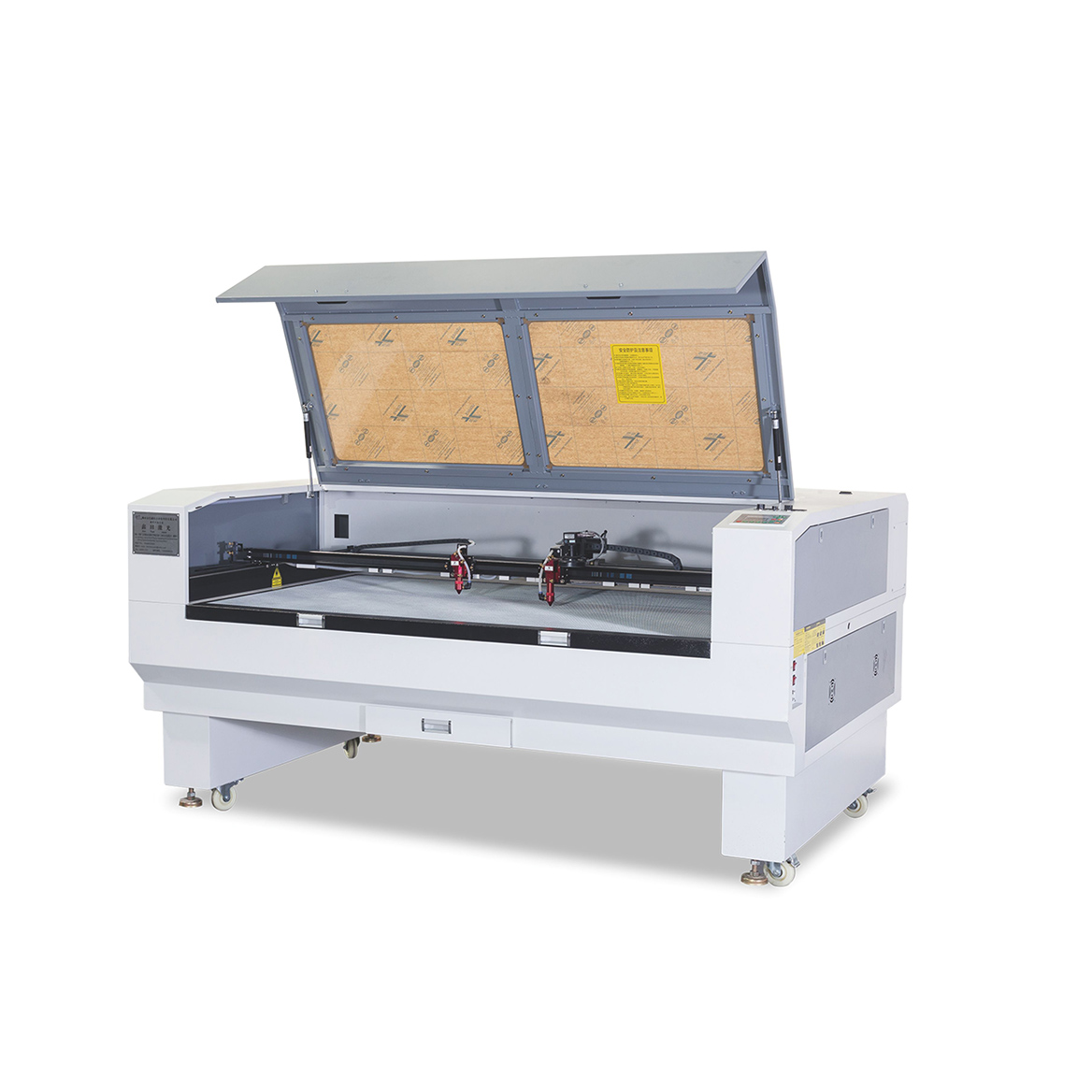
Max Capacity ≠ Optimal Efficiency: Pushing machines to their advertised limits (like maximum layer thickness) often degrades cut quality and forces slower running speeds, canceling out productivity gains.
Software is the True Bottleneck: Up to 70% of integration friction comes from proprietary software that fails to sync seamlessly with existing CAD/CAM systems or ERPs.
Material Handling Trumps Cutting Speed: Without precision tension control and proper blade selection, high-speed cutting causes material shift, fraying, or melting—especially in a fabric cutting machine handling synthetics or complex composites.
Vendors aggressively market physical maximums on their spec sheets. They frequently highlight cutting heads powering through exceptionally thick material blocks. However, operating continuously at maximum layer depth severely stresses your drive system. You push servo motors beyond their optimal performance zones. Friction spikes rapidly inside the material stack. Blade deflection becomes unavoidable under this extreme physical resistance. Eventually, operators must force significant speed reductions just to complete the cycle. This forced slowdown directly negates the core benefits of bulk cutting. Smart manufacturers maintain a safety margin of 10% to 20% below absolute maximum thickness limits. They achieve better overall throughput by running slightly thinner spreads at maximum optimal speed.
Dull blades cause uneven cuts across your entire production run. Micro-deviations in blade alignment ruin dimensional precision. You will notice this mostly on the bottom plies of a deep spread. Material drags and warps instead of separating cleanly. Evaluating a reliable Automatic Cutting Machine requires looking past basic speed metrics. Procurement teams must examine the cutting head architecture closely. Standardizing your hardware expectations prevents long-term quality degradation.
Look for systems featuring automated blade sharpening modules.
Demand intelligent wear sensors to alert operators before quality drops.
Prioritize heavy-duty gantry designs to minimize high-speed vibration.
Request active yaw control to keep blades perfectly perpendicular around corners.
Comparing "empty running speed" between competing machines remains a deeply flawed metric. An unburdened cutting head moving rapidly through the air tells you nothing about actual factory output. True production cycles operate differently. They must account for daily setup time and material roll changes. They must factor in routine maintenance intervals and vacuum sealing delays. A machine boasting the fastest theoretical speed often loses to a slower, more reliable unit. Reliable units require fewer manual interventions. They streamline offloading procedures. They minimize errors requiring recuts. Always measure output by finished parts per shift, never by maximum cutting velocity.
Feeding slips ruin dimensional accuracy instantly. Pliable materials remain under continuous tension during processing. Roller wear degrades grip strength over time. Inadequate vacuum hold-down causes material shifting mid-cut. This proves particularly critical when operating a high-speed Fabric Cutting Machine. You cannot afford tension loss when cutting stretchy synthetics or delicate silks. If the vacuum pressure fluctuates, the bottom layers warp while the top layers remain flat. The resulting pattern pieces will not match during final assembly. Investing in intelligent vacuum zoning solves this specific issue. Zoning concentrates holding power exactly where the cutting head operates.
Friction from rapid blade oscillation generates immense heat. This heat easily melts synthetic materials. Industrial textiles, heavy-duty velcro, and nylon blends fuse together along cut lines. Assessing thermal thresholds is mandatory for composite manufacturers. Determine whether your prospective machine offers dynamic cutting speeds. Variable blade pressure helps mitigate excess friction on sharp curves. Active cooling systems protect delicate synthetics from irreversible thermal damage. Some advanced machines utilize air-cooling vortex tubes directly aimed at the blade shaft. These features prevent molten material from adhering to the blade and destroying subsequent cuts.
Ambient factory conditions impact cutting performance heavily. Specialized materials react poorly to fluctuating climates. Paperboard and natural fibers absorb ambient humidity rapidly. Increased moisture content causes ragged edges and frequent jamming. Conversely, extremely dry environments generate static electricity. Static causes cut pieces to cling to the conveyor belt. Dust accumulation triggers frequent sensor misreads. You must strictly control your facility environment. Install industrial humidifiers or dehumidifiers to maintain optimal material conditions.
Material Troubleshooting Matrix
Symptom | Probable Cause | Corrective Action |
|---|---|---|
Fused Edges / Melting | Excessive blade oscillation speed generating heat. | Reduce oscillation RPM; activate blade cooling systems. |
Bottom Plies Shifting | Inadequate vacuum pressure or worn bristle blocks. | Increase vacuum intensity; replace damaged cutting underlay. |
Frayed Fiber Ends | Dull blade or incorrect sharpening angle. | Trigger auto-sharpening cycle; adjust sharpening stone pressure. |
Sensor Jamming | Static buildup or excessive material dust. | Install anti-static bars; increase regular maintenance cleaning. |
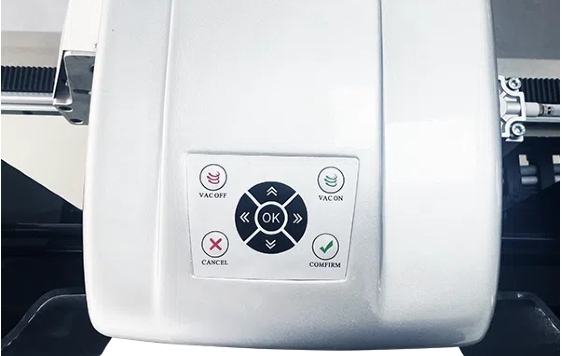
Procuring advanced hardware without auditing software compatibility invites operational disaster. You end up relying on tedious manual workarounds. Legacy control systems frequently struggle to communicate. They process complex vector geometries poorly. Data loss occurs during standard file translation. Curves become jagged lines. Pattern notches disappear entirely. Bridging the CAD/CAM integration gap eliminates these dangerous translation errors. Insist on native file format support. Your cutting machine software must read standard DXF, PDF, or proprietary pattern files directly. It must map layers flawlessly without requiring third-party conversion tools.
An automatic cutter performs only as well as its digital instructions. We call these instructions the marker. Inefficient nesting software directly inflates material waste percentages. A simple 2% increase in fabric waste drastically impacts your ROI timeline. Poor marker scripting costs large factories thousands of dollars annually. It forces the blade to travel unnecessary distances. Empty travel time reduces overall machine utilization. Advanced nesting algorithms analyze pattern shapes automatically. They rotate pieces to maximize yield while respecting grain line constraints. Investing in premium nesting software pays for itself rapidly through pure material savings.
Software instability halts production just as effectively as a broken motor. Control panels freeze during critical intricate operations. Firmware bugs distort toolpaths unpredictably. Machines occasionally lose crucial calibration data during simple power cycles. You cannot afford to recalibrate your entire gantry every morning. Prioritize vendors offering seamless over-the-air (OTA) updates. Open-API architecture ensures future compatibility alongside your enterprise software. Robust remote diagnostic capabilities allow support engineers to fix software bugs instantly. They can access the machine logs remotely, identify the exact error code, and deploy a patch without dispatching a technician.
Never base a major capital purchase on an isolated specification sheet. You must define success by your actual operational workflow. Require vendors to run custom time-studies during the evaluation phase. Use your specific, everyday materials for these tests. Provide your actual complex CAD files. Stop relying on standardized vendor demo materials. A flawless demo on rigid cardboard tells you nothing about cutting stretchy lycra or ballistic kevlar. Require the vendor to demonstrate the entire cycle. Watch them load the material. Observe the file import process. Time the actual cut. Inspect the final offloaded pieces for precise dimensional accuracy.
Submit your most complex pattern file for testing.
Ship your most difficult-to-cut material directly to their demo center.
Request a video recording of the entire uninterrupted process.
Measure the pieces against your original CAD dimensions.
Excellent hardware requires an equally robust service ecosystem. Evaluate guaranteed SLA (Service Level Agreement) response times rigorously. Check their actual spare parts availability. Local warehousing beats overseas shipping every time. A minor broken sensor can halt your entire facility if the replacement part sits in customs for two weeks. Assess their remote technical support capabilities. Can their engineers log into your machine securely? Can they diagnose motor faults without visiting your site? A fast remote response prevents missed delivery deadlines and maintains your client relationships.
Calculating true Total Cost of Ownership requires broad financial visibility. Factor in all anticipated consumable costs over a five-year period. Blades wear out constantly and require regular replacement. Vacuum plastic films tear and degrade. Bristle blocks and cutting underlays need periodic resurfacing. Calculate your projected energy consumption. High-capacity vacuum blowers draw massive amounts of industrial electricity. Include the financial positive impact of reduced material waste. Advanced nesting software pays for itself rapidly through pure material savings. Build a realistic ROI model based on these complete, transparent costs rather than just the initial sticker price.
The most common problems with automatic cutting machines stem from a fundamental mismatch between production realities and machine capabilities. You introduce severe bottlenecks through software silos, material handling limitations, or neglected preventative maintenance. Buying a machine simply because it claims the fastest theoretical speed guarantees long-term disappointment. You must align hardware features with your specific fabrics and digital workflows.
Treating the procurement process as a comprehensive software and workflow integration project is crucial. It is never just a simple hardware purchase. You are integrating a digital brain into your physical factory floor. Evaluating vendors based on proactive service ecosystems and API openness is the most effective way to safeguard your investment.
A: Blade replacement cycles depend heavily on material density and ply height. Cutting rigid composites dulls blades significantly faster than cutting cotton. Machines featuring automated sharpening systems extend blade life dramatically, but they shrink the blade width over time. You should treat blades as an ongoing operational cost, typically requiring replacement every few weeks under continuous, heavy industrial usage.
A: Precision loss usually stems from three main culprits. First, software calibration may be misaligned, causing toolpath distortion. Second, dull blades deflect when navigating tight corners instead of pivoting smoothly. Third, improper vacuum pressure fails to hold the material securely during rapid directional changes. Always check your vacuum seals and trigger an auto-sharpen cycle first.
A: Maximum speed is merely a theoretical metric of the cutting head moving through empty space. True productivity measures your actual factory output. It includes the time required for machine setup, digital file translation, nesting efficiency, material roll changes, and manual offloading. A slower machine with highly efficient automated offloading often achieves higher true productivity.
A: Yes, but it depends entirely on the vendor’s software ecosystem. Modern machines utilize open-API architectures designed to communicate with leading ERP and PLM systems. Legacy machines or proprietary closed-loop software often block seamless data transfer. You must scope software integration requirements and verify native file compatibility before finalizing any equipment purchase.


