


Views: 0 Author: Site Editor Publish Time: 2025-10-16 Origin: Site


In the garment manufacturing process, precision and efficiency are paramount, and a fabric spreading machine plays a critical role in achieving both. A fabric spreading machine is a specialized piece of equipment designed to lay fabric evenly across a cutting table, ensuring that each layer is aligned perfectly for the next phase of production—cutting. This is essential for creating high-quality garments that meet the required standards of precision and consistency.
Fabric spreading is especially important in mass garment manufacturing, where large quantities of fabric need to be processed quickly and with minimal errors. In such settings, the need for consistent fabric alignment becomes even more crucial, as even slight misalignments can lead to cutting errors, fabric waste, and, ultimately, reduced production efficiency.
The Automatic Knit Woven Spreader Machine is an advanced, specialized solution for today’s textile operations. Unlike traditional fabric spreaders, this machine is engineered to handle both knitted and woven fabrics, which often require different tension control and handling techniques. By automating the fabric spreading process, this machine boosts productivity, ensures high precision, and reduces manual labor—key factors for optimizing large-scale garment production.
A fabric spreading machine is designed to lay fabric out in a uniform and controlled manner on a cutting table. It automates the process of unrolling, aligning, and smoothing fabric, ensuring that the material is spread evenly without wrinkles or distortions. This is essential for preparing the fabric for the next steps in garment manufacturing, such as cutting and sewing.
In garment production, fabric spreading is a critical first step. The accuracy with which fabric is spread on the cutting table directly affects the efficiency of subsequent processes. A well-spread fabric lays the foundation for precise cutting, which is vital for ensuring that patterns are accurately followed, and waste is minimized.
Key Goal: The primary aim of fabric spreading is to ensure that the fabric is properly aligned and free from wrinkles or tension that could distort the cutting process. This precision reduces errors, resulting in fewer defective garments.
Impact on Garment Quality: By spreading fabric uniformly, the machine optimizes the use of material, reducing waste. This is especially important in large-scale operations where every inch of fabric counts. Additionally, it helps in maximizing fabric yield, contributing to higher quality and cost-effective production.
The Automatic Knit Woven Spreader Machine excels in this regard, as it adapts to both knitted and woven fabrics, offering tailored solutions to handle various fabric types with precision and care.
Fabric spreading is vital for efficient garment production. Automated systems, like the Automatic Knit Woven Spreader Machine, reduce the time and labor involved in the process, ensuring faster and more accurate fabric handling.
Precise Cuts and Fewer Errors: Automation ensures consistent tension and alignment, minimizing errors like misalignment or uneven tension that can lead to defective products.
Reduced Material Waste: Automated spreading ensures fabric is aligned properly, reducing overlap and wrinkles. This optimizes fabric usage, especially for high-cost or limited materials, and works efficiently with both knitted and woven fabrics, ensuring minimal waste.
Accurate fabric spreading directly impacts both the cutting and sewing stages of garment production.
Wrinkle-Free, Well-Aligned Fabric for Cutting: Proper spreading ensures the fabric is smooth and aligned, crucial for precise pattern cutting. The Automatic Knit Woven Spreader Machine handles fabrics like knits and wovens, which are prone to stretching and distortion, ensuring optimal alignment.
Reducing Defects in Sewing: Even fabric spreading prevents issues like puckering or shifting during sewing. With consistent layers, defects are minimized, resulting in higher-quality stitching and less waste, leading to a smoother production process.
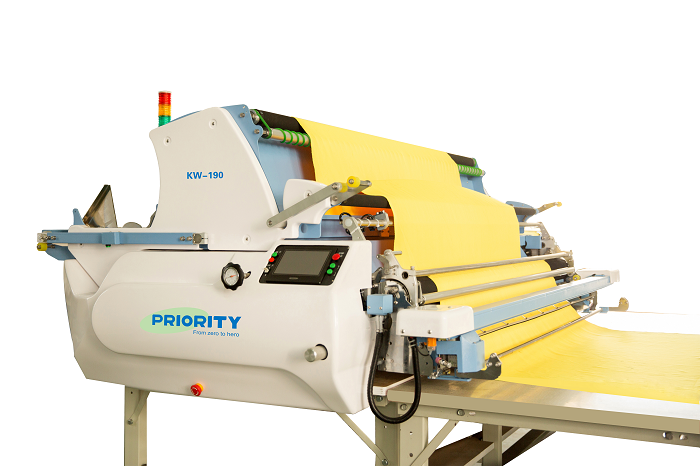
Fabric spreading systems are essential for efficient garment production, offering different solutions depending on the scale of operations and fabric types. Here, we compare manual and automated fabric spreading systems and highlight the benefits of the Automatic Knit Woven Spreader Machine.
Manual Fabric Spreading Systems
How It Works: Manual systems require operators to lay fabric out by hand, smoothing and aligning each layer.
Pros:
Low Initial Cost: Affordable for small-scale operations.
Simple Operation: Easy to use with minimal training.
Flexibility: Suitable for different fabric types and sizes.
Cons:
Labor-Intensive: Requires significant manual effort, leading to slower production.
Risk of Errors: Higher potential for misalignment, wrinkles, and inconsistent tension.
Slower Speed: Less suitable for large-scale production.
Automated Fabric Spreading Systems
How It Works: Automated systems use technology to spread fabric evenly and quickly with minimal human intervention.
Pros:
Speed and Efficiency: Faster fabric spreading, reducing production time.
Precision: Ensures uniform layers with less human error.
Consistency: Automated systems maintain consistent quality across all production batches.
Reduced Labor Costs: Less manual labor needed, lowering long-term operational costs.
Cons:
Higher Initial Cost: Significant upfront investment required.
Maintenance: Regular servicing is necessary to maintain efficiency.
Overview
The Automatic Knit Woven Spreader Machine is designed to handle both knitted and woven fabrics, addressing the unique challenges of each type, such as fabric stretch and weave structure.
Key Features:
Tension Control: The machine adapts tension settings to prevent stretching or distortion of fabrics like knit or woven.
Fabric Adaptability: Capable of handling a wide range of fabric types, including delicate knits and durable woven materials.
Increased Speed: Automates the process, improving speed and reducing manual intervention.
Reduced Waste: Even spreading minimizes fabric waste, optimizing material use.
Why It's Ideal
Perfect for manufacturers dealing with various fabric types, the Automatic Knit Woven Spreader Machine ensures high-quality fabric handling, improving both production efficiency and material utilization.
The Automatic Knit Woven Spreader Machine is designed to enhance fabric spreading in garment manufacturing, especially for both knitted and woven fabrics. Here are its key features and benefits:
Feature: Automatically unrolls and aligns fabric on the cutting table.
Benefit: Speeds up fabric spreading, reduces errors, and cuts labor costs by minimizing manual handling.
Feature: Handles a wide range of fabrics, from delicate knits (cotton, spandex) to heavier wovens (denim, polyester).
Benefit: Ensures consistent spreading, reducing fabric damage or misalignment across different materials.
Feature: Built-in tension control maintains consistent fabric tension.
Benefit: Prevents distortion in knit fabrics and ensures smooth, accurate spreading for higher-quality cuts and fewer defects.
Feature: Faster spread rates compared to manual systems.
Benefit: Boosts production capacity, reduces bottlenecks, and allows manufacturers to meet deadlines more efficiently.
Feature: Higher initial investment, but reduced labor and material costs.
Benefit: Increased fabric utilization, lower waste, and long-term savings make it a cost-effective choice with high ROI.
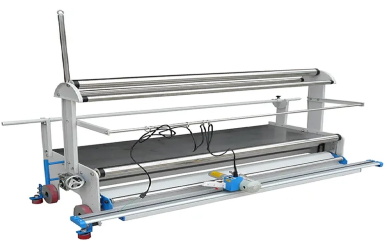
The Automatic Knit Woven Spreader Machine offers several key benefits, especially for manufacturers working with diverse fabrics:
Feature: Designed to handle both knitted and woven fabrics with precision, ensuring proper tension for each.
Benefit: Prevents fabric stretching or distortion, resulting in accurate cuts and higher-quality garments.
Feature: Automates the fabric spreading process, reducing manual labor and errors.
Benefit: Speeds up production, streamlines workflows, and increases overall efficiency.
Feature: Spreads fabric evenly without wrinkles or overlap.
Benefit: Minimizes waste, especially with expensive fabrics, improving material utilization.
Feature: Programmable to handle various fabric types and adjustable to production needs.
Benefit: Offers versatility for different materials and manufacturing requirements, enhancing flexibility.
The Automatic Knit Woven Spreader Machine is specifically designed to handle both knitted fabrics and woven fabrics, offering tension control and fabric handling precision suitable for these delicate and varied materials.
Yes, it is highly versatile, capable of handling a wide variety of fabric types, including stretch fabrics, heavy denims, and lightweight knits, all with optimal precision.
While it requires a higher initial investment, it is most beneficial for medium to large-scale operations that work with diverse fabric types. Small-scale manufacturers might benefit from more affordable, less automated systems unless they are handling high-value fabrics.
The machine’s precise tension control and automatic alignment features minimize fabric stretching, ensuring that the fabric is used efficiently with minimal wastage.
In conclusion, fabric spreading machines are a fundamental part of garment manufacturing, ensuring that fabric is prepared accurately and efficiently for the cutting and sewing stages. The Automatic Knit Woven Spreader Machine, with its advanced features, provides a specialized solution for handling both knitted and woven fabrics with precision, improving production efficiency and reducing waste.
For more details or to explore how these machines can enhance your garment manufacturing process, contact us today or visit our website!


