


Views: 0 Author: Site Editor Publish Time: 2025-10-27 Origin: Site


An automatic spreading machine is a sophisticated piece of equipment used in the garment and textile industries to automatically spread fabric onto a cutting table. Unlike traditional methods where workers manually lay down fabric, this machine uses advanced technology to efficiently spread the fabric layer by layer, ensuring that each layer is uniformly placed without wrinkles or distortions.
The importance of these machines in modern manufacturing cannot be overstated. As the garment industry evolves and production demands increase, the need for precision, speed, and efficiency in fabric preparation has become critical. Automatic spreading machines offer a solution by automating the fabric spreading process, which previously relied on manual labor. This shift not only reduces human error but also enhances the speed of operations. By ensuring consistent fabric alignment and tension control, these machines help optimize material usage, significantly reducing fabric waste. This combination of accuracy, efficiency, and waste reduction makes automatic spreading machines a crucial tool for businesses looking to stay competitive in today’s fast-paced textile manufacturing environment.
An automatic spreading machine efficiently spreads fabric onto a cutting table, ensuring precision and reducing waste. Here's a breakdown of the process:
The process starts with large rolls of fabric, which are unwound and automatically fed into the machine. The fabric is then aligned and pulled into position across the spreading table, ready for the next steps. This automatic feeding reduces the need for manual handling and helps prevent wrinkles or misalignment during loading.
Once loaded, the machine begins spreading the fabric evenly, layer by layer, across the table. It uses rollers and motorized systems to distribute the fabric smoothly, ensuring a uniform spread. The machine’s speed and tension are carefully controlled to maintain consistency, preventing fabric shifting or bunching. This process can be adjusted based on fabric type, thickness, and stretch properties.
A crucial feature of the machine is its ability to maintain constant tension across the fabric as it is spread. Sensors monitor the fabric’s tension and alignment in real-time, making automatic adjustments if needed. This ensures that the fabric remains flat and wrinkle-free, which is essential for precise cutting and high-quality garment production.
The seamless integration between automatic spreading machines and cutting systems is essential for maximizing efficiency and ensuring precision in the garment manufacturing process. Here’s how the two systems work together:
Once the automatic spreading machine has laid the fabric evenly on the cutting table, it prepares the fabric for the next stage: cutting. At this point, the spreading machine is synchronized with the cutting system, often using advanced control software or communication protocols. This synchronization ensures that the fabric is spread in the exact position needed for the cutting process.
Automatic spreading machines can be equipped with sensors that detect the fabric’s position on the table, ensuring it is perfectly aligned for the cutting machine. This ensures that once the fabric is spread, it is automatically fed into the cutting system without any additional handling, saving time and reducing the risk of human error.
The integration between the two systems also ensures that the fabric flows continuously and smoothly between the spreading and cutting stages. The spreading machine does not stop once the fabric is spread; it works in sync with the cutting machine to ensure a constant, uninterrupted flow of fabric. This eliminates any delays between the fabric preparation and cutting processes, increasing overall production efficiency.
By being in sync with cutting systems, automatic spreading machines can precisely position the fabric for each cut, reducing the chances of fabric wastage. With accurate fabric placement, the cutting machine can optimize the layout of patterns and minimize fabric scrap. Additionally, precise spreading ensures that fabric is not stretched or pulled incorrectly, further reducing the potential for errors in the cutting stage.
Synchronization with the cutting system minimizes human intervention and reduces the risk of mistakes such as misalignment or fabric tension issues. Since the spreading and cutting machines are working in harmony, any discrepancies in the fabric’s positioning or alignment can be quickly identified and corrected in real-time. This level of precision is key to maintaining consistent quality throughout the production process.
By integrating with cutting systems, the automatic spreading machine enhances overall production flow. The smooth handoff between spreading and cutting stages ensures that production is continuous and efficient. This integration supports high-speed production environments, where quick turnaround times and minimal downtime are crucial. Additionally, automated communication between the systems allows for easy adjustments to accommodate various fabric types or production requirements.
Automatic spreading machines significantly cut down the time it takes to spread fabric compared to traditional manual methods. While manual spreading can be a slow and tedious task, often taking several minutes per layer, automatic machines can spread multiple layers of fabric in a fraction of the time. This improvement leads to a faster overall production cycle, enabling manufacturers to meet high-volume demands. On average, automatic spreading machines can speed up the fabric spreading process by up to 50-70%, depending on the fabric type and machine specifications.
By automating the fabric spreading process, these machines reduce the need for multiple operators or workers handling fabric. Manual labor often results in slower workflows due to the time it takes to reposition fabric and ensure even spreading. With automatic machines, the fabric is loaded and spread with minimal human intervention, allowing manufacturers to reallocate labor to other critical production areas, further boosting overall efficiency.
Automatic spreading systems help eliminate common human errors that occur during manual spreading, such as fabric misalignment, wrinkles, and uneven tension. Such issues can slow down production, cause fabric waste, and even result in quality issues. By maintaining precise tension and alignment throughout the spreading process, automatic machines ensure that the fabric is ready for cutting without the delays caused by fabric imperfections. This level of consistency results in fewer fabric reworks, improving production efficiency and reducing material waste by up to 20-30%.
With automated precision in fabric placement, the spreading machine can ensure that the fabric is laid out with maximum efficiency, reducing unused material or misaligned cuts. By controlling fabric flow and tension, the machine minimizes waste and improves fabric yield. This enhanced fabric utilization is especially beneficial when working with expensive or limited-edition fabrics, where saving even a small amount of material can significantly reduce costs. In some cases, fabric waste can be reduced by up to 10-15% compared to manual spreading methods.
Automatic spreading machines can be synchronized with other production systems, such as cutting machines, which results in a seamless and continuous workflow. This reduces downtime between spreading and cutting, ensuring that fabric is consistently available for the next stage of production. Manufacturers can expect to see a smoother, more streamlined production cycle with higher throughput, significantly improving efficiency in high-volume environments.
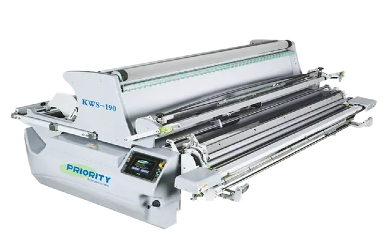
The main purpose of an automatic spreading machine is to efficiently and accurately lay fabric onto a cutting table before it is cut into garment pieces. This process is crucial for ensuring the fabric is spread evenly, reducing waste, and maintaining consistent fabric alignment.
Yes, automatic spreading machines are versatile and can be used with a variety of fabric types, including cotton, polyester, silk, and denim. The machine can be adjusted for different fabric thicknesses and textures, ensuring optimal spreading for each type.
Automatic spreading machines are equipped with sensors and control systems that monitor the fabric during the spreading process. If the fabric begins to wrinkle, shift, or become misaligned, the machine will adjust the tension or reposition the fabric to correct the issue and ensure even spreading.
While the machine automates much of the fabric spreading process, operators are still required to monitor the machine, load fabric rolls, and ensure the machine is functioning properly. However, operator involvement is minimal compared to manual methods.
Automatic spreading machines require regular maintenance to ensure their efficiency. This includes cleaning the rollers, checking the tensioning system, calibrating sensors, and ensuring the mechanical components are in good working condition. Proper maintenance helps prevent breakdowns and extends the machine’s lifespan.
In conclusion, the future of automatic spreading machines is set to revolutionize the garment manufacturing process. Integration with AI will enhance fabric quality control and predictive maintenance, while advanced sensors will offer greater adaptability to a wider range of fabric types. Energy efficiency and IoT connectivity will make these machines more sustainable and interconnected, optimizing the entire production line. Moreover, the shift towards small-batch production will drive increased flexibility, enabling manufacturers to meet the demands of customization. These advancements promise to improve efficiency, reduce waste, and position the garment industry for future success.


