


Views: 0 Author: Site Editor Publish Time: 2026-02-27 Origin: Site


A Cutting Table is one of the most essential pieces of equipment in any textile or garment manufacturing facility. The height of the cutting table plays a crucial role in ensuring the accuracy of the cutting process, the comfort of the operator, and the overall efficiency of production. While the quality of the cutting machine and tools is important, the height of the cutting table is often overlooked. However, a well-adjusted cutting table height can have a profound impact on the quality of work and the health of the workers.
In this article, we will explore how the height of a Cutting Table affects both the cutting process and the well-being of operators. We will also provide guidelines on selecting the optimal height for your cutting table to enhance productivity and ensure ergonomic comfort.
The height of a Cutting Table directly affects the ergonomics of the workspace. Ergonomics refers to the study of designing workspaces that fit the worker's needs and comfort. When the cutting table is at the right height, it reduces the strain on the operator’s back, neck, shoulders, and wrists.
If the table is too low, the operator may need to bend over continuously, leading to back and neck pain. Conversely, if the table is too high, the operator may be forced to lift their arms in an unnatural position, which can cause shoulder and wrist injuries.
In addition to comfort, a well-adjusted height also enhances efficiency. Workers can operate faster and more accurately when they are comfortable, reducing the likelihood of errors or accidents.
The cutting process requires a high level of precision to avoid fabric wastage and ensure the pieces fit the intended design. The height of the cutting table plays a critical role in the operator's ability to perform accurate cuts. If the table is too high or too low, the operator may struggle to see the fabric clearly or handle the tools effectively, leading to inaccurate cuts.
The optimal cutting table height allows the operator to maintain a proper angle and view of the fabric, leading to more precise cuts and better quality products.
One of the most important factors in determining the right height for a Cutting Table is the height and posture of the operator. Ideally, the operator should be able to stand comfortably with their arms bent at a 90-degree angle while working. This helps to minimize muscle strain and fatigue.
For a taller person, the cutting table may need to be higher to ensure that the operator does not bend over, which can lead to back pain. On the other hand, a shorter person may need a table that can be adjusted lower to avoid reaching up and straining their shoulders and wrists.
The type of work being performed on the Cutting Table can also influence the ideal height. If the cutting table is being used for large rolls of fabric or for complex garment patterns, a slightly higher table may be beneficial. This allows the operator to work on the fabric without having to stoop down. However, for smaller pieces or precision work, a lower table may provide better control and accuracy.
The type of cutting tools being used (e.g., rotary cutters, manual scissors) may also impact the required height. Tools that require precise control may necessitate a lower or more adjustable table to maintain a steady hand.
For facilities where the cutting table is used frequently or for extended periods of time, height adjustment becomes even more important. A table that can be adjusted to different heights will allow multiple operators of varying statures to work without discomfort. Adjustable height tables can also help to reduce the physical strain that comes with long working hours, contributing to overall worker well-being and productivity.
The layout of the workspace should also be considered when determining the cutting table height. If the table is placed in a cramped or narrow space, adjusting the height can help optimize comfort and accessibility. The table should be positioned in such a way that allows the operator to move freely and comfortably while maintaining an ergonomic posture.
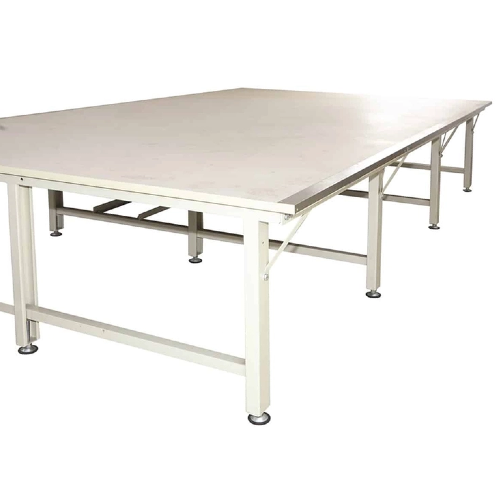
The recommended height for a Cutting Table generally falls within a specific range that accommodates most operators and tasks. However, the optimal height depends on the ergonomic requirements and the nature of the cutting work. The table height should allow the operator to stand comfortably while performing the cutting tasks, with the arms bent at a 90-degree angle.
Table Height (in inches) | Description | Suitable for |
30 to 34 inches | Standard height for most operators. | General use, light to medium tasks. |
34 to 38 inches | Ideal for taller individuals or those who prefer standing while working. | Larger fabric pieces, frequent use. |
Adjustable (up to 40 inches) | For flexible environments or multiple users. | Facilities with varying operator heights. |
These height ranges are suitable for most cutting tasks, ensuring that the operator can comfortably work without causing strain or discomfort. For larger production environments or for tasks that involve heavy-duty materials, a higher range of 34-38 inches may be preferred.
Adjustable height Cutting Tables provide the flexibility to tailor the table height according to the operator’s needs. These tables can be adjusted manually or electronically to suit operators of varying heights and different work tasks. The versatility of adjustable cutting tables makes them an ideal choice for environments where multiple operators use the same equipment.
By investing in adjustable height tables, businesses can optimize workflow and ensure comfort for all workers, leading to increased productivity and reduced risk of injuries.
Setting the right height for your Cutting Table is a straightforward process. If you are using a manual table, you can adjust the height by loosening screws or bolts and repositioning the table to the desired height. For electronically adjustable tables, simply press the button to raise or lower the table.
Follow these steps to adjust the cutting table height for optimal ergonomics:
Determine the Operator’s Ideal Height: Measure the operator’s height and standing posture to ensure the table is at the correct level for them.
Adjust the Table to the Correct Height: Use a height adjustment mechanism to set the table at the appropriate level for comfortable working conditions.
Test for Comfort: Have the operator perform a few test cuts to ensure the table height feels natural and comfortable. The arms should be at a 90-degree angle and the back should be straight.
For tables with adjustable height, tools may include manual cranks, electric motors, or hydraulic lifts, depending on the model. Ensure that all tools and adjustment mechanisms are functioning correctly to avoid any mechanical issues.
In conclusion, the height of a Cutting Table is essential for ensuring an efficient, accurate, and comfortable cutting process. By selecting the right height for your cutting table, you can enhance the ergonomics of your workspace, reduce operator fatigue, and improve cutting precision. Adjustable height cutting tables offer flexibility, accommodating various operators and tasks, making them a valuable investment in textile and garment production environments.
At Suzhou Yunwen Imp.&Exp. Trading Co., Ltd., we offer high-quality cutting tables designed to meet the diverse needs of your production process. Our tables are built to improve both productivity and worker well-being. By following the guidance in this article, you can optimize your cutting table setup for maximum efficiency. For more information on how our cutting tables can enhance your operations, feel free to reach out to our team. We are ready to assist you in choosing the best solution tailored to your specific needs.
To determine the ideal cutting table height, you should consider the height of the operator and their preferred working posture. The table should allow the operator to keep their arms at a 90-degree angle while standing comfortably. Additionally, the type of fabric and cutting tools used can influence the ideal height.
Yes, adjustable height cutting tables are available and provide flexibility for users of different heights. These tables can be manually or electrically adjusted to accommodate various tasks and operators, ensuring comfort and efficiency.
The standard height for most cutting tables ranges from 30 to 34 inches, but it can go up to 38 inches for taller operators. Adjustable height models can accommodate a broader range of heights and tasks, ensuring ergonomic comfort for all users.
To maintain the height adjustment mechanism, regularly check the locking mechanisms, screws, or motors for wear and tear. If the table is manually adjustable, ensure that the adjustment bolts are tightened properly. For electric models, check the wiring and motor functionality to prevent malfunctions.
Yes, the right height can significantly improve efficiency. Comfortable operators work faster and with fewer errors. By ensuring the cutting table is set at the right height, you can reduce fatigue, minimize mistakes, and boost overall productivity in your workplace.


