


Views: 0 Author: Site Editor Publish Time: 2026-02-26 Origin: Site


A Cutting Table is an essential piece of equipment in the textile, garment, and fashion industry. It provides a stable, flat surface where fabrics can be spread out and accurately cut into the desired shape and size. The cutting process, which requires high precision, is crucial for producing high-quality products. The use of a cutting table enhances the efficiency of the cutting procedure, reduces fabric waste, and ensures uniformity in measurements.
In this article, we will guide you through the proper setup, usage, and maintenance of a Cutting Table, ensuring you get the most out of this essential tool in your production process.
A Cutting Table is a large, flat surface used for cutting textiles and other materials into specific shapes and sizes. It can either be manual or automated, and is typically used in garment manufacturing, textile industries, and even by hobbyists in DIY crafting. The purpose of a cutting table is to provide a stable surface for fabric, ensuring that it remains flat while being cut.
In garment production, a cutting table is a fundamental piece of equipment for cutting fabric pieces according to patterns, ensuring accuracy, and minimizing material wastage.
When considering a Cutting Table, it’s essential to know the features that make it effective in its purpose. Below are some of the primary features:
Feature | Description |
Flat Surface | The table's surface should be completely flat to ensure the fabric lays evenly without distortions. |
Ergonomic Design | Height-adjustable tables help operators maintain comfort, reducing fatigue during extended working hours. |
Modular Configuration | Some cutting tables can be customized to fit the specific space and layout of a workspace, allowing better flexibility in operations. |
Material Durability | Cutting tables are typically made from durable materials like steel or aluminum, ensuring long-lasting performance under heavy usage. |
Storage Features | Many cutting tables have built-in drawers or shelves to store tools and supplies, keeping the workspace organized. |
A Cutting Table with these key features will ensure smooth operation, reduce errors, and improve production efficiency.
When selecting a Cutting Table, it is important to consider factors like workspace size, cutting capacity, and specific production needs. There are different types of cutting tables designed for various industries, from small-scale to large-scale manufacturing. Some key considerations include:
Size of the table: Depending on the size of the fabric being worked with, the table should be large enough to accommodate the material. Tables range from small, tabletop versions to large, industrial cutting tables.
Material: Cutting tables should be made of materials that are durable and easy to clean. Common materials include steel, wood, and composite materials.
Customizability: If your workspace has unique requirements, look for tables that are customizable in size and configuration.
Once you have selected the right Cutting Table, it’s crucial to prepare the table before use. Proper preparation ensures that the fabric is cut accurately and the process remains efficient.
Here are the steps to properly prepare your cutting table:
Clean the surface: Make sure the table surface is clean and free of any debris, dust, or fabric scraps. A clean surface ensures smooth cutting and prevents fabric damage.
Position the table correctly: Place the table in a well-lit, spacious area of your workspace. The table should be positioned at an ergonomic height to reduce strain on the user.
Check for stability: Ensure the table is stable and not wobbling. Any instability could lead to inaccurate cuts.
Organize tools and materials: Place all necessary cutting tools (scissors, rotary cutters, etc.) and fabric rolls within reach, ensuring a tidy and efficient workspace.
Proper setup is key to ensuring an organized and effective cutting process.
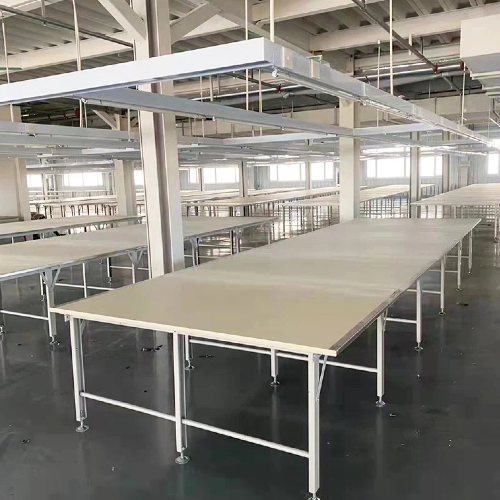
The cutting process on a Cutting Table involves several stages. Below is a step-by-step guide to using the cutting table for fabric cutting:
Before starting the cutting process, the fabric needs to be properly spread across the Cutting Table. The fabric should be laid flat and aligned, without any creases or wrinkles. Depending on the fabric's nature, you may need to use weights or pins to keep it in place.
To ensure an even cut, the fabric must be spread evenly across the table. Use fabric spreading tools or manually stretch the fabric to ensure it lays flat across the entire surface. Make sure there are no folds or overlaps that could distort the cutting pattern.
Next, align the cutting pattern on top of the fabric. This is the template or guide for cutting the fabric into specific shapes or sizes. Ensure the pattern is placed correctly and securely on the fabric to avoid any misalignment during cutting.
Using sharp scissors, rotary cutters, or automated cutting machines, start cutting along the edges of the pattern. It’s essential to follow the pattern accurately to ensure that the pieces are cut to the correct dimensions.
After the fabric pieces have been cut, double-check the dimensions and quality of the cuts. Ensure there are no jagged edges, and all pieces match the pattern specifications.
Smooth the fabric: Always ensure the fabric is as smooth as possible before cutting. Any wrinkles or folds could result in uneven cuts.
Use a rotary cutter: For precise, straight cuts, consider using a rotary cutter, which is designed to make clean, even cuts along straight lines.
Cut in sections: If the fabric is too large, break it into smaller sections to maintain better control over the cutting process.
By following these steps, you’ll be able to make precise cuts on your Cutting Table, resulting in high-quality fabric pieces for your production.
To extend the lifespan of your Cutting Table, it’s crucial to regularly clean and inspect the table. The cutting surface should be free from dust, fabric remnants, and any buildup that could affect its smoothness.
Surface Cleaning: Use a soft cloth and mild detergent to clean the table surface regularly. Avoid harsh chemicals that could damage the surface.
Inspect for damage: Check for any scratches, dents, or other damage that may occur over time, especially on the edges or cutting surface. Repair or replace any damaged parts promptly.
Ergonomics play a significant role in the comfort and efficiency of workers who use the Cutting Table. The height of the table should be adjustable to accommodate different workers. This ensures that operators can work comfortably and avoid strain on their bodies during long cutting sessions.
Adjustable Height: Many modern cutting tables feature height adjustments to cater to various operators. This feature allows workers to set the table to a height that promotes good posture and reduces fatigue.
Anti-fatigue Mats: Consider using anti-fatigue mats around the cutting area to reduce pressure on the feet and legs during extended working hours.
Maintaining an organized workspace around the Cutting Table is crucial for productivity. Use shelving, drawers, and cabinets to store cutting tools, measuring instruments, and fabric rolls. Keeping everything within easy reach will make the cutting process more efficient and help prevent errors.
Fabric Storage: Store fabric rolls neatly and ensure they are easy to access when needed. Proper fabric storage reduces material wastage and improves overall workflow.
Tool Organization: Have a designated area for cutting tools and measuring instruments to ensure they are always within arm's reach.
A Cutting Table is an essential tool for any textile or garment manufacturing facility, significantly improving both cutting accuracy and production efficiency. At Suzhou Yunwen Imp.&Exp. Trading Co., Ltd., we understand the importance of high-quality equipment in streamlining your production processes. Our cutting tables are designed with precision, durability, and ease of use in mind, ensuring a seamless workflow in your fabric cutting operations.
By choosing our cutting tables, you can expect reliable performance, ergonomic design, and easy maintenance that will contribute to the overall efficiency of your production line. Whether you’re looking to enhance your current setup or start fresh with new equipment, we offer a range of solutions tailored to your needs.
For more information on how our cutting tables can elevate your production process, feel free to contact us. Our team is ready to assist you in selecting the perfect equipment to match your specific requirements. Let us help you optimize your operations and boost your business’s productivity.
The size of a cutting table depends on the available workspace and the size of the fabric you work with. For smaller operations, a table that can accommodate up to 1.5 meters of fabric width may suffice, while larger operations may require tables that can support up to 3 meters or more in width.
Yes, a cutting table can be used for various types of fabrics, from lightweight cottons to heavy-duty textiles. However, for certain materials like leather or thick wool, additional tools such as rotary cutters or specialized blades may be required.
Regularly clean the table, inspect it for any damage, and ensure that it is level and stable. Adjust the height if needed to maintain ergonomic comfort for the operator. Use proper storage solutions to keep tools and fabric rolls organized.
Automated cutting tables provide higher precision and speed, reducing the chances of human error. They are ideal for large-scale production runs where speed and efficiency are critical.
To ensure accuracy, make sure the fabric is evenly spread, the cutting pattern is aligned correctly, and the cutting tools are sharp. Using a rotary cutter can also improve precision, especially when cutting straight lines.


