


Views: 0 Author: Site Editor Publish Time: 2025-06-02 Origin: Site


In today’s fast-paced and highly competitive garment industry, efficiency, precision, and consistency are critical. One of the most effective ways to improve these aspects of production is by using an automatic fabric cutting machine. This advanced piece of equipment has become a standard tool in modern garment factories, helping manufacturers streamline processes and meet rising market demands. Whether you're running a small garment workshop or a large-scale production facility, integrating automatic fabric cutting machines into your workflow can deliver substantial advantages.
This article explores the key benefits of using an automatic fabric cutting machine in garment production, with a focus on how it enhances productivity, accuracy, labor efficiency, and overall product quality.
One of the most important benefits of using an automatic fabric cutting machine is the high level of precision it offers. Manual cutting often results in slight variations from one piece to another, especially when cutting large quantities. This inconsistency can lead to sewing issues, size mismatches, and material wastage.
Automatic machines are programmed to follow exact digital patterns. They use software-guided blades or laser systems to ensure every cut is identical to the last. Whether you're cutting ten pieces or ten thousand, the result remains consistent. This level of precision reduces errors, improves fit, and ensures the finished garments meet high-quality standards.
Moreover, consistency is especially important in bulk production where garments need to match in shape, size, and appearance. The automatic machine eliminates human error, allowing manufacturers to produce large quantities with confidence.
Speed is another major advantage of using an automatic fabric cutting machine. Manual cutting, even by skilled workers, is time-consuming and physically demanding. It may take several minutes to lay out the fabric, trace the pattern, and cut each layer by hand.
An automatic cutter can perform these tasks in a fraction of the time. The machine spreads, aligns, and cuts the fabric much faster than any manual process, significantly reducing lead times. Many advanced systems can cut multiple layers simultaneously and complete complex patterns within minutes. This allows manufacturers to handle urgent orders, increase daily output, and shorten delivery times without sacrificing quality.
The result is a more streamlined production cycle where garment pieces move smoothly from cutting to assembly, helping companies meet deadlines and customer expectations.
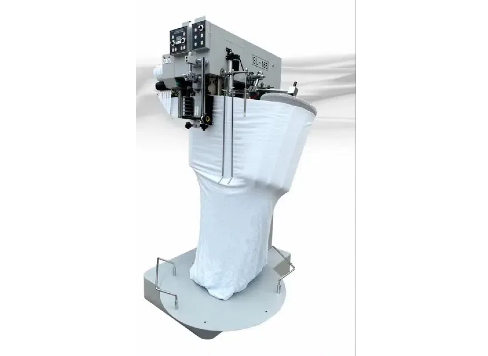
Fabric is one of the most expensive components in garment manufacturing. Reducing waste not only cuts costs but also contributes to more sustainable production practices. Manual cutting often results in more offcuts and wasted materials due to inaccuracies or inefficient pattern layout.
Automatic fabric cutting machines are equipped with nesting software that arranges pattern pieces in the most space-efficient layout. This optimization ensures that the maximum number of pieces are cut from the minimum amount of fabric, minimizing offcuts and material loss.
By maximizing fabric utilization, manufacturers can save significantly on material costs over time. It also aligns with eco-friendly business practices, which are increasingly important in today’s environmentally conscious marketplace.
Another clear benefit of automatic fabric cutting machines is the reduction in manual labor needed for cutting tasks. Traditional methods require skilled cutters to operate for long hours, and the physical nature of the job can lead to fatigue, errors, and even workplace injuries.
Automatic machines require fewer operators, and those who are involved can focus on machine setup, monitoring, and material handling rather than cutting each piece manually. This shift allows garment factories to redistribute labor to other areas such as stitching, quality control, or packaging.
In the long run, businesses can save on wages and reduce the costs associated with human error and absenteeism. Overall productivity increases as the same number of workers can produce more garments in less time.
Modern garment production involves a wide variety of fabrics, from lightweight chiffon to heavy denim and technical materials. An automatic fabric cutting machine is designed to handle a wide range of textile types with minimal adjustments.
Whether the production involves natural fibers, synthetics, or blended materials, the machine can adapt its cutting speed and pressure to suit the material's properties. In some cases, machines use laser technology, which can cut and seal the edges at the same time—particularly useful for materials that fray easily.
In addition to material versatility, these machines can handle complex and intricate designs. Detailed cuts, curves, and shapes that are difficult to replicate manually can be done easily with the machine’s software and high-precision cutting tools. This opens up possibilities for more creative and customized garment designs.
Most automatic fabric cutting machines are integrated with CAD (Computer-Aided Design) and CAM (Computer-Aided Manufacturing) systems. Designers can create garment patterns on a computer, simulate the cutting layout, and send the file directly to the cutting machine.
This integration saves time on manual drafting and tracing. It also ensures that the final output matches the digital design exactly. The seamless flow of data from design to cutting increases efficiency and accuracy, reduces mistakes, and enables rapid prototyping.
With the growing trend toward made-to-order or personalized garments, CAD/CAM integration allows manufacturers to quickly switch between different patterns and sizes, offering more flexibility to meet varied customer needs.
Safety is always a concern in industrial settings. Manual cutting tools such as shears and blades pose a risk of injury to operators, especially when handling heavy or layered materials.
Automatic fabric cutting machines improve workplace safety by reducing the need for direct contact with cutting tools. Operators are typically responsible for loading fabric and managing digital inputs, rather than performing the cutting action themselves. Many machines come equipped with safety sensors and emergency stop functions to prevent accidents.
Additionally, automatic cutting results in less dust, fewer loose threads, and a more organized workspace. This cleaner environment enhances both safety and productivity while reducing maintenance and cleanup time.
For manufacturers looking to scale up their operations, an automatic fabric cutting machine is a strategic investment. The machine’s repeatability, speed, and automation make it easier to forecast production outputs, manage large orders, and standardize workflows.
Production managers can plan better because the output of each machine is predictable and consistent. Batch processing becomes more efficient, and the ability to schedule jobs based on real-time data helps factories stay on track and meet delivery timelines.
This level of control and predictability is essential for companies that operate with tight deadlines, high volume orders, or frequent product changes.
While the initial investment in an automatic fabric cutting machine may seem high, the long-term cost savings are substantial. These savings come from several sources:
Reduced labor costs
Lower fabric waste
Faster turnaround times
Fewer product defects or rework
Increased output with fewer resources
Over time, these savings can far exceed the cost of the machine, especially for businesses that handle large or regular production runs. Moreover, with proper maintenance, these machines have a long service life and deliver consistent results year after year.
Finally, using advanced equipment like an automatic fabric cutting machine helps garment manufacturers stay competitive in a fast-moving industry. Customers today expect high quality, fast delivery, and customization options. Retailers and brands prefer to work with suppliers who can meet these demands reliably.
Having cutting-edge machinery signals to partners and clients that a company is committed to quality and efficiency. It opens doors to more contracts, long-term relationships, and opportunities to scale.
The introduction of automatic fabric cutting machines has completely transformed garment manufacturing. From increased cutting precision to faster turnaround times, reduced labor costs, and improved material utilization, the benefits are undeniable. These machines help garment producers meet the modern demands of the fashion and apparel market while improving profitability and operational efficiency.
As competition grows and customer expectations rise, investing in automatic cutting technology is not just an upgrade—it’s a necessity for future-ready garment production.
If you’re looking to boost productivity, reduce costs, and deliver top-quality garments consistently, an automatic fabric cutting machine may be the smartest addition to your production line.


