


Views: 0 Author: Site Editor Publish Time: 2026-04-20 Origin: Site


There comes a critical turning point for any scaling textile business or serious creator. Relying solely on manual scissors or basic rotary blades quickly becomes a major liability. Bottlenecks form on the cutting room floor. Operator fatigue sets in rapidly. Material waste eats directly into your hard-earned profit margins.
Acquiring a mechanized tool represents much more than a simple hardware upgrade. It stands as a vital strategic business decision. Standardizing production quality becomes significantly easier. You can seamlessly integrate physical cutting workflows directly into digital CAD patterns. Furthermore, you protect tight profit margins on increasingly expensive textiles.
Capability Baseline: A fabric cutting machine mechanizes the severing of textiles, ranging from single-layer digital craft cutters to multi-ply industrial straight knives.
Scalability: Upgrading to an automatic fabric cutting machine significantly reduces material waste through software-driven nesting (pattern optimization) and continuous conveying systems.
Adoption Reality: Proper selection requires matching the blade type (rotary, straight, or die) to material characteristics (e.g., lightweight cotton vs. heavy-duty Kevlar or leather).
A basic Fabric Cutting Machine replaces repetitive manual effort using consistent mechanical force. These devices utilize motorized blades, custom dies, or digital plotters. They sever textiles rapidly and accurately. You eliminate the physical struggle of pushing shears through dense materials. Motorized torque takes over the heavy lifting.
Decision makers often wonder why they should upgrade from manual processes. The answers lie in three primary operational improvements:
Labor Efficiency: Manual single-ply cutting wastes enormous amounts of time. Mechanized units easily cut dozens of layers simultaneously. A task taking three hours manually might take fifteen minutes mechanically. You free up workers to focus on actual garment assembly.
Ergonomics and Safety: Hand and arm strain plague traditional tailors. Repetitive motion injuries cost businesses thousands in lost hours. Modern machines mitigate these workplace injuries entirely. They feature built-in safety mechanisms. Enclosed housings and finger guards protect operators from moving blades.
Precision Control: Human hands naturally waver during long shifts. Mechanization eliminates this inconsistency completely. It prevents unwanted edge fraying on delicate materials. You guarantee strict dimensional accuracy across massive production runs. Every single fabric panel matches the original design specifications perfectly.
Choosing the correct equipment depends heavily on your production volume. Different workflows require entirely different blade architectures. We categorize these solutions into four distinct tiers.
Small-batch studios prioritize ease of use and digital integration. Digital plotting cutters fit perfectly here. They often utilize small rotary blades. These specific blades eliminate the need for stiff fabric backings. You simply lay the textile on an adhesive mat. The machine follows digital vectors flawlessly.
Die cutters offer another excellent prosumer option. They press custom shapes out of fabric using intense pressure. These machines suit custom apparel designers and dedicated quilters. Intricate curves take priority over massive volume. You gain access to thriving digital pattern marketplaces. Prototyping new designs becomes remarkably fast.
Expanding workshops eventually outgrow digital mat cutters. Mid-volume manufacturing requires handheld electric models. These utilize either circular or octagonal blades. They offer flexible maneuverability across large cutting tables. You guide the tool manually through thick material stacks.
Octagonal blades provide a unique engineering advantage. Their multi-sided shape actively prevents fabric jamming. Threads cannot wrap easily around the spinning axle. These cutters handle up to 1.5 inches of plied fabric easily. They represent the perfect middle ground for small garment factories.
Factory-level garment production demands serious cutting power. Straight blade cutters represent the global industry standard. They feature vertical reciprocating blades slicing up and down rapidly. High-torque motors drive these blades through incredibly dense material stacks.
These machines easily navigate ply heights of 8 to 10 inches. Operators often use them alongside grooved guide rails. This compatibility ensures perfectly straight cuts across long tables. Heavy-duty units require skilled physical operation. However, their sheer throughput capacity remains unmatched in manual settings.
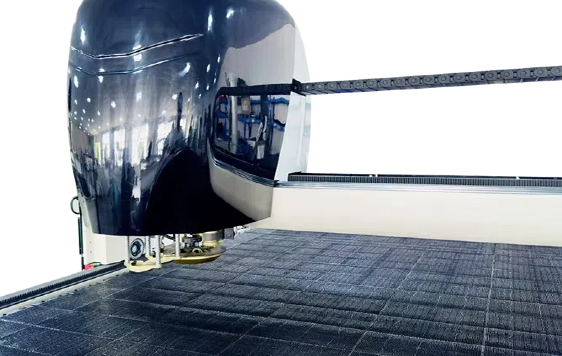
Enterprise manufacturers require absolute scalability and precision. They invest in an Automatic Fabric Cutting Machine to dominate the market. These represent large-scale automated flatbed systems. They process advanced textiles like aerospace composites, automotive leather, and outdoor gear nylon.
These flatbeds offer continuous cutting capabilities. Conveyor belts move material forward while the blade operates. They utilize intense vacuum hold-down mechanisms. This suction stabilizes shifting materials completely. Furthermore, many enterprise units include laser marking or punch hole options. They represent the ultimate pinnacle of textile manufacturing technology.
Machine Category | Primary Mechanism | Max Ply Height (Approx) | Best Use Case | Digital Integration |
|---|---|---|---|---|
Prosumer & Die Cutters | Digital Plotter / Pressure Die | 1 - 6 layers | Quilting, Custom Prototypes | High (Direct CAD/App) |
Mid-Volume Electric | Circular / Octagonal Blade | 1.5 inches | Small Manufacturing, Upholstery | None (Manual Operation) |
Heavy-Duty Straight Knife | Vertical Reciprocating Blade | 8 - 10 inches | Factory Garment Production | None (Manual Operation) |
Enterprise Automated | CNC Flatbed / Conveyor | Variable (Vacuum Compressed) | Advanced Textiles, Aerospace | Maximum (Full CAD/Nesting) |
Buying the right equipment demands a structured evaluation process. You cannot simply pick the most popular brand. Buyers must analyze their specific operational constraints carefully. Follow these core dimensions before signing any purchase orders.
Start by auditing your entire textile portfolio. Different fabrics behave uniquely under mechanical stress. Heavy synthetics like canvas or Kevlar require high-torque motors. Weak motors stall and overheat quickly when processing technical textiles. Conversely, lightweight silks demand aggressive anti-fray blade actions. You must match the hardware to your heaviest and lightest materials. Always calculate your average daily ply height requirements.
Evaluate how the machine receives structural instructions. Modern digital environments rely on seamless communication. Ask vendors if the machine offers proprietary nesting software. Nesting logic actively minimizes fabric waste by packing patterns tightly. Determine if the system can seamlessly import standard industry CAD files. Proprietary locked ecosystems often frustrate growing businesses. Open-architecture software usually provides the best long-term flexibility.
Industrial settings cannot tolerate frequent unplanned downtime. Focus your procurement search on self-maintaining hardware. Moving metal parts experience extreme friction daily. Look for models featuring integrated auto-sharpening stones. These stones maintain pristine edge quality without halting production. Auto-lubrication systems represent another crucial commercial feature. They distribute oil continuously to prevent motor burnout. Prioritize machines designed for high-stress continuous operation.
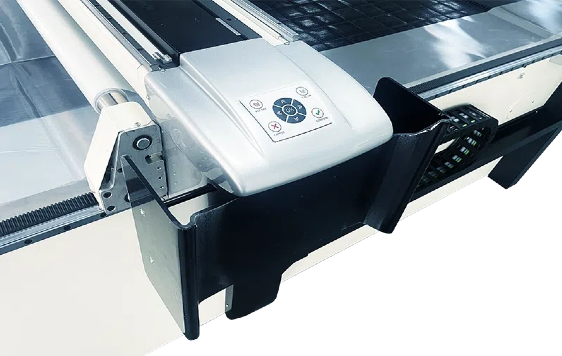
Bringing new industrial machinery into a facility poses distinct challenges. A smooth rollout requires anticipating logistical hurdles beforehand. Ignore these realities, and your new investment might sit idle for weeks.
Industrial systems demand significant facility footprint planning. Flatbed machines take up substantial square footage. You must calculate clearance zones for material loading and safe operation. Furthermore, enterprise units require specialized electrical wiring. Standard outlets will not suffice. Expect to install 220V or 3-phase power drops. Pneumatic and high-power vacuum hookups also necessitate dedicated facility upgrades. Consult an electrician before accepting delivery.
Transitioning to automation changes your workforce requirements fundamentally. You shift from physical craftsmanship to digital file management. Operators of advanced machines need dedicated software proficiency. They must understand CAD alignment procedures and nesting logic parameters. Physical dexterity matters far less than computer literacy. Budget ample time for vendor-led training sessions. Expect a temporary dip in production speed while staff adapts.
Ripping out old tables to install new machines disrupts operations. Advise your team on staging the rollout carefully. Phasing in a new cutting system prevents missing critical client deadlines. You must test material behavior thoroughly under new mechanical tensions. Vacuum suction alters how stretchy fabrics behave during the cut. Run extensive sample tests before committing to full-scale production runs. Calibrate the machine carefully to match your specific textile properties.
Choosing the ideal mechanized cutter transforms your manufacturing capabilities permanently. Your final decision should rely on a clear volume-based matrix. Hobbyists and prosumers should stick to digital plotters and die cutters. Expanding mid-sized workshops benefit most from circular or straight electric knives. Finally, enterprise-level scaling demands fully automated flatbed systems to remain globally competitive.
Your next step requires physical validation. Never purchase industrial equipment based solely on a brochure. Encourage your procurement team to request a live demo. Send the manufacturer a sample of your proprietary materials. Demand a recorded test cut. Evaluate the edge quality and cycle time yourself. By verifying real-world performance, you guarantee a profitable, long-term machinery investment.
A: Versatility ranges widely based on blade type and motor torque. They easily process standard cotton, wool, and denim. High-end commercial flatbeds also tackle advanced technical textiles. These include neoprene, fiberglass, heavy canvas, and automotive leather. You simply adjust the blade speed and downward pressure to match the material density.
A: Commercial compliance standards mandate rigorous safety features. Industrial cutters feature built-in adjustable finger guards covering the exposed blade. Many units utilize completely concealed blade mechanisms during idle states. Automated systems also include emergency stop sensors and perimeter light curtains. These instantly halt operation if a worker breaches the cutting zone.
A: Yes, software requirements vary by machine tier. Most consumer or prosumer machines rely on proprietary smartphone apps or basic desktop programs. Enterprise automated machines, however, integrate directly with standard industrial CAD formats. They require dedicated nesting software to execute pattern optimization and achieve zero-waste layouts.
A: Replacement frequency varies drastically by material density and usage scale. Cutting fiberglass dulls blades much faster than cutting silk. High-end commercial models feature automatic sharpening stones and self-lubricating systems. These integrated mechanisms hone the blade continuously during operation, extending blade life significantly and minimizing manual replacement downtime.


