


Views: 0 Author: Site Editor Publish Time: 2025-07-13 Origin: Site


In today’s fast-paced fashion and garment production environment, small and medium-sized apparel workshops are increasingly turning to automation to improve efficiency, consistency, and quality. One of the most transformative innovations in this regard is the automatic fabric cutting machine. Unlike traditional manual methods, these machines offer precision, speed, and repeatability that are crucial for staying competitive in modern markets.
A fabric cutting machine is a specialized device engineered to cut textile materials into predefined shapes, sizes, or patterns with precision and efficiency. Traditionally, fabric cutting has been a manual process, reliant on skilled labor to measure, mark, and cut by hand using scissors or cutting knives. While effective, manual methods are time-consuming, labor-intensive, and prone to human error, especially when managing large volumes or complex patterns.
In contrast, a fabric cutting machine automates this essential step in garment and textile production. Among them, the automatic fabric cutting machine stands out as a high-efficiency solution, utilizing computer-controlled systems (CNC technology) to execute detailed and repetitive cutting tasks with outstanding accuracy. These machines are equipped with advanced features such as digital pattern input, touchscreen operation, automatic alignment and edge detection sensors, as well as precision cutting tools like rotary blades, oscillating knives, or laser heads.
What makes the automatic fabric cutting machine particularly valuable is its versatility. It can handle a wide range of fabric types including cotton, polyester, silk, denim, and synthetic materials. In addition, the machine can be configured for single-ply cutting—ideal for custom apparel production and prototyping—or as a multi-layer fabric cutting machine designed for high-volume cutting where multiple layers of fabric are sliced simultaneously without compromising accuracy.
For small-to-medium-sized apparel workshops, this technology offers a game-changing upgrade. It enables faster turnaround times, ensures uniformity across production batches, reduces material waste through precise nesting algorithms, and minimizes dependence on skilled manual labor. This not only improves workflow and productivity but also lowers long-term operational costs.
Whether used in a garment factory, home textile facility, or apparel workshop, automatic fabric cutting machines are an essential tool for modern textile manufacturing. As demand for customized and on-demand production increases, adopting automated cutting technology is becoming a strategic move for manufacturers seeking to stay competitive in today’s fast-paced fashion and textile markets.
For many years, automation was considered the domain of large-scale manufacturing. However, with the advancement of affordable and compact machines, small and medium apparel workshops are now integrating automation into their operations.
Cost Efficiency: While initial investment may seem high, automation reduces labor costs and fabric waste in the long run.
Consistency: Every cut is the same, which improves product quality and reduces errors.
Speed: Automatic systems are much faster than manual cutting, reducing turnaround time for orders.
Scalability: As business grows, automated machines can handle increased workloads without needing significantly more labor.
The transition from manual scissors or rotary cutters to automatic fabric cutting machines is a natural step for any workshop aiming to modernize and scale production.
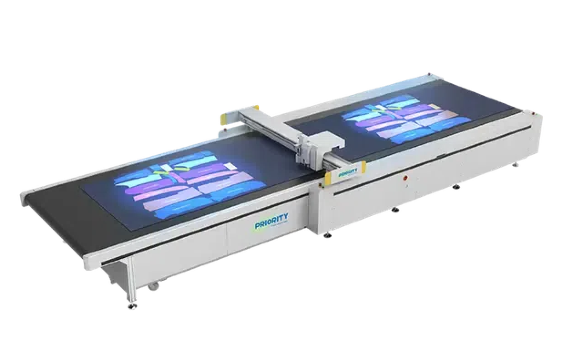
When selecting an automatic fabric cutting machine for your apparel workshop, it’s important to understand the core features that define its functionality and performance.
Modern machines come with user-friendly touchscreens that allow operators to load, modify, and manage cutting patterns. These interfaces often support CAD files, making it easy to transition from design to production.
Advanced models feature edge detection sensors to ensure precise material alignment. This helps reduce fabric waste and ensures that each cut follows the exact intended outline.
Whether you're working with cotton, polyester, silk, denim, or stretch fabrics, a high-quality machine should support a wide range of materials. Look for specifications on material compatibility when comparing models.
Automatic cutting involves high-speed blades or lasers. Leading models are equipped with safety shields, emergency stop buttons, and intelligent motion sensors to prevent accidents during operation.
These features not only enhance productivity but also promote a safer, more efficient working environment for your team.
Investing in a fabric cutting machine, particularly an automatic fabric cutting machine, offers a range of practical and measurable advantages for small-to-medium-scale clothing manufacturers. These benefits go far beyond just replacing manual labor—they enhance efficiency, precision, consistency, and overall production quality.
High Cutting Precision
In the apparel industry, precision is everything. A small error in cutting can result in poor fit, fabric waste, and additional costs for corrections or remakes. An automatic fabric cutting machine ensures exceptional cutting accuracy—often within ±0.5 mm—making it easier to match complex patterns, maintain consistent seam allowances, and cut detailed shapes with fine lines and curves. This level of precision is particularly important for high-quality garments, fashion design, and custom apparel where even a slight deviation can affect the final outcome.
Less Labor-Intensive
Manual fabric cutting is both time-consuming and physically demanding. It requires trained personnel with experience in laying out patterns, marking lines, and cutting by hand—all while maintaining accuracy and speed. In contrast, a fabric cutting machine automates these processes. A single operator can oversee the machine, load the fabric, initiate cutting jobs, and manage production schedules. This reduces the dependence on skilled cutters and minimizes human fatigue and potential injury, leading to a safer and more sustainable working environment.
Increased Productivity
Time is a critical factor in garment production. An automatic fabric cutting machine significantly reduces the time required for repetitive cutting tasks. Once a digital pattern is uploaded, the machine can quickly position, align, and cut multiple layers or single sheets of fabric without manual intervention. Some advanced models can even prepare the next batch while the current one is still in progress. This automation results in faster turnaround times, higher daily output, and the ability to meet tight deadlines or large orders more effectively.
Consistent Results
One of the most valuable aspects of using an automated fabric cutting machine is consistency. Manual cutting is subject to human error, such as misalignment, incorrect measurements, or uneven cuts. These inconsistencies can cause assembly issues during sewing and impact the overall quality of the final garment. Automated cutting eliminates these variables. With pre-set parameters and software-controlled precision, the machine delivers the same result every time—ensuring uniformity across all pieces in a production run. This not only improves product quality but also reduces fabric waste and the need for quality control rechecks.
Before purchasing a machine, consider the available space and layout of your workshop.
Some automatic fabric cutting machines are designed with smaller footprints and are ideal for compact apparel workshops. These models typically handle single-ply fabrics and are perfect for made-to-order or custom garment production.
If your workshop deals with batch production or repeat orders, investing in a larger, multi-layer fabric cutting machine may be beneficial. These machines require more space but drastically increase output by cutting multiple layers simultaneously.
Machines may come with built-in cutting tables, or they may require integration with your existing cutting stations. Ensure that the layout supports ergonomic operation and efficient material handling.
Like any piece of machinery, automatic fabric cutting machines require regular maintenance to perform at their best. Here are some essential tips:
Dust, fabric lint, and small threads can accumulate and affect performance. Regular cleaning of blades, laser heads, or cutting mats is essential.
If your machine operates with a software-based interface or CAD system, keep the software updated for optimal compatibility and access to new features.
Though user-friendly, these machines do require a trained operator to handle pattern input, material alignment, and basic troubleshooting. Manufacturers or fabric cutting machine suppliers often provide training during installation.
Set a schedule for replacing blades, checking alignment, and inspecting sensors. Preventative maintenance avoids downtime and costly repairs.
Automatic fabric cutting machines are no longer limited to large-scale factories. With compact, affordable, and advanced models now available, apparel workshops of all sizes can benefit from automation—achieving higher precision, reduced labor, faster turnaround, and consistent quality. Whether you're launching a new workshop or scaling up production, choosing the right cutting machine is key to staying competitive.
When selecting a fabric cutting machine, consider factors like workspace, fabric types, production needs, and ease of operation. Most importantly, partner with a trusted fabric cutting machine supplier. Suzhou Yunwen Imp.&Exp. Trading Co., Ltd. offers reliable fabric cutting solutions, professional guidance, and dependable after-sales support. To explore the right machine for your needs, we recommend reaching out to Suzhou Yunwen for more information and expert assistance.


