

Views: 0 Author: Site Editor Publish Time: 2026-07-02 Origin: Site


High-quality garment production is won or lost before the blade ever touches the fabric. Flaws in the spreading process compound exponentially during cutting. Minor alignment errors early on create massive material waste later. You cannot achieve tight tolerances without proper preparation. While manufacturers often heavily invest in automated cutters, neglecting the spreading phase creates a severe bottleneck. Manual pulling limits cutting room efficiency entirely. It wastes expensive raw materials rapidly. An unbalanced production floor drains your daily profitability. Implementing a commercial fabric spreading machine bridges the gap between digital markers and physical execution. It ensures tension-free lays and precise edge alignment consistently. You will learn how this advanced technology guarantees scalable production returns. We will explore hidden manual costs, core machine features, and integration strategies. This guide provides actionable steps to upgrade your cutting room successfully.
Material Yield: Automated spreading minimizes end-loss and edge misalignment, directly recovering material costs that account for up to 60% of garment production expenses.
Quality Control: Tension-free spreading eliminates post-cut shrinkage and distorted panels, particularly critical for knits and elastane blends.
Throughput Synchronization: A mechanized spreader ensures the cutting table is continuously fed, maximizing the uptime and ROI of automated cutting systems.
Labor Efficiency: Transitions the cutting room from labor-intensive manual pulling to high-speed, single-operator supervision.
Manual pulling physically stretches fabrics across the table. Operators apply uneven force during the process. The material relaxes back to its original state after cutting. This creates undersized or misshapen garment panels. They fail quality control checks immediately. You lose valuable production time. The tension problem destroys fit consistency globally. Customers return poorly fitting garments continuously. We see this issue frequently with knits and elastane blends. You cannot fix dimensional distortion through downstream sewing.
Human operators struggle to align fabric edges perfectly. Fatigue makes precise alignment impossible over long shifts. Misalignment forces pattern makers to compromise their layouts. They must leave wider safety margins on the CAD marker. These buffers increase fabric fallout significantly. You waste valuable yardage on every single ply. Material costs account for most of your production budget. Every lost centimeter destroys your profit margins. Precise edge alignment saves massive amounts of money annually.
Fabric rolls frequently exceed 50 kilograms. Handling these massive rolls manually slows down production speed. It dramatically increases workplace injury risks for your staff. Operators fatigue quickly over an eight-hour shift. They produce inconsistent ply heights as their energy drops. Manual spreading requires at least two workers per table. This labor dependency restricts your ability to scale operations. You pay higher wages for lower physical accuracy.
Manual spreading moves far too slowly. It cannot keep pace alongside high-speed automated cutters. Your expensive cutting machinery often sits idle. Idle machines kill factory profitability quickly. Automated cutters devour fabric lays in minutes. Manual operators take hours to prepare a single block. This mismatch creates a severe workflow bottleneck. You must synchronize your preparation speed with your cutting speed. Production must flow smoothly without costly interruptions.
Advanced machines solve the tension problem mechanically. Motorized feed rollers and dancer bars work in harmony. They unroll fabric exactly at the machine travel speed. This delivers tension-free laying consistently. Panels remain dimensionally stable post-cut. We eliminate relaxation shrinkage entirely. You ensure perfect garment fit every time. The machine adjusts feed rates dynamically. It handles highly elastic fabrics without stretching them at all.
Modern systems use advanced optical sensors. These sensors automatically align the selvedge edge flawlessly. The machine shifts the roll laterally to maintain alignment. Perfect alignment allows tighter marker layouts. You achieve maximum fabric utilization across the lay. Pattern makers can remove safety buffers safely. You pack pattern pieces closer together. This simple change yields massive material savings globally.
Automated systems utilize precision encoders constantly. They cut exactly at the programmed marker length. We eliminate human miscalculation completely. You stop wasting excess material on end-loss. The machine stops automatically when it reaches the required plies. It never over-spreads or under-spreads the block. This accuracy guarantees exact order fulfillment. You avoid cutting surplus garments unnecessarily.
Fabric rolls always contain hidden manufacturing flaws. Modern machines allow operators to pause operations smoothly. You stop the lay when you spot a defect. You splice out the defective section entirely. Then, you resume the lay precisely at the splice mark. You do this without disrupting tension or alignment. You save the rest of the pristine ply. This capability prevents defective panels from reaching the sewing floor.
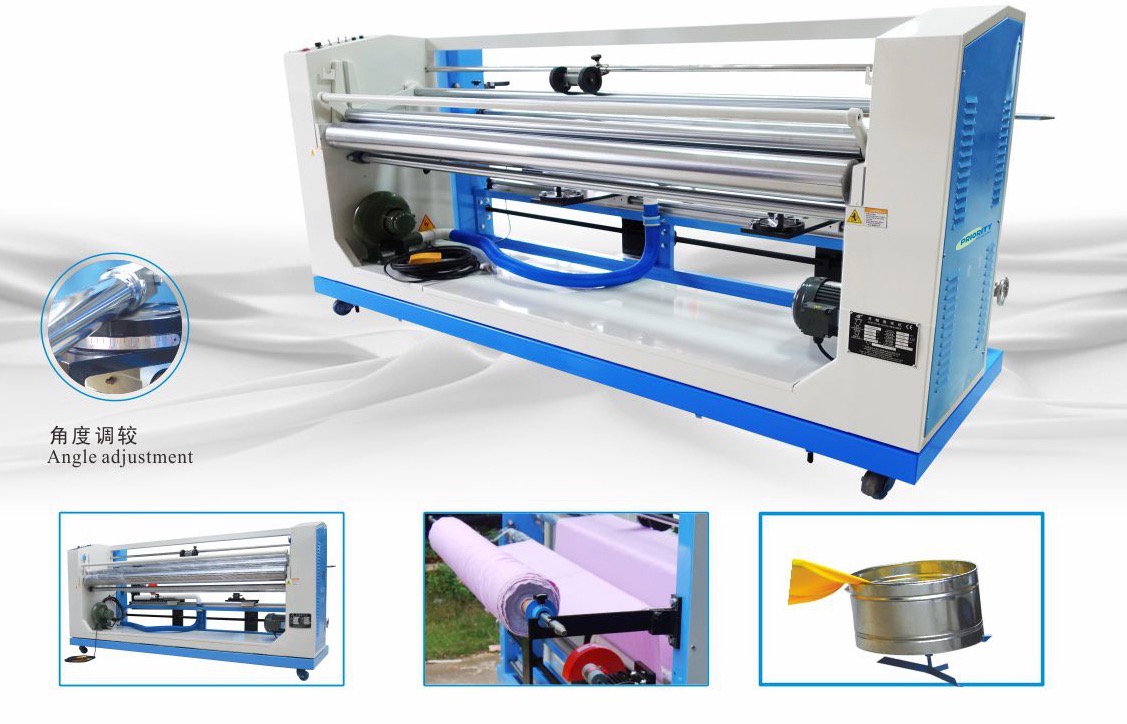
You must evaluate maximum roll weight capacities first. Heavy denim rolls require robust steel frames. Assess the maximum roll diameter carefully. Assess feed mechanisms based on your primary material types. Heavy denims need sturdy conveyor belt feeds. Delicate activewear knits require supportive cradle feeds. Standard wovens perform well on simple bar feeds. You must match the machine hardware to your textile profile. Using the wrong feed mechanism causes immediate quality issues.
Compare essential spreading modes before purchasing. Face-up laying suits directional prints and corduroy. Face-to-face zigzag laying maximizes production speed. Tubular laying handles seamless t-shirt knits perfectly. Verify the machine handles step-lays effortlessly. Step-lays accommodate varying order quantities within one marker. You need high flexibility for diverse order ratios. Manual recalibration slows down your production timeline. The machine must switch modes through the software interface easily.
Look for intuitive touch-screen PLC controls. Operators must program lay lengths easily. They should adjust ply quantities and speed profiles quickly. Modern interfaces reduce the operator learning curve. Assess AI-assisted tension monitoring systems. These systems make real-time adjustments automatically. They prevent hidden stretching before it happens. You want software that provides detailed daily production reports. These reports help management track efficiency accurately.
Feed Mechanism | Ideal Material Type | Primary Application Advantage |
|---|---|---|
Conveyor Belt System | Heavy denim, canvas, upholstery | Handles excessive fabric weight without sagging or stalling. |
Cradle Feed System | Knits, activewear, swimwear | Supports full roll width, minimizing stretch for highly elastic textiles. |
Standard Bar Feed | Wovens, shirting, stable synthetics | Simple and highly cost-effective for dimensionally stable fabrics. |
A Fabric Spreading Machine must integrate properly into your workflow. We strongly recommend pairing it with an air-equipped Cutting Table. Air flotation creates a thin cushion beneath the fabric block. You can slide heavy lays to the cutter seamlessly. It prevents any distortion during the physical transfer. Dragging a massive fabric block manually ruins bottom plies. Air tables protect your preparation work completely. They make material handling effortless for your staff.
Calculate your necessary table length accurately. You must combine the maximum lay length and machine parking space. You also need a dedicated loading zone. This optimizes factory floor utilization effectively. Insufficient space creates dangerous operational bottlenecks. Ensure you have enough clearance for forklifts to load rolls. Poor layout design negates the speed benefits of automation. Plan your linear production flow meticulously before installation.
Software integration matters heavily in modern factories. Ensure your equipment reads marker data directly. It must pull length and splice points from existing CAD software. This reduces manual data entry errors entirely. The machine should parse standard ISO cut files natively. Seamless data flow connects the design room to the floor. You eliminate paper run-sheets completely. This digital thread ensures total production accuracy.
Acknowledge the necessary learning curve for your team. Shifting staff from manual laborers to machine supervisors takes time. You must train them thoroughly. Well-trained operators maximize your equipment investment returns.
Train staff on material-specific tension settings.
Educate operators on fabric behavior under mechanical stress.
Establish daily machine maintenance routines.
Invest deeply in comprehensive vendor training sessions.
Calculate the precise percentage of fabric saved per lay. Focus strictly on reduced end-loss and tighter edge alignment. Factories often see 2 to 5 percent savings immediately. This yields exceptionally fast payback on high-volume production runs. Recovered material costs drop straight to your bottom line. You buy less raw fabric for the same garment output. Track these savings meticulously over the first quarter.
Measure the total plies spread per hour. Compare this directly against your previous manual methods. Factor in the reduction of idle time for automated cutters. Faster spreading multiplies overall daily output dramatically. You can complete more production orders per week. A single automated table can feed multiple cutters easily. You scale your business without hiring dozens of extra manual workers.
Factor in the financial impact of rejected garments. Poor cutting accuracy forces expensive sewing rework. Tension-free laying stops post-cut shrinkage permanently. You save money by eliminating wasted final products. Brand reputation improves when garment fit remains consistent. Retailers penalize manufacturers for inconsistent sizing. Quality control starts firmly at the spreading table. You eliminate the root cause of dimensional defects entirely.
We highly recommend following a structured evaluation process. A tailored approach ensures you select the perfect system for your facility.
Schedule a formal time-study audit with equipment vendors.
Test your factory's own worst-case fabric rolls during demonstrations.
Document the precise speed and material yield differences carefully.
Consult with technicians about your specific floor layout constraints.
A fabric spreading machine represents a foundational quality-assurance tool. It is never merely an accessory to a cutting table. It actively protects your material yield and product integrity. It prevents downstream sewing disasters entirely. Upgrading to automated spreading is a mandatory operational step. Any facility scaling production needs it urgently. Facilities handling technical, stretch-prone textiles require it absolutely. You cannot compete using manual pulling methods anymore. Audit your current cutting room material waste today. Identify the financial leaks caused by manual methods. Consult equipment specialists to match a spreader to your profiles. Scale your production volume with total confidence.
A: Yes, but it requires specific attachments to manage the tension of knits compared to standard bar-feeds for wovens. Cradle feeds and dancer rollers manage high elasticity effortlessly. Operators can swap these feed mechanisms out depending on daily production needs. You must specify your fabric types during the initial purchase.
A: Not necessarily. Spreaders can run on existing tables provided they have the correct width, structural weight capacity, and standard guide rails. However, air-flotation tables are highly recommended. They allow operators to move heavy fabric blocks safely without causing bottom-ply distortion.
A: Operators can stop the machine immediately when they spot a flaw. They cut out the defective section completely. Next, they overlap the fabric at a designated splice mark. They continue the lay smoothly without wasting the entire ply or disrupting the alignment.
A: Depending on production volume and fabric costs, facilities typically see full returns rapidly. Factories usually achieve full financial recovery within 12 to 18 months. They reach this milestone through massive labor reduction and strict fabric yield improvements.


