

Views: 0 Author: Site Editor Publish Time: 2026-07-03 Origin: Site


Home textile manufacturers eventually hit a severe production bottleneck. Transitioning from low-volume manual stuffing to high-volume, standardized output stresses existing operational workflows. We frequently see facilities struggle to maintain product quality while trying to scale up. You need a reliable mechanical solution. A textile filling machine serves as this critical bridge. It allows you to scale output rapidly without compromising product loft, consistency, or unit economics. This article acts as a comprehensive buyer’s guide for operations managers. We evaluate how automation upgrades directly impact your factory floor efficiency. You will learn the core business functions of these systems. We classify the equipment by production strategy to help you choose wisely. You will also discover how precision weighing optimizes overall manufacturing expenses. Finally, we cover crucial implementation realities to ensure a smooth technological transition.
Production Velocity: Automated filling transitions production from units-per-hour to seconds-per-unit.
Cost Control: Precision weighing systems eliminate material waste (overstuffing) and dramatically reduce labor dependencies.
Versatility vs. Specialization: Machine selection depends heavily on the output format (e.g., standard pillows vs. using a dedicated Home Textile Quilt Filler) and fill material (polyester fiber, down, memory foam).
Implementation Realities: Successful deployment requires assessing facility air supply, floor space, and operator training, not just machine speed.
Manual filling operations inevitably breed inconsistency on the factory floor. Operators experience physical fatigue over a long shift. This leads to erratic product weights and lumpy fiber distribution. It also drives up unsustainable labor expenses. You cannot build a scalable home textile brand relying entirely on hand-stuffed goods. Automation solves this directly. Modern equipment tackles these physical variables head-on.
Volume stuffing handles pillows and cushions highly efficiently. The equipment rapidly opens raw compressed fiber. It weighs the material precisely before injecting it into pre-sewn shells. You get uniform density across thousands of individual units. We consider this the baseline function of modern setups. It easily handles conjugated hollow siliconized fiber and virgin polyester blends.
Surface area distribution requires a completely different mechanical approach. Using a Home Textile Quilt Filler achieves an even, corner-to-corner thermal distribution. This proves essential for manufacturing premium comforters and heavy duvets. Loose fill must spread evenly to eliminate cold spots across large sleeping areas.
Specialty upholstery and plush toys present unique geometric challenges. Standard nozzles cannot reach deep crevices easily. Specialized injection nozzles navigate these complex product shapes. They prevent hollow dead spots in intricate corners like toy arms or furniture armrests. You ensure maximum loft where it matters most.
Best Practice: Always match your injection nozzle diameter to the fabric shell opening. This prevents fabric tearing and speeds up the handling process.
Common Mistake: Operators often ignore corner density during manual stuffing. Automated systems require careful calibration to push fiber deep into the shell corners.
Selecting the right equipment depends heavily on your specific output strategy. Facilities must match their daily volume targets against machine capabilities. Overbuying leads to wasted capital. Underbuying creates immediate workflow bottlenecks.
These large lines work best for high-volume, continuous pillow or cushion production. They represent the absolute peak of hands-off manufacturing. The system integrates bale breaking and fiber opening seamlessly. It handles precise weighing and automatic filling inside one closed-loop system. Conveyors move the finished products away immediately. You eliminate intermediate material handling completely. This drastically boosts your hourly yield. We recommend these for enterprise-level operations running multiple daily shifts.
Mid-sized operations often choose these highly versatile setups. They adapt quickly to varied product runs. A single shift might mix cushions, plush toys, and custom bedding. Operators must manually place the empty shell onto the nozzle. The system then automates the intensive fiber opening and injection processes. You gain significant speed while maintaining crucial flexibility. They cost less than fully automatic lines but deliver massive efficiency gains over manual work.
These machines excel specifically at producing duvets, quilts, and sleeping bags. They handle large, flat surface areas uniquely. A dedicated quilt processor ensures loose fill disperses evenly across the entire fabric plane. It lays down consistent fiber batts. The subsequent quilting process then locks everything securely in place. You avoid the uneven clustering seen in manual spreading techniques. This specialized equipment guarantees the exact thermal rating of your finished bedding.
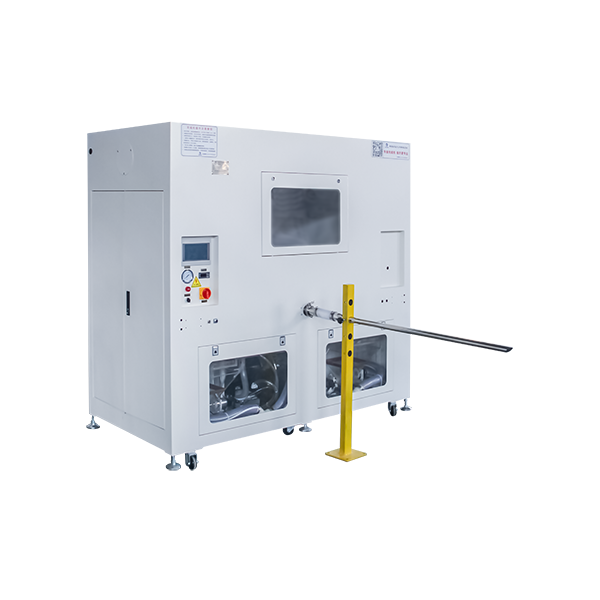
Optimizing your production line heavily relies on understanding strict unit economics. Upgrading to automation transforms variable expenses into predictable operational metrics. You gain immense control over your daily financial outputs.
Precision weighing systems optimize your material yield entirely. High-end models utilize PLC-controlled load cells. They hit exact gram weights on every single machine cycle. Manual lines typically suffer from notable material overstuffing. Operators overcompensate to ensure products look aesthetically full. This wastes five to ten percent of your raw material. High-precision automation stops you from giving away free fiber.
Automated solutions trigger massive labor reallocation opportunities. A single modern Textile Filling Machine easily replaces four to five manual stuffers. You only need one or two operators to manage the entire workstation. Managers can redirect surplus labor to more valuable tasks. We highly recommend moving them to quality control or final packaging departments.
Scrap and defect reduction directly improves your bottom line. Automated fiber openers tease apart compacted bales efficiently. They ensure maximum loft and eliminate dense clumping inside the pillow. You significantly reduce the rate of QA rejections. Better product consistency also lowers consumer return rates. You protect your brand reputation while increasing profit margins.
Operations managers must scrutinize technical specifications during equipment procurement. You cannot rely on maximum speed claims alone. We advise examining four critical evaluation pillars carefully.
First, verify absolute material compatibility. Some units exclusively process single materials like conjugated hollow virgin polyester. Mixed materials demand much more robust internals. Shredded memory foam, microfiber, and down feathers behave very differently. You must ensure the chosen system handles your specific blend without jamming.
Second, evaluate weighing precision and tolerance levels accurately. You must assess the realistic margin of error. Top-tier machines offer a strict tolerance of ±10 grams per standard pillow. Tight tolerances protect your raw material profit margins.
Third, assess changeover speeds rigorously. Switching from polyester to down requires entirely clearing the system. You want to avoid cross-contamination at all costs. We evaluate how many minutes a full purge takes. Faster changeovers keep your line moving efficiently.
Fourth, prioritize compliance and safety standards. Dust-extraction capabilities prove non-negotiable for operator respiratory health. Look for CE certification and integrated emergency stop mechanisms. These features help you meet OSHA and local workplace safety regulations confidently.
Equipment Evaluation Matrix
Evaluation Criteria | Ideal Target Standard | Risk of Ignoring |
|---|---|---|
Material Flexibility | Handles virgin fiber, foam, and blends | Frequent system jamming and material waste |
Weighing Precision | ±10 grams per unit | High material give-away costs |
Changeover Speed | Under 15 minutes | Excessive machine downtime |
Safety Compliance | CE certification, E-stops included | Workplace injuries and regulatory fines |
An automated system is only as good as the facility infrastructure supporting it. We operate under transparent assumptions here. Buying a high-speed unit solves nothing if your building cannot power it correctly. You must assess your operational readiness.
Pneumatic filling systems demand consistent, high-volume compressed air. Your air compressor dictates actual machine performance. An undersized compressor causes frequent machine stalling. It also guarantees inconsistent fill weights. You must audit your current pneumatic capacity beforehand. Ensure your lines can handle sustained high pressure without sudden drops.
Processing synthetic polyester generates massive static electricity. It clumps together rapidly under tension. Facilities must plan for environmental humidity controls. You might also install active anti-static equipment along the fiber path. This prevents severe material jamming inside the narrow injection nozzles. Grounding the equipment properly remains essential.
Bearings inside fiber openers endure intense friction constantly. Pneumatic valves trigger thousands of times per shift. They require strict preventative maintenance schedules. Ignoring these schedules leads to unplanned line stoppages. We advise maintaining a strict logbook for roller lubrication and valve checks. Proactive care extends the operational life of your entire line.
Consider tracking these specific maintenance checkpoints to prevent failures:
Daily inspection of pneumatic air lines for minor micro-leaks.
Weekly cleaning of dust extraction filters to maintain proper airflow.
Monthly lubrication of high-speed fiber-opening roller bearings.
Quarterly calibration of load cells and electronic weighing platforms.
Investing in filling automation remains a critical growth strategy. It is less about buying a simple mechanical tool. It is entirely about establishing a predictable, scalable cost-per-unit for your facility. You gain unprecedented control over material waste. You improve labor efficiency dramatically. You guarantee product uniformity across massive production runs. These machines redefine how modern textiles reach the retail market.
To guarantee operational success, take a data-driven approach to procurement. Here are your next actionable steps:
Audit your current manual production bottlenecks and daily volume limits today.
Calculate your average material giveaway percentage due to manual overstuffing.
Consult a manufacturer regarding your specific geometric product shapes.
Request a live material test run before finalizing any equipment purchase.
Send your specific fiber blends and pre-sewn shells directly to the machinery manufacturer. Request video evidence of the trial. This validates the equipment performance against your real-world materials.
A: Yes, hybrid machines exist, but dedicated machines perform much better. Down feathers and synthetic fibers require drastically different nozzle types and pneumatic pressures. Down needs gentle handling to prevent delicate feather breakage. Polyester requires robust opening rollers. Mixing them frequently in one machine complicates changeovers and risks severe cross-contamination.
A: A complete automatic system generally requires a footprint between 50 to 100 square meters. You must factor in the dimensions of bale openers, material silos, conveying pipes, and the final weighing station. Always allocate additional floor space around the equipment. This ensures safe operator movement and proper maintenance access.
A: A standard cushion stuffer uses a point-injection nozzle to blow loose material tightly into a small casing. A quilt filler utilizes wide-dispersion mechanisms instead. It lays down broad, continuous batts of fiber across a flat surface. This ensures even thermal distribution across large duvets before the final quilting process begins.
A: Roller maintenance depends heavily on your daily shift usage and material abrasiveness. Generally, operators should inspect and clean the roller teeth weekly. Bearings require strict monthly lubrication. Depending on the volume of recycled or tough fibers processed, complete roller replacement is typically necessary every three to five years.


