

Views: 0 Author: Site Editor Publish Time: 2026-07-04 Origin: Site


Scaling production for quilts, cushions, and bedding demands a critical shift in operations. Transitioning from manual or inconsistent stuffing methods to automated solutions is essential for growth. Facilities can no longer rely on slow, variable hand-filling when market demands require speed. Selecting the wrong equipment often leads to severe material waste and unexpected production bottlenecks. You risk creating inconsistent product quality, resulting in lumpy quilts or under-filled cushions. These defects damage brand reputation and inflate raw material expenses. This guide provides a pragmatic, procurement-focused framework to help you evaluate your equipment options effectively. We will explore how material compatibility and throughput requirements influence your final decision. You will learn actionable strategies to optimize your production floor and ensure long-term efficiency.
Match machine to material: Not all machines handle down, microfiber, and shredded memory foam equally; material density dictates the required injection and weighing technology.
Prioritize weighing accuracy: Precision filling reduces raw material waste and ensures compliance with bedding weight specifications.
Assess facility constraints: Evaluate dust extraction capabilities, compressed air requirements, and footprint before finalizing procurement.
Evaluating a new industrial filler requires a deep understanding of your daily operational metrics. Before reviewing equipment catalogs, you must audit your specific floor requirements. Ignoring these foundational metrics often leads to purchasing underpowered or unnecessarily complex systems. Establishing clear production parameters ensures your investment aligns directly against your manufacturing goals.
Assess whether the facility produces a single standardized product or requires frequent adjustments. High-volume pillow factories rarely change their settings. Conversely, versatile bedding plants shift between decorative cushions, heavy winter quilts, and lightweight summer blankets daily. Frequent changeovers demand software presets and quick-release physical components.
Best practice: Map your daily product mix. If you switch formats more than three times a shift, prioritize machines offering rapid-release nozzle mechanisms and one-touch recipe loading. This reduces idle time between production runs.
Define success criteria strictly in pieces per hour or pieces per shift. A vague goal guarantees missed targets. You must also identify the actual operational bottleneck. Sometimes the filling stage is not the true limiting factor. Upstream carding and fiber opening processes might lag. Alternatively, downstream sewing and packaging stations might fail to keep pace.
Calculate the maximum theoretical output of your sewing department.
Measure the steady output of your fiber opening machines.
Ensure your new filling system matches or slightly exceeds these two limits.
Common mistake: Buying a high-capacity machine while ignoring upstream fiber opening delays. The machine will sit idle waiting for usable material.
Audit the specific fillers used across all product lines. Natural down and feathers behave very differently compared to synthetic alternatives. Siliconized polyester fiber, ball fiber, and shredded foam each possess unique flow characteristics. Natural fibers require gentler handling protocols. They easily suffer structural damage under high pressure. Furthermore, natural materials demand superior static control during the injection phase.
When selecting a textile filling machine, mapping your exact material scope dictates the internal mechanical design you need. A machine optimized for shredded foam will likely crush delicate natural down clusters.
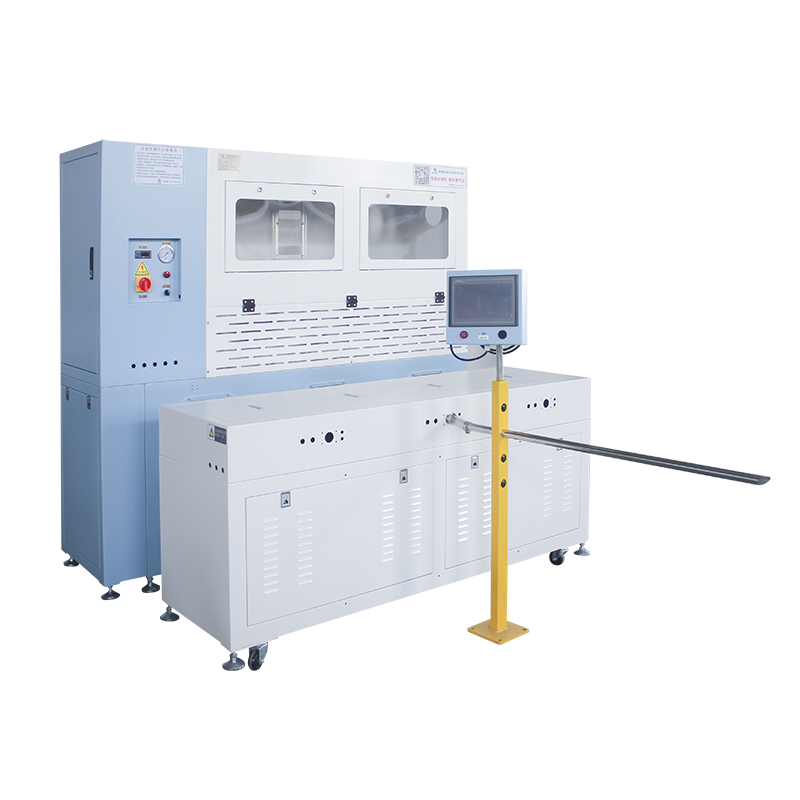
The industrial market divides filling technology into three distinct functional categories. Each category serves specific volume needs, material types, and accuracy thresholds. Matching your facility's primary output to the correct category prevents costly misalignment.
These systems excel in simple, high-volume environments. They inject material based on timed air blasts rather than strict weight metrics. Exact gram-level precision takes a back seat to sheer speed. Volumetric blowers push synthetic fibers quickly into basic casings.
Typical applications include standard decorative cushions, basic plush toys, and entry-level seating pads. If your product margin relies entirely on rapid output rather than exact material weights, this category offers the fastest return. However, expect slight variations in final product weight.
Precision systems utilize highly sensitive load cells and dedicated silo hoppers. They dispense exact material weights down to the gram. This category targets premium down bedding and high-end quilts. In these luxury applications, raw material cost is exceptionally high. Manufacturers have zero tolerance for error or material give-away.
These machines separate the weighing action from the blowing action. A holding chamber verifies the mass before pneumatic injection occurs. This guarantees compliance against strict labeling standards for luxury down products.
These represent the pinnacle of automated bedding production. They feature fully automated, multi-nozzle configurations. Advanced units integrate seamlessly alongside automated fabric clamping and continuous conveyor systems. They eliminate nearly all manual casing manipulation.
Many modern facilities rely on a High Speed Home Textile Filling Machine to sustain continuous mass production. These complex systems drastically reduce per-unit labor costs. They ensure perfect uniformity across thousands of identical winter quilts or mattress protectors.
System Type | Primary Application | Core Technology | Precision Level |
|---|---|---|---|
Volumetric Blower | Basic cushions, plush items | Timed pneumatic injection | Moderate (+/- 5%) |
Precision Weighing | Premium down quilts, luxury pillows | Load cells, isolated hoppers | High (+/- 1 gram) |
High Speed Automated | Mass bedding, uniform quilts | Multi-nozzle, conveyor integration | High (Automated batching) |
Procurement teams must evaluate specific technical features before requesting quotes. Do not base decisions solely on maximum theoretical speed. Actual production efficiency relies heavily on accuracy, adaptability, and user interface design. Examining these criteria mitigates long-term operational headaches.
Look for machines featuring dual-weighing technologies. A dual system utilizes a coarse fill followed by a fine correction phase. The coarse fill drops 90% of the target weight instantly. The fine fill gently adds the remaining 10% grain by grain. This mechanism prevents costly material give-away without sacrificing overall cycle speed.
What to watch out for: Single-stage weighing systems often overfill casings. Overfilling a premium down pillow by just 15 grams destroys profit margins over a ten-thousand-unit run.
Ensure the equipment offers easily interchangeable nozzles. Different products feature vastly different fabric apertures. A small throw pillow requires a narrow injection tube. A large baffle-box winter quilt needs a wider, flatter nozzle. Forcing a large nozzle into a small casing opening tears the fabric. The design must accommodate diverse dimensions effortlessly.
Evaluate the software powering the machine. The HMI should feel intuitive to floor staff. Ask specific software-related questions during vendor discussions.
Can the interface store multiple distinct product recipes?
Are there memory presets available for "King Size Quilt" versus "Throw Pillow"?
Does the dashboard provide real-time diagnostic data?
Will the screen alert operators exactly where a blockage occurred?
Clear visual alerts prevent staff from dismantling the entire pipe network to find a simple fiber jam.
Verify adherence to recognized industrial safety standards. Look for prominent CE or UL certifications on the spec sheet. Textile environments present significant hazards. Moving mechanical arms, high-pressure pneumatics, and electrical enclosures require robust shielding. Accessible emergency stops must exist at multiple points around the filling station.
Integrating new machinery into an active production floor introduces immediate environmental changes. Facilities often overlook the physical infrastructure required to support advanced filling technology. Preparing for these realities prevents extended installation delays and ensures smooth early operations.
High-speed friction generates massive static electricity. Synthetic fibers sliding through metal tubes create strong charges. This static leads directly to fiber clumping. Clumped fibers result in unevenly filled quilts and lumpy cushions. Furthermore, the process kicks up considerable airborne dust.
You must ensure the machine includes industrial dust extraction systems. Additionally, verify it integrates active anti-static ionizers near the injection nozzles. Proper grounding and air ionization keep materials flowing smoothly.
Pneumatic filling relies entirely on consistent air pressure. These systems demand heavy-duty, industrial-grade compressors. A standard shop compressor will fail immediately. You must factor in the necessity of upgrading your facility’s compressed air infrastructure. The machines require a consistent PSI to maintain injection velocity. Drops in air pressure cause blockages inside the tubing.
A highly complex automated machine remains useless if floor staff cannot calibrate it. Operators must feel confident navigating the HMI, changing nozzles, and clearing minor jams. Evaluate the vendor’s installation support structure carefully. Request comprehensive training documentation. Test the intuitiveness of the controls during a live demonstration. High staff turnover in manufacturing means training new operators must be simple and repeatable.
Selecting a manufacturing partner requires due diligence beyond reading specification sheets. Your relationship with the equipment vendor extends years past the initial delivery date. Structuring your evaluation process ensures you choose a reliable long-term partner.
Never authorize a purchase without requesting a live test run. Send your specific fabric casings and proprietary filling materials directly to the vendor's testing facility. Natural down from one supplier flows differently than down from another. Shredded foam varies wildly in density. A live demonstration using your exact components exposes potential clogging issues before the machine reaches your floor.
Assess the vendor's Service Level Agreement (SLA) thoroughly. Read the warranty terms regarding mechanical wear and tear. You must confirm the domestic availability of consumable parts. Valves, optical sensors, and conveyor belts require routine replacement. Waiting six weeks for an overseas shipment of a proprietary sensor shuts down your entire production line. Ensure the vendor stocks critical spares within your region.
Balance priorities: The right equipment perfectly balances injection speed with strict material precision.
Demand proof: Prioritize live equipment demonstrations utilizing your own proprietary fabrics and fillings to verify claims.
Look upstream: Consult an equipment engineer to audit your current carding and sewing bottlenecks before requesting new machinery quotes.
Ensure compliance: Verify electrical certifications and environmental dust management capabilities to protect your workforce.
Prepare infrastructure: Upgrade compressed air systems and grounding networks prior to delivery to avoid installation delays.
A: Yes, hybrid machines exist, but they require careful calibration. Natural down and synthetic fibers possess different densities and static properties. Handling both usually requires swapping dedicated hoppers and adjusting blower speeds. While possible, dedicated systems perform noticeably better and yield higher precision for premium down products.
A: A fully automated line requires a substantial footprint. You must account for upstream bale openers, large material storage silos, the main weighing unit, and the injection station. Additionally, safety regulations require adequate clearance around all moving parts for operator access. Expect to allocate at least 30 to 50 square meters for a complete system.
A: The typical return on investment ranges from 12 to 24 months for high-volume facilities. This timeline depends heavily on your daily shift structure, current regional labor rates, and the amount of raw material saved through improved weighing accuracy. Facilities running triple shifts see faster returns.
A: Preventing clumping requires proper upstream preparation and consistent air pressure. Use high-quality pre-opening and carding equipment to separate fibers before they reach the hopper. During the injection phase, maintain stable pneumatic pressure and utilize anti-static ionizers to stop synthetic fibers from binding together inside the delivery tubes.


