

Views: 0 Author: Site Editor Publish Time: 2026-11-16 Origin: Site


Facility managers are constantly hunting for innovative ways to streamline operations and trim down unnecessary overhead. They want maximum output with minimal waste. Surprisingly, one of the most persistent drains on a factory’s profitability stems from a deceptively simple process. Manual tracking, sorting, and coding eat up valuable time. Production lines often rely on manual labor to stamp, label, or hand-write sequential numbers. This reliance creates a massive bottleneck. Every single product requires human touch, drastically slowing down the entire workflow.
Fatigue is the silent enemy of consistency on the factory floor. Tired operators skip sequences. They stamp duplicate codes or leave illegible prints. These mistakes force entire batches to be scrapped. These inefficiencies ripple through the production cycle, turning a routine tracking requirement into a significant operational hurdle. Fortunately, integrating an automatic numbering machine serves as a powerful catalyst for modernization. Manufacturers can eliminate these manual barriers instantly. This guide explores the mechanics, efficiency benefits, and strategic implementation of these vital industrial systems.
Instant Speed Upgrades: Automated equipment processes thousands of units per hour. It drastically outpaces manual methods and accelerates overall production cycles without compromising print quality.
Zero-Error Accuracy: Sophisticated coding systems eliminate skipped numbers and duplicates. They ensure perfect sequential precision and reduce expensive material waste.
Optimized Labor Allocation: Businesses can reassign skilled workers to higher-value roles. Quality assurance and complex logistics management take priority over repetitive stamping.
Seamless Workflow Integration: Modern numbering solutions fit effortlessly into existing packaging and assembly lines. They maintain continuous, uninterrupted production flows.
High ROI: Facilities quickly recoup their initial investment through lower labor costs, fewer reworks, and robust compliance capabilities.
Recent shifts in global manufacturing highlight a massive push toward Industry 4.0 standards. Supply chain transparency is no longer optional. Regulatory bodies across pharmaceutical, food, and logistics sectors now demand strict traceability from raw material to the end consumer. Consequently, the global market for industrial coding and marking is experiencing unprecedented growth. Facilities are rapidly ditching analog stamps for smart, data-driven printing solutions. This transition secures compliance, shields brands from devastating recall costs, and provides real-time data integration with factory ERP systems.
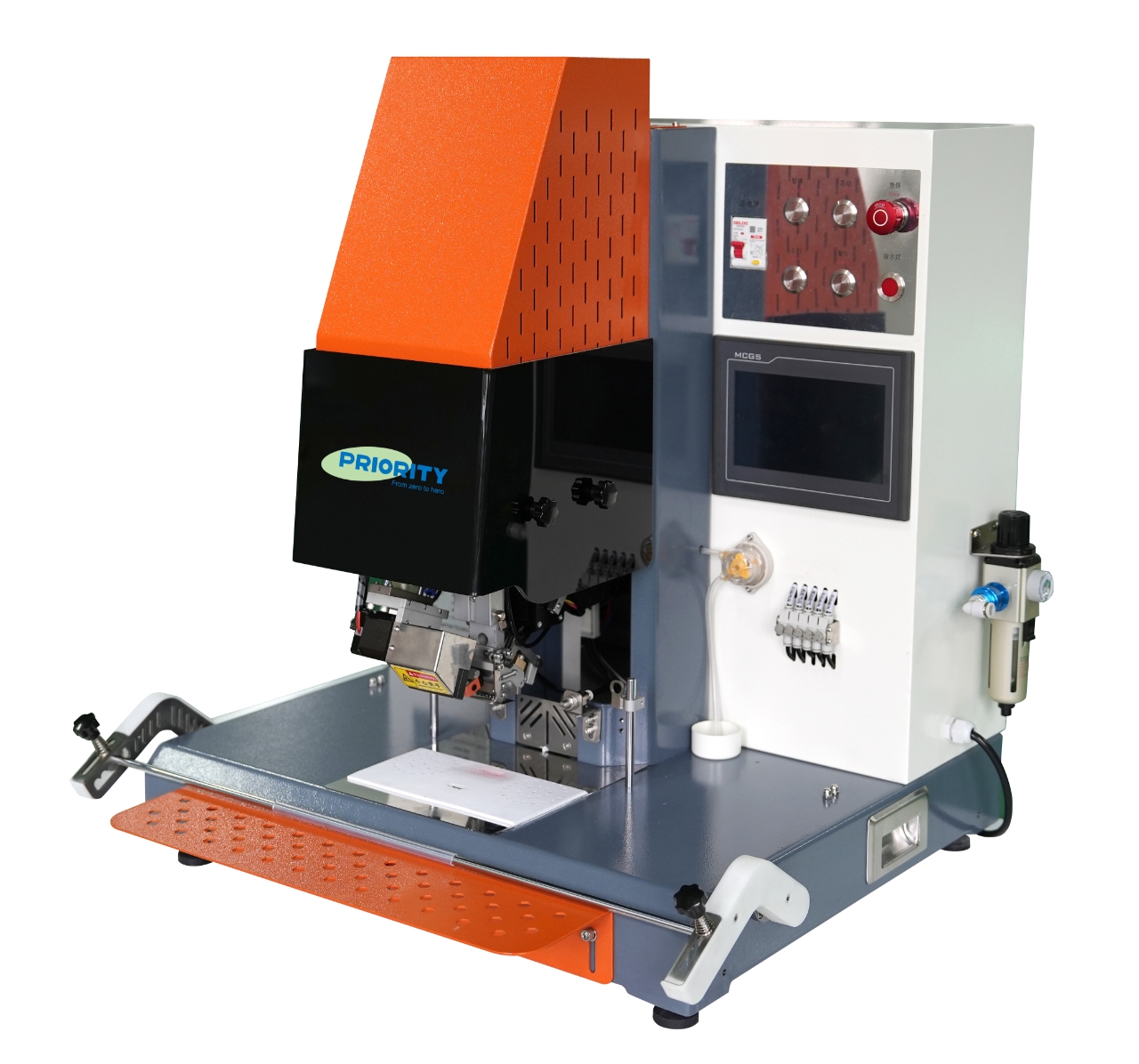
To fully grasp how these tools optimize a modern facility, we must look at the underlying technology from an engineering perspective. At its core, an automated coding unit is a precision-engineered industrial device. It is designed to imprint sequential numbers, batch codes, or expiration dates onto diverse substrates without human intervention.
Modern units leverage advanced thermal inkjet technology or high-speed continuous inkjet systems to ensure output clarity. When an item passes through the feeding conveyor, high-precision optical sensors detect the leading edge in milliseconds. This trigger commands the print head to apply the designated alphanumeric sequence instantly. For instance, top-tier industrial automatic numbering equipment can achieve crisp 600 DPI resolution at line speeds up to 120 meters per minute. This flawless synchronization between the feeding mechanism and the coding module permits these systems to operate at massive industrial scales.
Historically, businesses relied on rudimentary hand stamps or manual rotary coders. This analog era required constant operator focus. It inevitably led to uneven ink application and human errors during long shifts. Industry standards now dictate a clear shift toward high-speed, compact automation. Programmable, intelligent coding is now the absolute baseline for competitiveness in global markets.
Ignoring the limitations of manual processes leads to a slow drain on production resources. Identifying these specific pain points is the necessary first step toward justifying an equipment upgrade.
The reality of human fatigue is unavoidable. When an operator must stamp thousands of cartons, the likelihood of a mistake increases significantly as the shift wears on. A skipped number or a blurry print might seem minor. However, in strictly regulated industries, a single sequence error can necessitate the disposal of an entire shipment. You waste expensive materials and precious production time.
Manual coding represents a suboptimal use of human capital. Paying skilled employees to perform repetitive, low-skill movements drains your operational budget. By shifting these tasks to automated machinery, you stop paying for the bottleneck. You start investing in measurable speed and reliability.
Transitioning to automated technology provides immediate improvements across the factory floor. Let us examine exactly how this investment translates into operational excellence.
The most immediate advantage is raw throughput. A manual operator might manage thirty items per minute on a good day. In contrast, a high-speed automatic coding machine processes thousands of units within that same window. These machines match the aggressive cadence of high-speed conveyor belts. The numbering step stops being a roadblock.
Automated systems operate on strict programmable logic. Once the initial parameters are loaded into the interface, the processor takes full control. The system updates the code perfectly for every single passing product. This effectively erases the risk of duplicate numbers caused by human distraction.
To clearly illustrate the operational shift, consider the following performance metrics typically observed on a standardized packaging line.
Operational Metric | Manual Coding Process | Automated Numbering System |
|---|---|---|
Production Speed | 30 to 50 units per minute | Up to 120 meters per minute |
Print Quality | Inconsistent, prone to smudging | Uniform 600 DPI high-resolution |
Error Rate | High risk of duplicates and skips | Virtually zero programmable logic |
Labor Cost | Requires full-time dedicated staff | Minimal operator oversight required |
When selecting the right equipment for your environment, focus on technical specifications that guarantee long-term performance. Do not settle for basic consumer-grade models.
Your equipment must be as dynamic as your production schedule. Look for intuitive touchscreen interfaces that allow rapid switching between consecutive numbering, batch codes, and complex QR codes. Furthermore, prioritize machines that offer RS232 or USB ports. This allows the coding machine to communicate directly with your existing PLC and factory management software.
Factory floors are harsh settings defined by vibration and dust. Prioritize models built with heavy-duty aluminum chassis. Specifically, check the IP rating to ensure resistance against moisture and particulates. Additionally, verify that the system supports fast-drying solvent inks for non-porous surfaces like plastics and metals, alongside standard water-based inks for paper.
The utility of automated numbering extends far beyond simple document printing. It provides critical infrastructure support across several vital sectors.
Commercial printers use these systems daily for secure documents and multi-part invoices. In the packaging sector, these units apply serialization codes directly to individual cartons. This is vital for high-end brands actively combating counterfeiting.
Safety is the primary driver in the medical and food industries. Automated coding ensures that expiration dates and lot numbers adhere perfectly to wrappers and glass vials. In the event of a safety concern, manufacturers can instantly isolate the specific batch based on the printed sequence.
Purchasing the machine is only the first step. A structured engineering approach to implementation is essential to extract maximum value from the equipment.
Start by measuring your conveyor speed. Ensure the coding unit's encoder is calibrated to match the output rate precisely. Mount the print head at a location where the product substrate is naturally flat and stable. Guide rails are highly recommended to prevent product skewing. Finally, always process a dry run with a small sample batch to verify sensor sensitivity and ink adhesion.
Ink management dictates the lifespan of your system. Print heads must be kept free of dried residue. Establish a strict daily cleaning protocol for your optical sensors. If using solvent-based inks, ensure operators cap the print cartridges during extended downtime to prevent nozzle clogging. Empowering your team to perform these basic maintenance routines saves hours of potential downtime.
Upgrading your facility is about more than just printing faster. It is a fundamental step toward intelligent, error-free manufacturing. Replacing slow, manual processes with high-speed automated accuracy reduces your overhead drastically. It also enhances the overall reliability of your supply chain data. As global competition intensifies, integrating a robust Priority automatic numbering machine is no longer a luxury. It is a mandatory requirement for sustained growth. Evaluate your current production bottlenecks, review the technical parameters, and equip your line with the precision technology it deserves.
Industrial-grade systems are incredibly fast. Depending on the print resolution and substrate, advanced thermal inkjet coders can easily process products at speeds up to 120 meters per minute. This allows them to keep pace with the fastest commercial conveyor belts without ever causing a production delay.
These systems are highly versatile. By swapping ink cartridges, they can apply permanent codes to porous materials like corrugated cardboard and paper. They also handle non-porous surfaces perfectly, including smooth plastics, glass bottles, aluminum cans, and flexible foil packaging.
Integration is straightforward. Most industrial coders come with adjustable mounting brackets. You simply clamp the unit to the side of your existing conveyor. You then align the optical sensor to detect incoming products and adjust the print head distance to sit just millimeters away from the target surface.
Continuous Inkjet systems constantly circulate ink and use electrical fields to deflect droplets onto the product, making them ideal for curved surfaces and extreme speeds. Thermal Inkjet systems use tiny heating elements to propel ink drops. Thermal systems are generally cleaner, require zero maintenance, and offer much higher print resolutions for barcodes and text.
Not at all. While the internal engineering is highly advanced, the user interface is designed for line operators. Modern machines feature smartphone-like touchscreens and visual graphic menus. Operators can master message creation, sequence setup, and basic cartridge maintenance in a single brief training session.


