

Views: 0 Author: Site Editor Publish Time: 2026-08-28 Origin: Site


In the apparel manufacturing industry, achieving high material yield directly relies on precise equipment calibration. A properly calibrated Fabric Spreading Machine transforms raw rolls into flawless stacks ready for cutting. We often treat machine calibration as a periodic maintenance chore. However, it is actually the operational baseline you need to secure projected material savings. When operators skip vital adjustments, micro-deviations at the edges waste expensive fabric. Tension errors cause ply-shifting and create severe downstream cutting bottlenecks. Your goal is transitioning from manual guesswork to repeatable, data-backed layering accuracy. In this comprehensive guide, we explore the critical calibration zones required for optimal performance. You will learn how to handle material variability and establish strict daily procedures for your cutting room. Let us break down the exact parameters necessary to achieve peak layering precision.
Improper tension and edge-alignment calibration directly cause downstream cutting defects and material waste.
Modern automatic fabric spreaders require digital parameter profiling based on fabric characteristics (stretch, weight, thickness).
Evaluating a machine’s capability requires looking at its programmable logic controller (PLC) memory for quick-change material profiles.
Reliable implementation relies on establishing daily operator verification SOPs, not just annual vendor servicing.
Sub-optimal layering quietly drains profitability from your cutting room. Raw materials typically account for up to seventy percent of total garment production costs. Therefore, micro-deviations at the fabric edges compound quickly into massive financial losses. Imagine spreading a 100-ply stack of expensive cotton. If the edge wanders just a few millimeters per layer, operators must increase the end-loss allowance manually. This extra margin wastes expensive yardage on every single roll. Over a standard production year, these minor losses become huge financial leaks.
Uneven tension creates a severe ripple effect on CNC cutting accuracy. If a machine pulls the fabric too tightly, the material will eventually relax. This relaxation causes ply-shifting across the entire table. Rejected garments and costly downstream bottlenecks inevitably follow. You end up wasting fabric while losing valuable labor time fixing miscut panels.
To measure calibration success, you must define strict acceptable tolerances. Industry experts consider +/- 2mm edge alignment as a reliable baseline.
Key success criteria include:
Edge alignment precision: Holding lateral deviations strictly under two millimeters during operation.
Consistent tension control: Preventing fabric stretch completely during high-speed machine passes.
Zero end-loss inflation: Sticking exactly to the originally programmed marker limits.
Optimized labor hours: Reducing the time operators spend manually patting down wrinkled edges.
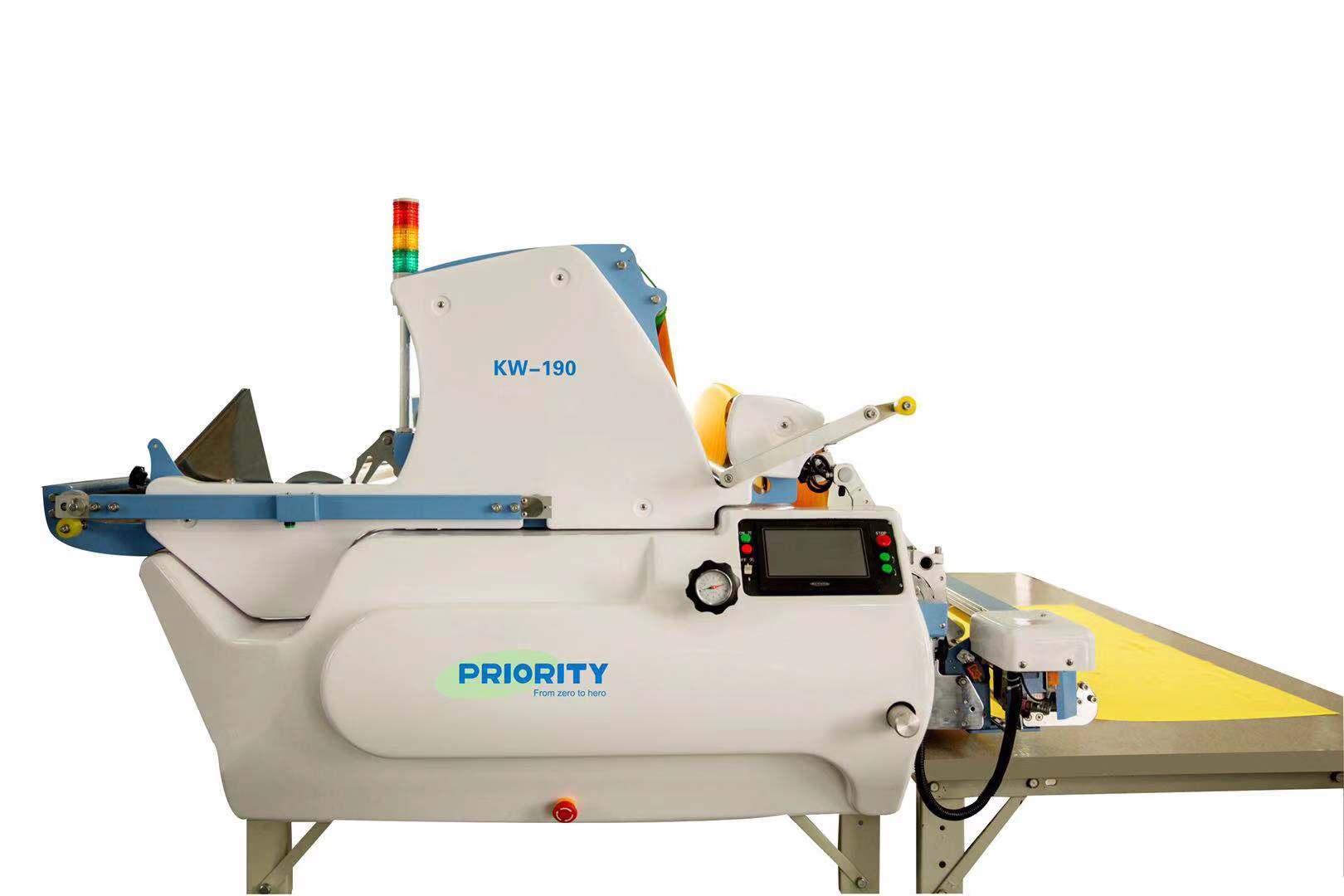
To achieve flawless layering, you must tune several critical internal mechanisms. A modern Automatic Fabric Spreader relies on interconnected sensors and advanced motors.
Different textiles demand completely different mechanical handling. You must calibrate feed rollers to match specific material elasticity profiles. Knits stretch easily and require highly sensitive, low-tension handling. Rigid wovens need firmer, more consistent tension settings. Setting dancer bar thresholds correctly prevents fabric stretching during high-speed passes. The dancer bar acts as a physical feedback loop. If it misreads the tension, the machine pulls the fabric aggressively. We recommend testing tension settings physically. You can check a single laid ply manually. If it snaps back aggressively when lifted, the tension is too high.
Perfectly flush edges eliminate unnecessary fabric waste instantly. You achieve this by aligning the infrared and photoelectric sensors properly. These sophisticated sensors constantly monitor the material selvedge. They detect slight contrast variations as the roll unwinds. You must calibrate lateral shifting mechanisms to ensure edge-on-edge precision. This careful calibration allows the machine to correct itself instantly. It completely removes the need for manual operator intervention during the spread. Clean these sensors regularly. Microscopic dust and lint directly reduce their reading accuracy.
As the fabric stack grows, the machine must adjust its height. You need to adjust the ply height sensor sensitivity accurately. If set incorrectly, the cutter box might drag heavily on the top layer. This dragging distorts the fabric and ruins the entire spread. Additionally, you must synchronize the table elevator step-down rate. The step-down rate must match your specific fabric thickness perfectly. Thick fleece requires larger incremental drops than thin silk. Proper synchronization keeps the spreading head at an optimal distance from the stack.
Factory environments are rarely perfectly controlled spaces. Textiles are organic and highly reactive materials. Successful calibration requires adapting to constant daily variability.
Establishing distinct material profiles is essential for success. You cannot use the same baseline tension for heavy denim and highly elastic lycra. Operators must dial in specific speed parameters for different fabric categories. Heavily structured fabrics can handle faster spreading speeds without distortion. Delicate or stretchy synthetics require a slower, highly monitored operational pace. Establishing these baselines reduces setup delays significantly.
Environmental variables also play a massive role in cutting accuracy. Factory humidity and temperature changes alter fabric behavior dramatically. High humidity makes cotton heavier and more prone to sticking to the table. Dry, cold winter air increases static electricity in synthetics. Because of this fabric relaxation behavior, you will likely need seasonal recalibration. Always monitor how your materials react to ambient factory conditions over time.
Even self-calibrating machines require standard operating procedures (SOPs). Operators must perform daily visual checks diligently. They should run short test spreads to verify baseline accuracy. A machine might think it operates perfectly, but dirty sensors feed it false data. Daily test-runs catch these minor discrepancies early. We suggest making sensor cleanliness verification mandatory before starting the first shift.
When upgrading your cutting room equipment, evaluate the calibration technology carefully. Not all spreading systems offer the same level of programmable control.
Assess the value of digital versus manual calibration interfaces. Traditional mechanical dial adjustments leave too much room for human error. In contrast, programmable logic controller (PLC) systems use intuitive touchscreens. They allow operators to store and recall saveable material profiles instantly. This digital approach drastically reduces setup times between different production runs.
Table Title: Digital PLC Systems vs. Manual Mechanical Dials
Feature | Digital PLC Calibration | Manual Dial Calibration |
|---|---|---|
Setup Speed | Instant recall of saved material profiles | Slow, trial-and-error physical adjustments |
Precision Level | Highly accurate to the exact millimeter | Relies heavily on subjective operator judgment |
Repeatability | Perfectly consistent across multiple batch runs | Prone to daily human variation and error |
Training Required | Minimal after basic touchscreen interface familiarization | Requires extensive mechanical experience and feel |
Next, evaluate sensor redundancy and machine error handling. How does the machine behave when internal calibration fails? Some older machines continue spreading defective layers blindly. Advanced equipment features automatic safety shut-offs. If a sensor fails or detects an uncorrectable edge shift, the machine halts. This immediate stop prevents massive material waste and protects your profit margins.
Finally, review the vendor support architecture thoroughly. You should shortlist vendors based on their initial on-site setup Service Level Agreements (SLAs). Strong operator training protocols are absolutely non-negotiable. Ensure they offer robust remote diagnostic capabilities. Remote diagnostics allow technicians to troubleshoot PLC calibration errors without visiting your facility.
Reactive recalibration usually happens after an error ruins a fabric batch. Preventative maintenance stops the error from occurring in the first place. You must transition your team to a proactive mindset.
Your operators need a strict daily maintenance checklist. They must clean photoelectric sensors meticulously before starting operations. Checking encoder belts for proper tension prevents disastrous tracking errors. Clearing lint from track wheels keeps the machine moving smoothly along the table. Lint build-up causes microscopic bumps. These bumps disrupt edge alignment and trigger false sensor readings.
Schedule monthly technical reviews for deeper internal calibrations. You must verify cutter blade synchronization regularly. Lubricating the guide rails ensures frictionless lateral shifts during operation. Checking tension motor feedback loops confirms the software and hardware communicate correctly.
Chart Title: Preventative Maintenance Schedule Matrix
Maintenance Task | Frequency | Responsible Party | Impact on Calibration |
|---|---|---|---|
Wipe photoelectric sensors | Daily | Machine Operator | Maintains edge alignment reading accuracy |
Clear lint from track wheels | Daily | Machine Operator | Prevents tracking stutter and machine vibration |
Verify cutter blade sync | Monthly | Maintenance Technician | Ensures clean end-cuts without fabric pulling |
Lubricate guide rails | Monthly | Maintenance Technician | Keeps lateral shifting mechanism highly responsive |
Check encoder belts | Quarterly | Vendor / Senior Tech | Guarantees accurate distance measurement for layers |
We must acknowledge some transparent assumptions regarding hardware lifespan. Electronic sensors degrade naturally over time. Their baseline sensitivity will drift after thousands of operational hours. You should proactively budget for regular consumable replacements. Replacing aging sensors is the only way to maintain day-one accuracy over the long term.
Accurate fabric layering is an ongoing operational commitment. It relies equally on advanced machine capabilities and strict daily SOPs. You cannot achieve optimal material yields through occasional maintenance alone.
To secure the best results in your cutting room, follow these steps:
Test before you buy: Always bring specific, high-risk fabric samples to vendor demonstrations. High-stretch synthetics will instantly reveal a machine's true calibration ease.
Empower your operators: Transition your team from manual adjusters to system monitors. Train them to utilize PLC digital profiles effectively.
Audit your waste: Evaluate your current cutting room waste metrics today. Compare your existing end-loss allowances against the strict tolerances of automated solutions.
Standardize cleaning: Implement mandatory shift-start sensor cleaning protocols to protect baseline accuracy.
Schedule diagnostics: Pre-book quarterly technical reviews to catch sensor drift before it affects production.
By taking these actions, you will transform calibration from a technical chore into a measurable competitive advantage.
A: Baseline checks must happen daily. Operators should verify sensor cleanliness and run a short test spread. Comprehensive mechanical recalibration is typically required quarterly. You should also perform a deep recalibration when switching between drastically different fabric classes.
A: Yes. If tension control is improperly calibrated, the machine stretches the fabric during spreading. Once the material is cut, it will eventually relax and shrink. This relaxation distorts the pattern pieces and ruins the final garment assembly.
A: Static alignment relies purely on physical guides to keep the roll straight. Dynamic alignment uses highly calibrated sensors and intelligent motors. These electronic components continuously monitor and adjust the roll position mid-spread to ensure perfect edges.
A: No. While PLC memory profiles reduce setup time by 90%, a short test spread remains essential. Ambient conditions and batch-to-batch fabric variations alter material behavior. A quick physical test verifies that the digital profile matches reality.


