

Views: 0 Author: Site Editor Publish Time: 2026-08-28 Origin: Site


Mismatching roll dimensions to spreading equipment creates severe production bottlenecks across modern factory floors. Facilities often experience sudden motor burnout and excessive material waste in apparel and textile manufacturing. This specific problem stems from ignoring precise physical and structural limits. As facilities transition from manual spreading to automation, evaluating the exact roll size capacity becomes critical. You must calculate ROI accurately and avoid massive infrastructure overhauls down the line. We designed this guide to provide a technical, objective framework for your facility. We help you evaluate machine capacities based on width, diameter, weight, and material behavior. You will learn exactly how to match your textile properties to the right automated equipment. Ultimately, this knowledge guides final purchasing decisions and ensures smooth, continuous factory operations.
Weight Constraints: Standard machines handle rolls between 50 kg to 100 kg, while heavy-duty industrial models can manage 250 kg+.
Width & Diameter Limits: Usable widths typically range from 1.5 meters (apparel) to over 3.2 meters (home textiles/automotive), with standard maximum roll diameters around 40 cm to 60 cm.
Infrastructure Impact: Buying for maximum roll size requires secondary investments in automated loading equipment and reinforced spreading tables.
Material Variables: An automatic fabric spreader’s capacity isn't just about physical dimensions; fabric tension, stretch, and edge characteristics dictate the true operational limits.
Standard apparel specifications usually support rolls weighing between 50 kg to 100 kg. Technical and heavy textiles demand upper limits between 150 kg and 300 kg. These heavier loads fundamentally require dual-motor drive systems to function properly. We must apply a strict evaluation lens when assessing these weight classes. Pushing a machine to 100% of its weight limit constantly degrades servo motors. Rollers and internal drive belts will also fail much faster under continuous extreme stress. You should target a machine where your average roll utilizes roughly 70-80% of max capacity. This buffer protects your investment and drastically reduces maintenance interventions.
When you evaluate a Fabric Spreading Machine, weight distribution matters just as much as absolute mass. A 100 kg roll of tightly wound denim behaves differently than 100 kg of loose fleece. Engineers design standard chassis components to handle specific kinetic energy loads during movement. Sudden stops or starts multiply the effective force pushing against the chassis. Always account for this dynamic weight during high-speed operations. Overloading lighter equipment causes the frame to vibrate. This vibration ultimately destroys any hope of achieving accurate edge alignment.
Market standards for equipment widths typically hit 160 cm, 180 cm, 200 cm, 220 cm, and scale up to 320+ cm. The core sizing rule here is entirely non-negotiable for manufacturers. The machine's usable spreading width must slightly exceed your maximum fabric width. However, your cutting table must be wider than the machine's external footprint. You cannot mount a 200 cm machine on a 180 cm cutting table.
Do not confuse actual fabric width and the machine's total physical footprint. A spreader rated for 180 cm fabric might require a 200 cm or 210 cm table track. Check the manufacturer's technical drawings carefully before making structural changes. If your facility produces wide-format home textiles, a 320 cm system becomes mandatory. Running extremely narrow rolls on very wide machines is technically possible but highly inefficient. Try to align your standard production widths closely to the machine limits to optimize floor space.
Standard diameter capacity usually spans 400 mm to 600 mm across commercial models. Exceeding OD limits causes direct, damaging friction against the machine chassis. This unwanted contact alters tension control completely and ruins material relaxation. It also causes severe edge-alignment errors because the roll cannot spin freely. If the fabric rubs against metal guards, you risk staining or tearing the outer layers.
Outer diameter directly dictates how high the center of gravity sits on the machine. Large OD rolls become highly unstable if the feeding cradle lacks sufficient depth. Pay close attention to clearance measurements under all safety bars and sensor mounts. If a roll expands due to high humidity, it might jam unexpectedly during a cycle. Always measure your largest delivered rolls before finalizing your equipment specifications. A simple diameter miscalculation can render a brand-new machine completely unusable for specific fabric batches.
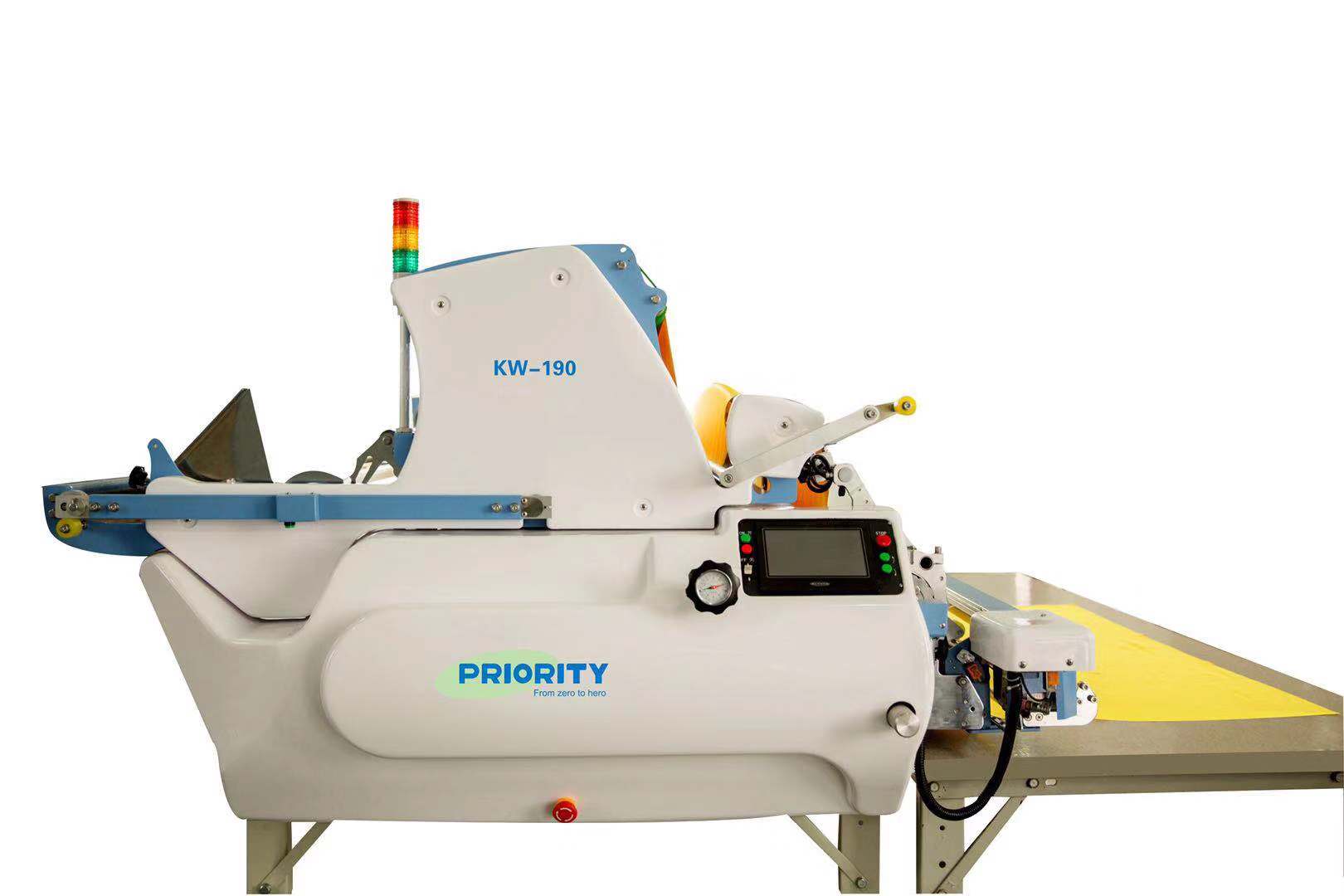
These agile machines excel in fast fashion, knits, lightweight wovens, and lingerie manufacturing. The operational trade-offs are specific and require careful consideration. You get highly precise tension control tailored for delicate, stretchy fabrics. However, motors will undoubtedly fail if repeatedly subjected to heavy denim or upholstery rolls. The structural integrity simply cannot support massive kinetic loads.
Light-duty models prioritize agility and rapid directional changes. They accelerate quickly and reverse direction smoothly to maximize daily output. Manufacturers deliberately use lighter aluminum frames to reduce inertia during these fast cycles. This makes them ideal for stretchy spandex blends and thin cottons. Do not force them into heavy-duty applications to save on initial capital costs. Replacing burned-out servo motors wipes out any upfront financial savings almost immediately.
These robust systems are best for denim, automotive textiles, non-wovens, upholstery, and technical fabrics. You must verify several key mechanical features before shortlisting these machines. Look closely for cradle feed systems rather than basic bar feeds. Cradles distribute immense weight evenly across synchronized feeding belts. You also need heavy-duty edge-alignment sensors and a heavily reinforced steel chassis.
The cost reality naturally involves higher upfront capital expenditure for your facility. However, this wise investment prevents costly downtime in demanding industrial environments. It minimizes machine fatigue and prevents the structural warping common in cheaper units. Industrial models often feature reinforced steel frameworks and heavy-duty casters. They utilize specialized gearboxes engineered to handle massive torque requirements without overheating.
Specification Feature | Standard/Light-Duty Models | Heavy-Duty Industrial Models |
|---|---|---|
Optimal Weight Range | 50 kg – 100 kg | 150 kg – 300+ kg |
Typical Fabric Types | Knits, Lingerie, Silk, Light Wovens | Denim, Upholstery, Automotive, Canvas |
Feeding Mechanism | Bar/Tube Feed or Light Cradle | Synchronized Heavy-Duty Belt Cradle |
Chassis Construction | Aluminum / Light Steel | Reinforced Structural Steel |
Drive System | Single Servo Motor | Dual High-Torque Servo Motors |
A large, heavy roll of high-lycra knit poses unique mechanical challenges. It requires specialized cradle belts to unroll safely without stretching the fibers. Size capacity becomes completely irrelevant if the machine cannot manage dimensional stability. You must ensure the fabric relaxes naturally as it hits the spreading table. If the machine pulls the fabric, the cut pieces will shrink later. Look specifically for positive-feed roller systems. They actively unwind the material to eliminate pulling forces entirely.
Poorly wound rolls artificially increase the effective width of the material during operation. Buyers must verify the edge control sensor capabilities before making a purchase. These optical sensors need sufficient stroke capacity to correct severe telescoping automatically. This capability becomes especially critical when dealing with large-diameter rolls. A standard sensor might track 3 cm of variance successfully. A bad telescoping roll could easily shift 8 cm off center. If the stroke is too short, the machine halts production constantly to await manual correction.
Heavier, synthetic rolls generate significant static electricity during the rapid unwinding phase. They also create intense mechanical friction, which alters feeding speeds unpredictably. You will require specialized anti-static bars to mitigate this issue effectively. Smooth-feed rollers are equally important to keep the surface intact. High static cling causes fabric layers to stick together on the cutting table. This compromises the spreading quality entirely and ruins the subsequent cutting phase. Adding ionizers directly above the unwinding zone resolves most static-related feed issues quickly.
Heavy rolls simply cannot be loaded manually by your floor staff. Factoring in the cost and floor space for automated roll loaders is absolutely mandatory. Heavy-duty lifters prevent severe workplace injuries and subsequent liability claims. Do not expect operators to muscle 150 kg rolls into precise positions safely. You must integrate hydraulic lifting platforms or overhead cranes into your facility. These loaders sync directly to the Automatic Fabric Spreader to streamline daily workflows efficiently.
A 250 kg fabric roll combined with a 300 kg spreading machine exerts massive dynamic force. Standard wooden cutting tables will warp instantly under this immense localized stress. You require heavily reinforced steel-frame tables to support these extreme industrial weights. Air-flotation surfaces are also highly recommended to assist operators in moving the heavy plies later. When the machine accelerates, the downward force spikes significantly through the table legs. Always check your facility's floor loading capacity before installing heavy-duty spreading tables.
Larger machine widths dictate much wider spreading tables across the production floor. This directly eats into valuable factory floor space and reduces overall walkway capacities. It can severely impede forklift movements or material transport pathways around the cutting room. Measure your main transport corridors carefully before committing to a 3-meter machine. A 3-meter wide roll needs massive clearance just to navigate the facility doors. Plan your factory layout meticulously to accommodate these large turning radiuses safely.
Document the 95th percentile of your current and projected roll specifications meticulously. Track weights, widths, and diameters carefully over a typical 30-day production cycle. Do not buy solely for the 1% outlier roll that occasionally enters the facility. Outsourcing that rare oversized job is almost always cheaper than over-equipping your factory. Focus your budget entirely on the core bulk of your daily production needs. This ensures you pay for capabilities you will actually use every single shift.
Decide decisively between a cradle feed and a traditional bar/tube feed system. A cradle feed works much better for heavy, delicate, or highly stretchy fabrics. It cradles the material on synchronized belts, removing tension from the roll core. A bar feed proves perfectly sufficient for lighter, highly stable wovens like basic cotton. Match the feed style strictly to your dominant fabric types to ensure optimal quality. Choosing the wrong feeding mechanism guarantees persistent tension issues.
Verify all safety certifications like CE or UL standards for heavy load handling. Industrial safety is critical when moving 200 kg rolls above table height. You must also audit the vendor's service level agreements thoroughly. Check their documented SLA for replacement parts specifically. Heavy-duty drive belts and servo motors naturally endure heavy wear and tear. Rapid part availability prevents extended factory downtime and protects your delivery schedules.
Demand a live operational test before signing any purchase agreements. Supply your heaviest, most difficult-to-handle fabric roll for this physical trial. Use it to validate tension control capabilities under real-world stress conditions. Verify the edge alignment claims firsthand rather than trusting marketing brochures. A successful PoC completely eliminates purchasing guesswork and validates true machine capacity. Watch how the machine behaves when stopping abruptly with a full roll loaded.
Selecting the right fabric handling equipment requires balancing absolute physical limits against real-world operational realities. You must weigh width, diameter, and weight capacities heavily against your specific material types. Factory infrastructure, including table strength and aisle width, also dictates what you can realistically install. By ignoring these structural limits, factories risk rapid equipment degradation and severe workflow disruptions. Taking a methodical approach ensures your automation investments yield maximum efficiency without hidden infrastructure costs.
Conduct an internal audit of all raw material physical specifications immediately.
Evaluate your factory floor structural limits and table load-bearing capacities.
Determine if secondary lifting equipment is necessary to protect your workforce.
Define your acceptable tension tolerances based strictly on material stretch data.
Contact vendors for technical quotes only after compiling these core operational metrics.
A: Generally, no. Weight capacity is dictated by the fundamental chassis, motor torque, and structural design. Attempting to upgrade a light machine causes frame warping and rapid motor failure. You must purchase equipment engineered specifically for heavy-duty industrial loads from the start to ensure factory safety and equipment longevity.
A: A bar feed requires inserting a metal rod directly through the roll core, which is difficult for heavy rolls. Cradle feeds support the entire weight of the roll from underneath on synchronized belts. This makes them ideal for heavy and large-diameter rolls while preventing core damage and fabric distortion.
A: Yes. While standard speeds average 80-100 meters per minute, spreading heavy or large-diameter rolls often requires operating at noticeably lower speeds. This slower pace is entirely necessary to maintain precise edge alignment and prevent momentum-based overfeeding, which ruins layer accuracy and increases material waste.
A: The roll will rub directly against the machine's safety guards or internal structural bars. This unwanted contact destroys tension control, damages the fabric face, and causes severe layer misalignment. It can also potentially trigger emergency stop sensors, leading to constant production halts and compromised output quality.


