


Views: 0 Author: Site Editor Publish Time: 2026-07-14 Origin: Site


Raw down represents one of the most expensive inventory items on any manufacturing floor. Managing it inefficiently drains profitability faster than almost any other operational bottleneck. You must treat the acquisition of a down filling machine not merely as a capacity upgrade, but as a critical yield-protection strategy. Reducing "giveaway" or overfilling protects your profit margins directly. Every single gram counts when processing high-fill-power materials.
This article provides operations managers and procurement teams with a clear, vendor-neutral framework. We will help you evaluate, shortlist, and implement automated filling infrastructure. You will learn how to balance precision with speed while ensuring maximum return on your automation investment. We will explore how to categorize machines by production fit and integrate them seamlessly into your existing facility.
Precision dictates ROI: Upgrading to automated weighing (accurate to 0.01g) typically recovers its capital cost through raw material savings alone within 12–18 months.
Application defines the architecture: The ideal configuration differs drastically between small-batch, highly variable outerwear lines and continuous-run home textile operations.
Hidden operational costs: Evaluating low power consumption, compressed air requirements, and dust-extraction efficiency is as critical as assessing raw output speed.
Vendor viability: Global post-sale support, standardized parts availability, and compliance certifications (CE/UL) should disqualify vendors before technical specs are even reviewed.
Material yield directly combats rising labor costs in modern garment production. Manual volumetric filling relies heavily on operator judgment. It naturally causes high variance between products. Human fatigue inevitably leads to scaling errors throughout a long shift. To avoid customer complaints about flat outerwear, operators usually overfill each segment. We call this excess material "giveaway." Overfilling quickly destroys your profit margins.
Automated gravimetric weighing changes this operational dynamic completely. A modern down filling machine weighs material to exact tolerances. You measure the return on investment through raw material saved rather than just labor reduced. Let us examine the mathematics behind this metric. Imagine saving just two grams of giveaway per baffle. A standard winter jacket typically contains ten baffles. You instantly save twenty grams per jacket. Across a 10,000-unit production run, they save 200 kilograms of raw material. If premium down costs $50 per kilogram, you immediately recover $10,000.
Modern order profiles also demand extreme agility on the factory floor. Fast-fashion and small-batch manufacturing require quick turnarounds. You cannot afford hours of downtime between styles. Factory floors need machines allowing fast changeovers. Switching from a 700-fill to a 900-fill grade must happen quickly. You must prevent cross-contamination between different material grades. Automated systems feature self-purging cycles. They allow your operators to transition between diverse orders in minutes.
Different consumer products require entirely different automation architectures. You cannot use the same equipment for heavy sleeping bags and intricate fashion vests. Understanding your primary application defines your ideal machine configuration.
Single and double-port machines work best for apparel manufacturing. They excel at small-batch production lines. Vests, jackets, and high-complexity garments feature multiple small baffles. A specialized down filling machine offers highly agile nozzle swapping. You can change nozzles quickly for different garment sections. Precise micro-dosing becomes absolutely critical here. Some collar baffles require exactly three grams of material. Success depends heavily on easy cleaning processes. Operators often change garment models multiple times per shift.
Home textile operations require a vastly different mechanical approach. Continuous-run manufacturing demands heavy-duty, multi-port infrastructure. Duvets, pillows, and sleeping bags contain massive volumes of material. You need automated lines designed for sustained output. Integrating a Home Textile Quilt Filler handles high-volume baffling efficiently. It ensures perfectly uniform weight distribution across massive duvet panels.
Speed serves as the operational baseline for profitability in textiles. A High Speed Home Textile Filling Machine establishes a continuous production rhythm. These advanced systems feature automated continuous feeding mechanisms. Automated fabric clamping reduces manual handling errors entirely. Conveyor integration moves bulky items quickly through the workstation. They keep the raw material flowing without operator bottlenecks.
Evaluation Criteria | Apparel & Small Batch Lines | Home Textile Production Lines |
|---|---|---|
Target Products | Jackets, vests, fashion garments | Duvets, pillows, sleeping bags |
Port Configuration | Single or Double-Port | Multi-Port (4 to 8+ ports) |
Weight Requirements | Micro-dosing (1g - 50g per baffle) | Macro-dosing (100g - 1000g+ per panel) |
Core Advantage | Agility, rapid model changes | Continuous speed, conveyor integration |
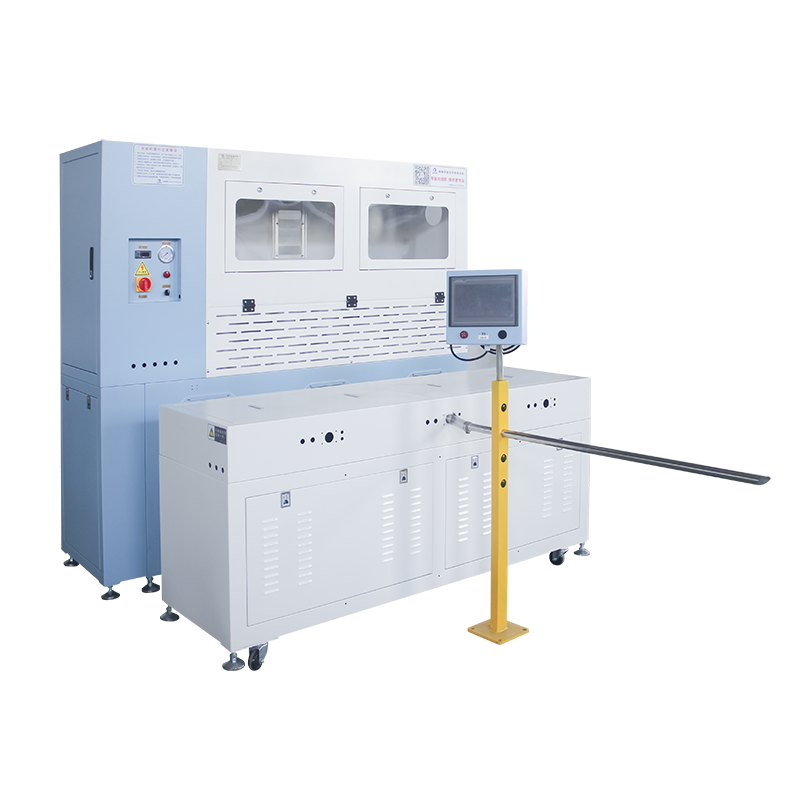
Evaluating the technical specifications separates premium machines from average alternatives. You must look past the marketing brochures. Focus entirely on performance metrics that directly impact your product quality.
Weighing Technology & Speed: You must assess load cell sensitivity carefully. Response time dictates overall operational speed. However, you face a strict trade-off here. High-speed filling must never compromise accuracy. A tolerance of ±0.01g represents the accepted industry standard. If rapid output causes load cell vibrations, accuracy drops immediately. You will start overfilling garments again to compensate.
Air Pressure & Material Handling: Examine exactly how the equipment transports raw material. High-velocity air can severely damage delicate clusters. Broken clusters lose their natural loft. This mechanical damage directly reduces the final fill power. You should demand variable fan controls. Gentle air streams protect material integrity during transit.
Dust Control & Environment: Environmental factors play a massive role in facility safety. Dust control protects your workers from respiratory issues. Enclosed systems prevent airborne particulates entirely. Vacuum extraction capabilities capture stray feathers immediately at the nozzle. This ensures strict facility compliance with labor regulations.
Power Consumption & Efficiency: Power consumption impacts your manufacturing overhead directly. Energy-efficient servo motors use electricity only when actively moving. Low-power standby modes cut energy waste during fabric positioning. Reducing overall kW/h overhead makes your factory more sustainable and profitable.
Installing a down filling machine requires careful facility preparation. You cannot simply drop the equipment onto the factory floor. Proper implementation requires comprehensive space mapping.
Map out your true space requirements early. These machines need significant square footage. You must accommodate large down storage boxes nearby. Compressors require separate placement to isolate vibration and noise. Operators need ample space for maneuverability around the nozzle station. Cramped workspaces lead to awkward handling and slower production times.
Infrastructure prerequisites demand careful engineering planning. Stable voltage prevents load cell calibration errors. Voltage fluctuations will ruin your micro-dosing accuracy. You must supply clean, dry compressed air. Moisture in air lines clumps the feathers together. Clumped material clogs precision nozzles instantly. HVAC considerations matter deeply for dust-managed rooms. You need adequate ventilation to support the machine's internal vacuum systems.
Operator training dictates your eventual production success. Evaluate the Human-Machine Interface (HMI) carefully. Does it support multi-language localizations? Diverse workforces need intuitive touch screens in their native languages. You should ask about recipe storage capabilities. Can operators store pre-set baffling patterns? Quick recall during seasonal line changes saves hours of manual reprogramming.
Selecting the right vendor protects your capital investment. You need a reliable partner, not just a hardware supplier. Follow strict due diligence protocols before signing any purchase orders.
The Test Run Requirement: We strongly enforce the test run requirement. Never purchase equipment blindly. Send a sample of your exact fabric to the vendor. Include your specific material grade. Run these elements through their demo unit. You must check for static cling. Static causes severe leakage during the fill cycle.
Compliance and Safety Standards: Verify all compliance documentation thoroughly. CE or UL certifications prove basic engineering safety. Local regional manufacturing certifications prevent future legal liabilities. Non-compliant machines risk voiding your factory insurance policies.
After-Sales Infrastructure: Examine their after-sales infrastructure closely. Map out the vendor's regional service network. Machine downtime costs you thousands of dollars per day. They must offer local technician dispatch.
Standardized Replacement Parts: Require complete transparency on wear-and-tear parts. Nozzles, load cells, and hoses degrade over time. Verify they use standardized industrial brands. Proprietary components trap you into expensive, delayed replacements. You want parts you can source locally in an emergency.
The right down filling machine transforms your production floor. It transitions raw material handling from a volatile liability into a controlled, predictable asset. Automated gravimetric weighing eliminates human error and protects your expensive inventory. You empower your workforce to produce high-quality garments and textiles consistently.
We advise buyers to look far beyond the initial purchase price. Prioritize material savings, daily energy usage, and ongoing maintenance efficiency. A cheaper machine that wastes two grams per baffle costs vastly more in the long run. Evaluate vendors based on their ability to support your growth.
Your next step requires structured communication. Draft a clear Request for Information (RFI). Include your specific production volumes, factory floor constraints, and exact material types. Send this RFI to your shortlisted vendors. Demand test runs and hold them accountable to strict accuracy tolerances.
A: Modern systems utilize automated purge and cleaning processes. A high-quality machine allows complete material changeover in 15 to 30 minutes. This rapid turnaround effectively prevents cross-contamination and supports the agility required for small-batch manufacturing.
A: The payback period depends heavily on your current material waste rate and local labor costs. However, standard payoff periods range from 8 to 18 months. The massive reduction in raw material "giveaway" drives this rapid return on investment.
A: Technically yes, via specialized nozzle adapters. However, we do not recommend it. Quilt machines are structurally optimized for macro-weights and continuous, high-volume speed. Apparel manufacturing requires extreme micro-precision and baffle agility that large machines struggle to accommodate.
A: Operators should perform zero-tare checks daily before starting their shift. Professional calibration is typically required on a monthly basis. This interval varies depending on your overall cycle volume and the level of vibration present on your factory floor.


