

Views: 0 Author: Site Editor Publish Time: 2026-07-14 Origin: Site


Handling down and feathers presents a fundamental manufacturing challenge. It is a highly volatile and extremely expensive raw material. Minute variations in product weight lead to severe consequences. You face either margin erosion from overfilling or brand damage from underfilling. Traditional volumetric methods often fail spectacularly here. You cannot easily measure down by volume due to its extreme sensitivity. Ambient humidity, static electricity, and physical compression distort traditional measurements. Factory operators usually struggle to maintain consistent production batches manually.
However, modern manufacturing offers a precision-engineered solution. A down filling machine completely shifts this weight control dynamic. It moves the process from human estimation to data-driven, automated calibration. We will explore how these advanced systems leverage net-weight technologies and precise airflow management. You will learn how they neutralize environmental variables easily. They ensure reliable batch-to-batch consistency seamlessly. Ultimately, you will discover how these precision tools protect your profit margins.
Modern down filling relies on precision load cells and net-weight technologies, eliminating the guesswork of traditional volumetric methods.
Advanced airflow management and anti-static systems neutralize environmental variables that traditionally skew fill weights.
Real-time feedback loops continuously adjust fill parameters, ensuring batch-to-batch consistency without manual intervention.
Investing in a fully automatic home textile quilt filler directly impacts ROI by minimizing material giveaway (overfilling) and reducing labor costs.
Overfilling poses a massive hidden cost for apparel and textile manufacturers. High-fill-power down operates as a premium global commodity. When legacy equipment lacks precision, operators typically overcompensate. They add extra down to avoid underfilling penalties. A modest 2% to 5% overfill per jacket or duvet compounds rapidly over a production run. If you manufacture ten thousand units annually, giving away an extra five grams per unit consumes fifty kilograms of premium material. This excess directly erodes your gross margins. Precision equipment stops this slow financial leak instantly.
Underfilling introduces severe regulatory and consumer trust risks. Global textile regulations mandate strict law labels. The physical product weight must match the declared label weight within tight tolerances. Failing to meet these standards invites retail chargebacks. Retailers often audit incoming shipments. They will reject entire batches if they discover systemic underfilling. Furthermore, consumers notice defective loft. An underfilled baffle creates cold spots in winter garments. This failure leads to negative reviews and permanent brand damage. Reliable weighing eliminates these quality assurance nightmares.
Older manufacturing setups force a painful choice. Operators must choose between production speed and acceptable accuracy. Traditional machines rely on timers or augers. If you run them quickly, weight consistency plummets. Operators must stop frequently to manually weigh items on external scales. They then manually add or remove pinches of feathers. This slow rework creates severe bottlenecks. High-demand seasonal production grinds to a halt. You lose agility when your workforce spends time fighting equipment inaccuracies instead of assembling products.
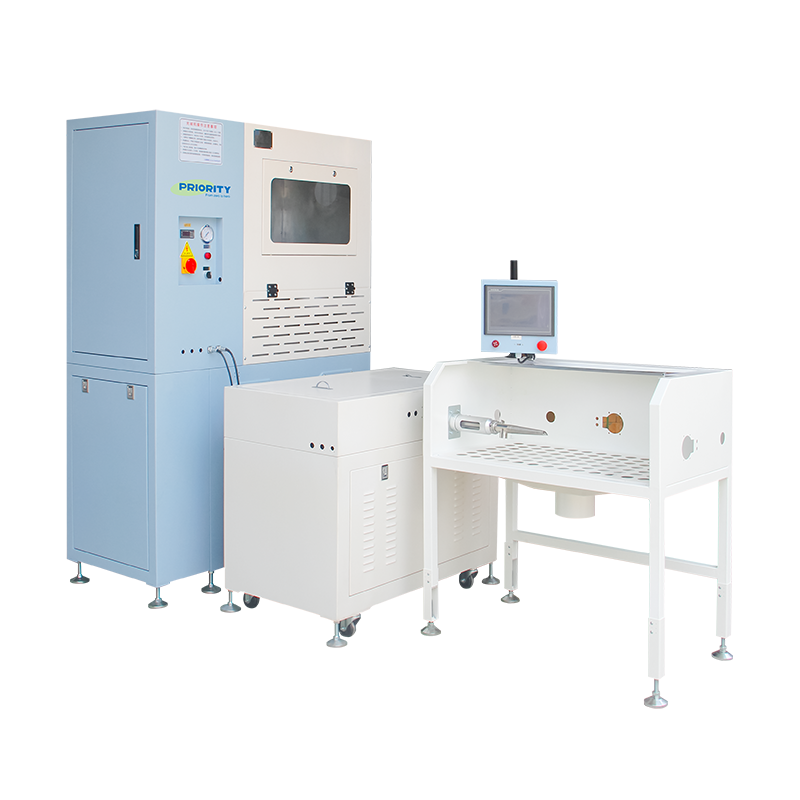
Volumetric filling measures materials by physical space. This method works well for liquids or dense powders. It fails entirely for feathers. Down loft varies based on compression and storage time. A one-liter volume of down might weigh ten grams today and eight grams tomorrow. Modern systems discard volumetric guessing. They utilize high-resolution load cells instead. These cells measure the actual mass. We call this Net Weight filling. The system isolates the targeted weight inside a weighing chamber. It verifies the exact gram weight before dispensing the material into the textile shell.
Weighing Technology Comparison Matrix
Feature | Volumetric Filling | Net Weight Filling |
|---|---|---|
Measurement Basis | Physical volume (space) | Actual mass (grams/ounces) |
Material Density Sensitivity | Highly sensitive. Errors increase if density changes. | Immune. Mass remains constant regardless of density. |
Precision Tolerance | Typically ±5.0g to ±10.0g | Usually ±0.1g to ±0.5g |
Operator Intervention | Requires frequent manual test-weighing. | Automated via load cells. |
Moving delicate feathers requires specialized engineering. Mechanical augers crush down clusters. Crushed clusters lose their insulating properties. Precision machinery uses controlled pneumatic airflow and vacuum transport instead. High-velocity fans pull the material from bulk silos into temporary storage boxes. Carefully calibrated air valves then guide the material into the weighing hoppers. This gentle airflow prevents dense clumping. It maintains an even material distribution. Consistent material flow directly improves the speed and accuracy of the load cells.
Modern equipment relies heavily on intelligent algorithms. The machine does not just weigh the material once. It utilizes real-time software feedback loops. The system dispenses a targeted amount and evaluates the result instantly. It calculates micro-deviations down to fractions of a gram. If the system dispenses 0.2 grams too much, the software detects it immediately. It recalibrates the valve closure timing for the very next cycle. This continuous self-correction guarantees tight batch-to-batch consistency. It removes human error from the equation entirely.
Down naturally generates significant static electricity. Feathers rub against pipes and storage bins during transport. The friction builds a static charge. Highly charged down clings stubbornly to weighing hoppers and delivery nozzles. This clinging throws off scale readings. It causes clumps to drop unpredictably into garments. High-end automated equipment integrates industrial ionizers. These devices flood the chambers with neutralizing air. Some setups also use controlled-humidity enclosures. Neutralizing static ensures a smooth, predictable flow rate. It keeps the load cells reading accurately.
End-users often confuse fill power and fill weight. Product communities debate these terms constantly. Fill power measures the loft or the insulating space a specific amount of down occupies. Fill weight measures the actual physical mass. An 800-fill-power batch expands significantly more than a 600-fill-power batch. This reality confuses legacy machines. However, advanced weighing mechanisms ignore loft entirely. A highly sensitive load cell knows ten grams is exactly ten grams. The physical volume does not trick the net-weight sensors. Your labels remain perfectly accurate across all product tiers.
Factory environments fluctuate wildly. Morning shifts might be cold and dry. Afternoon shifts become hot and humid. Factory doors open and close, altering ambient air pressure. These subtle environmental shifts affect highly sensitive weighing components. The baseline zero of a sensor can drift under pressure changes. Top-tier machinery accounts for these factory fluctuations automatically. The software continuously samples ambient conditions. It re-zeros the scales dynamically between filling cycles. This prevents invisible environmental drift from sabotaging your production run.
Evaluating machine architecture is critical for scaling operations. A Fully Automatic Home Textile Quilt Filler often features complex delivery layouts. You must assess dual-port versus quad-port setups carefully. A multi-port system serves multiple operators simultaneously from a central material hopper. It dramatically increases overall facility throughput. However, throughput means nothing without accuracy. Quality machines dedicate independent load cells to every single port. This isolation ensures one operator's rapid pace does not disrupt the precision of an adjacent weighing chamber. You maintain individual baffle accuracy at high speeds.
Throughput Configuration Impact Chart
Configuration Type | Operator Capacity | Ideal Production Scenario | Scale Independence |
|---|---|---|---|
Single-Port | 1 Operator | Bespoke samples, low-volume custom outerwear. | Dedicated scale |
Dual-Port | 2 Operators | Standard seasonal runs, sleeping bags, basic apparel. | Independent load cells per port |
Quad-Port | 4 Operators | High-volume home textiles, mass-market quilts. | Independent load cells per port |
Agility defines modern manufacturing success. Facility managers change product lines frequently. You might produce winter duvets in the morning and summer quilts in the afternoon. Manual reconfiguration wastes hours. It also invites devastating human error during data entry. You must prioritize equipment featuring robust programmable logic controllers (PLC). Excellent PLC software stores hundreds of unique product "recipes". An operator selects a recipe from the touchscreen. The system instantly applies the specific target weights for every single quilt chamber. This usability ensures flawless changeovers in mere seconds.
A new filler does not operate in a vacuum. It must communicate cleanly with your factory floor. When assessing a machine, evaluate its connectivity.
Upstream material handling: Ensure the machine connects seamlessly to your bulk down storage silos. Automated vacuum lines should pull material on demand.
Downstream synchronization: The delivery speed must match the pace of your sewing stations. Bottlenecks cause idle labor.
Data export capabilities: Quality control teams need log files. Ensure the machine exports daily accuracy reports for compliance tracking.
You must banish the "set and forget" myth from your facility. Even the best industrial sensors experience mechanical drift over time. Vibrations from nearby stamping machines or forklifts subtly affect scale calibration. You must implement routine load-cell calibration procedures. Maintenance teams should use certified test weights daily. They place known weights into the chambers and verify the software output. Correcting a tiny 0.1g drift early prevents massive compliance failures later. Regular zeroing procedures maintain the pristine baseline accuracy you purchased.
Feathers naturally shed microscopic dust particles. Over hundreds of production hours, this organic dust accumulates. It coats the interior of delivery nozzles. More critically, it settles onto the hinges and flexure points of the weighing boxes. Dust buildup introduces mechanical drag. The software misreads this drag as actual material weight. This creates micro-weight errors. You must enforce strict maintenance protocols. Use compressed air to clean optical sensors and scale joints between shifts. Keeping the airflow pathways pristine guarantees long-term precision.
Automation handles the heavy lifting, but human oversight remains vital. The machine weighs the down perfectly. However, operators must understand how the broader system functions. They need training to recognize software error flags immediately. If the system alerts them to a pressure drop, they must know how to check the airline. Furthermore, operators must monitor environmental controls. They should verify that the factory's humidification systems are active during dry winter months. Empowered operators maximize the lifespan and accuracy of the equipment.
A modern filler represents far more than a simple packaging tool. It stands as a critical margin-protection asset for your business. Transitioning from legacy volumetric methods to precise net-weight technology eliminates costly material giveaway. It ensures you pass strict retailer compliance audits effortlessly. When shortlisting potential vendor partners, always demand verifiable accuracy tolerances. Look for guarantees between ±0.1g and ±0.5g. Evaluate their material handling logic and request details regarding after-sales calibration support. We strongly encourage you to request a live material trial. Calculate your potential ROI by comparing annual material savings against the initial machine cost. The numbers usually justify the upgrade immediately.
A: It measures strictly by mass rather than volume. High-resolution load cells register the exact gram weight. They ignore how much physical space the down occupies inside the hopper. This precise mass-based measurement mechanism ensures absolute label accuracy across all fill power ratings.
A: High-end precision machines typically achieve tolerances between ±0.1g to ±0.5g per chamber. The exact tolerance depends on the machine's operational speed, the port configuration, and the specific down-to-feather ratio being processed.
A: Yes. Extreme dryness increases static electricity. This causes feathers to cling to scale walls, skewing readings. Quality machines require stable ambient humidity. They often feature built-in anti-static treatments and dynamic sensor zeroing to maintain precision despite environmental shifts.
A: Adjustments happen almost instantly. Operators use a touchscreen interface to load pre-saved product recipes. The software automatically updates the target weights and valve timings for the new product. This eliminates the need for slow manual mechanical adjustments between batches.


