

Views: 0 Author: Site Editor Publish Time: 2026-07-23 Origin: Site


In commercial bedding production, the margin for error between profitable volume and costly material waste often comes down to mere grams. You measure success by absolute precision. As manufacturers scale their operations, relying on manual or semi-automated stuffing processes quickly becomes unsustainable. Rising labor costs eat into daily margins. Human fatigue causes erratic fill weights across batches. Production lines suffer from severe output bottlenecks. Global competition forces factory managers to rethink their assembly lines constantly. Transitioning to automated equipment solves these throughput challenges immediately. Upgrading allows you to process hundreds of units hourly. However, evaluating the right equipment requires looking past raw speed metrics. You must understand material compatibility deeply. Precision controls dictate your final product quality. Integration requirements shape your facility setup. Scaling successfully means finding a perfect balance between rapid cycle times and even fiber distribution. This guide explores how upgrading your production line transforms operational efficiency. We will cover the exact mechanisms driving these automated systems forward.
Throughput Multiplication: High-speed systems can increase units-per-hour by up to 300% compared to semi-automated methods, depending on the material.
Material Economy: Precision weighing and volumetric controls prevent overfilling, directly reducing raw material waste (down, polyfill, or foam).
Quality Consistency: Automated fiber distribution mechanisms eliminate clumping and ensure uniform loft across pillows, duvets, and cushions.
Human labor has strict physical limits on the factory floor. Manual and semi-automatic filling systems hit an operational ceiling early during growth phases. Operators can only stuff so many pillows before fatigue inevitably sets in. This heavy labor dependency creates massive inconsistencies in your daily output. As a shift progresses, workers naturally slow their pace. Erratic fill weights become a common, costly issue. You cannot maintain steady production rates when human energy fluctuates.
Overfilling happens constantly because operators want to ensure minimum compliance. They manually overstuff shells to meet strict weight standards quickly. This creates a massive "giveaway" problem for manufacturers everywhere. You silently give away costly materials with every single pillow. Imagine losing twenty grams of premium down per unit. Across a large production run, that waste becomes staggering. This hidden waste erodes profit margins gram by gram. Polyfill and natural down are expensive raw materials. Wasting them damages your bottom line significantly.
Quality variations also plague traditional production setups. Achieving consistent loft is incredibly difficult manually. Without mechanical fiber opening, materials clump together inside the shell. Even distribution requires specialized handling. Pneumatic delivery systems are essential for uniform spread. Traditional stuffing methods simply cannot replicate this mechanical evenness. Your duvets end up lumpy after packaging. Pillows lose their shape prematurely. Upgrading to an automated textile filling machine directly addresses these exact scaling pain points. We see companies struggle with this transition frequently. Recognizing these operational bottlenecks is your first step toward modernization.
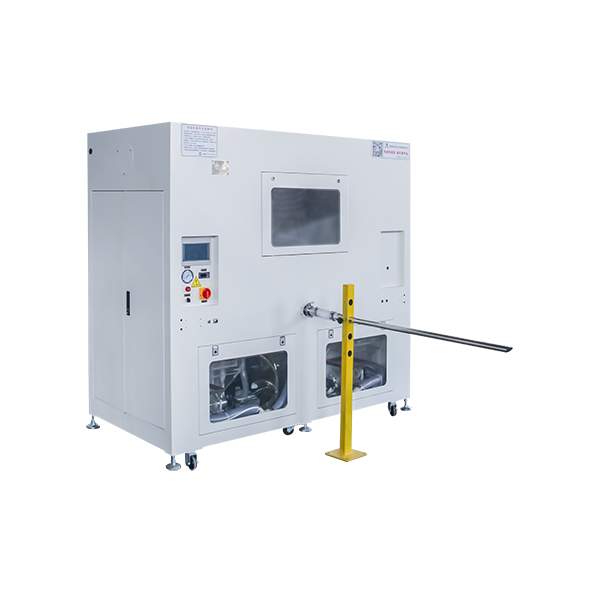
Modern automated systems rely on synchronized feeding and delivery mechanisms. Automated material feeding starts the entire process. Bale openers and fiber carding modules integrate directly with the filler. They create a continuous, uninterrupted material flow. There are no manual pauses to load hoppers. The machinery combs and prepares the fibers automatically before injection.
Air pressure handles the delicate fiber transport. Pneumatic and vacuum delivery systems move materials rapidly. They use controlled airflow to push fibers into the shell. This high-speed transport happens without damaging the material's structural integrity. Down clusters remain intact and fluffy. Synthetic fibers avoid harsh mechanical compression. This process maintains the natural loft of the fill material.
You must choose between precision weighing and volumetric filling technologies based on your product lines. Weighing technology uses highly sensitive load cells. It yields exact grammage for every single unit produced. Manufacturers prefer weighing for high-cost down or feather filling. Load cells measure weight continuously as fiber enters the chamber. They trigger immediate shut-off valves the millisecond target weight hits. It guarantees you never waste expensive natural materials. Volumetric technology takes a different approach. It relies on specific time and chamber volume calculations. It works perfectly for high-speed synthetic processing. Volumetric systems push polyfill rapidly for maximum hourly output.
Multi-nozzle configurations boost your factory efficiency further. Dual or multi-port systems allow truly continuous operation. One port fills a shell automatically. Meanwhile, the operator mounts the next empty shell on the adjacent port. This mechanical overlap eliminates idle waiting time entirely. It maximizes your machine's hourly output effortlessly.
Running equipment at maximum speed always carries inherent risks. You face a real trade-off between raw output and bedding quality. Pushing fibers too fast can cause severe clumping. Misaligned pneumatic settings lead to empty pillow corners. You must calibrate the system carefully to avoid costly defects. Speed means nothing if the final product fails quality checks.
Anti-clumping technologies solve these high-speed injection issues beautifully. Integrated agitators keep materials moving constantly inside the hopper. Agitators act like mechanical arms inside the storage bin. They continuously stir the material to prevent dense pockets from forming. Fine-tuned air pressure maintains distinct fiber separation during transit. High-velocity injection works flawlessly when these elements align perfectly. We recommend adjusting these settings daily for optimal results.
To maintain this delicate balance, follow these core calibration steps:
Test the fiber opening module visually for consistent material separation.
Adjust the pneumatic airflow based on the specific material weight and density.
Run a small sample batch to check for empty corners or lumpy sections.
Verify the final product weight against your strict target parameters.
Lock in the PLC settings once quality matches your expectations completely.
Shell integrity matters immensely during high-speed production runs. Modern filling nozzles secure the fabric exceptionally tight. They grip seams firmly without tearing them under stress. High pressure pushes fibers inside aggressively, but the shell remains perfectly intact. A properly calibrated textile filling machine ensures fast cycles never compromise your product's finish. It protects your brand reputation while increasing throughput significantly.
When selecting new equipment, evaluate material versatility first. Can the machine handle microfiber, natural down, shredded memory foam, and wool? Specialized conversions eat up valuable production time. You want maximum flexibility across your product lines. Having a machine that processes diverse materials expands your market reach.
Changeover efficiency is another critical evaluation metric. Switching from down duvets to polyfill pillows takes dedicated time. How quickly can operators clean the main hopper? How intuitive is the PLC recalibration process? A good machine reduces changeover time drastically. What once took four hours manually can now take twenty minutes. Fast, simple changeovers keep your line moving profitably.
Consider your specific facility footprint and utility requirements deeply. You need adequate floor space for the entire automated line. High-capacity industrial air compressors are absolutely mandatory. Your compressors must handle the specific CFM requirements without dropping pressure. Localized dust extraction systems keep the working environment safe and compliant. Proper ventilation protects your workers from airborne particles.
Data compliance provides a massive competitive edge today. Digital reporting allows for easily exportable fill-weight data. This ensures strict quality assurance across every production shift. It helps you comply with legal textile labeling regulations confidently. Accurate data prevents costly legal disputes over product claims.
Below is an evaluation matrix highlighting vital criteria for equipment selection.
Criteria Category | Key Considerations | Impact on Daily Production |
|---|---|---|
Material Versatility | Compatibility with down, foam, and various microfibers | Allows seamless multi-product manufacturing on a single line |
Changeover Efficiency | Hopper cleaning time, PLC reset speed, nozzle swaps | Reduces costly idle time between different product runs |
Facility Requirements | Compressor capacity, floor space, dust extraction needs | Ensures safe, compliant, and continuous daily factory operation |
Data & Compliance | Exportable weight logs, digital tracking integration | Guarantees legal labeling compliance and robust quality assurance |
Choosing the right home textile filling machines requires assessing all these variables thoroughly. Do not skip this essential diligence phase. Evaluating these criteria ensures you purchase equipment that scales with your business.
The "plug-and-play" concept is largely an industry myth. Instant integration rarely happens on a real factory floor. Dialing in the exact air-to-fiber ratio takes iterative testing. Every material behaves differently under varying pneumatic pressures. We see teams struggle when they expect immediate perfection. You must plan for a structured testing period after installation.
Operator training requires a significant, focused upgrade. Physical labor decreases significantly with automation. However, operators must learn entirely new technical skills. They need to manage complex PLC interfaces comfortably. They must monitor digital sensor alerts closely. Clearing pneumatic blockages safely requires specialized technical know-how. Investing in comprehensive training prevents operator errors later.
Maintenance determines your long-term equipment uptime and reliability. Implementing a strict maintenance log is non-negotiable. It keeps your staff accountable for daily cleaning tasks. You must follow these critical maintenance protocols:
Perform daily load-cell zeroing to ensure absolute weight accuracy.
Execute routine filter cleaning to prevent dangerous airflow pressure drops.
Schedule periodic wear-part replacement to keep the system running smoothly.
Inspect air compressor lines weekly for moisture buildup or leaks.
You must replace nozzle grips and pneumatic valves proactively. Waiting for parts to break causes massive unplanned downtime. Proactive maintenance extends the life of your equipment significantly.
Use strict shortlisting logic when evaluating potential equipment vendors. Recommend vendors offering actual material testing upfront. Run your specific fibers through their physical demo units. Do not rely solely on printed specification sheets. Real-world testing proves the machine's actual production capabilities. Seeing the equipment handle your exact materials builds purchasing confidence.
A high-speed system shifts your operational bottleneck away from the filling stage. This powerful upgrade demands better upstream supply chain management. It also requires extensive downstream packaging readiness. You must prepare your entire facility for this increased volume. Take the following actionable next steps:
Audit your current material waste to understand exactly how much you overfill daily.
Calculate your existing manual labor costs to establish a solid operational baseline.
Request physical trial runs with your shortlisted equipment manufacturers immediately.
Test your own fabric shells and specific fill materials during these critical vendor demonstrations.
Modernizing your production line is a necessary step for scaling profitably. Executing these steps ensures a highly successful equipment rollout and immediate productivity gains.
A: The timeline typically ranges from 8 to 18 months. This depends heavily on your daily shift volume. It is driven primarily by direct labor reduction and exact material yield. Eliminating manual overfilling ensures you only use the required fiber amounts, accelerating your overall operational returns quickly.
A: While hybrid models do exist, natural down requires highly sensitive, static-free environments and precise load cells. Polyfill requires aggressive mechanical fiber opening. Dedicated modules or extremely thorough clean-outs are usually necessary to switch between them effectively without compromising your final material quality.
A: You will need stable, moisture-free compressed air with adequate CFM capabilities. Upgraded electrical drops are mandatory for heavy-duty servo motors. Robust HVAC and localized dust collection systems are also essential to maintain proper workplace safety and prevent dangerous fiber particle buildup in the air.


