

Views: 0 Author: Site Editor Publish Time: 2026-07-13 Origin: Site


High-quality down remains an incredibly expensive raw material in modern textile manufacturing. Manual or outdated filling methods inevitably lead to margin-killing material waste across the factory floor. They also create notoriously inconsistent product quality across different production batches, leading to costly customer returns. Transitioning to an automated down filling machine requires careful operational alignment to protect your bottom line.
You must match specific hardware capabilities precisely to your exact production lines. For example, apparel manufacturing demands extremely high precision for complex garment geometries. Conversely, bedding production requires maximum material volume and rapid throughput to maintain profitability. Selecting the wrong equipment creates massive bottlenecks and destroys delicate down clusters.
This guide provides a detailed technical framework to evaluate various machine types. We will assess precision weighing mechanisms, material adaptability, and critical facility requirements. You will learn exactly how to configure your production floor for maximum efficiency, ensuring your final products meet strict quality standards.
Application Dictates Hardware: Jackets require multi-nozzle, micro-gram precision; quilts and pillows demand high-capacity hoppers and rapid volumetric throughput.
Weighing Technology is Critical: Look for machines utilizing closed-loop load cells rather than timer-based air injection for verifiable accuracy.
Material Versatility Matters: The ideal textile filling machine must handle varying fill powers, feather ratios, and synthetic alternatives without clogging or static build-up.
Hidden Costs: Evaluate Total Cost of Ownership (TCO) by factoring in air compressor requirements, dust extraction compliance, and cleaning downtime between material switch-overs.
Selecting the right hardware always starts by analyzing your final product. Garment manufacturing and bedding production present completely different physical challenges. You cannot easily force one machine architecture to execute both jobs perfectly without compromising quality or speed.
Apparel presents unique obstacles for any production manager. Narrow baffles, complex geometric sewing patterns, and very low fill weights per section define modern outerwear production. A premium mountaineering jacket might contain fifty individual chambers. Some of these tiny chambers require exactly 1.5 grams of material. If you overfill them, the jacket becomes stiff and uncomfortable. If you underfill them, the wearer experiences severe cold spots.
A dedicated Garment Filling Machine solves these exact challenges. It must feature multi-port setups to maintain high output. Manufacturers often utilize systems with two to four independent nozzles operating simultaneously. This allows multiple operators to process different sections of the same coat concurrently. Micro-weighing accuracy serves as an absolute non-negotiable feature. You should expect strict tolerances ranging from ±0.1g to ±0.5g. Furthermore, these systems require specialized, small-diameter nozzles. They must penetrate tight fabric channels without stretching or tearing delicate nylon shell materials.
Common Mistake: Using oversized nozzles on lightweight outerwear. This forces the fabric pores open and inevitably causes down leakage after a few weeks of consumer use.
Bedding production shifts the operational focus from micro-precision to massive throughput. Quilts and pillows involve high fill weights and massive surface areas. A premium king-size winter duvet might require over 1500 grams of raw material. You need rapid cycle times to maintain factory profitability on these bulky items.
A purpose-built Textile Filling Machine handles these precise demands. They incorporate large-diameter filling pipes designed for maximum flow. They also feature high-capacity holding tanks to prevent constant reloading downtime. Modern equipment integrates automated clamping systems. These pneumatic clamps securely hold bulk fabrics over the injection tube. They manage heavy bedding materials safely without damaging the natural loft of the down clusters inside.
Best Practice: Implement automated feeding conveyors alongside your primary equipment. They drastically reduce manual handling times for heavy, cumbersome quilt shells.
Many hardware manufacturers claim their equipment easily handles both heavy bedding and delicate apparel. You must address this hybrid operational reality carefully. Switching your line from heavy pillows to complex winter jackets often creates massive production bottlenecks. The transition fails immediately if your machinery lacks modular nozzles. It also fails without easily programmable software recipes.
Attempting hybrid production on rigid, non-modular machines leads to poor weight accuracy on your jackets. It simultaneously guarantees frustratingly slow injection speeds on your large quilts. You should only consider hybrid setups if the hardware offers quick-release pneumatic fittings and dual-mode weighing software.
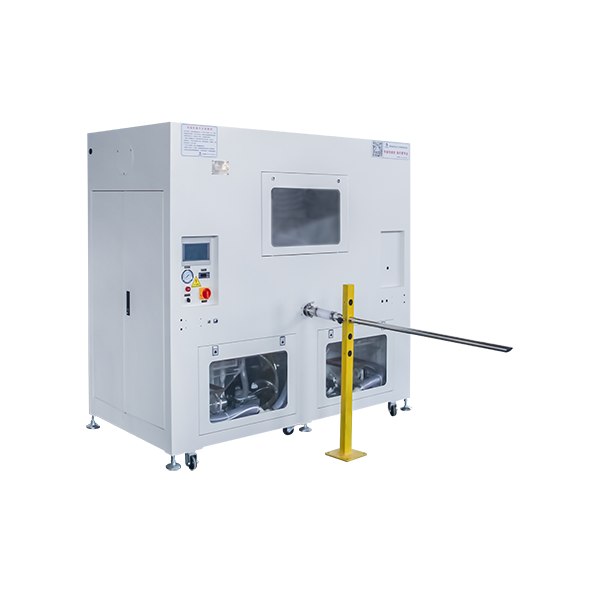
You must look far beyond basic marketing brochures when evaluating industrial hardware. The internal mechanics directly dictate your final product quality and material efficiency. We recommend focusing heavily on four critical engineering pillars before making any purchasing decision.
Weighing technology defines your factory's overall material efficiency. You must contrast modern non-contact weighing boxes against older volumetric models. Older systems rely entirely on timed-air injection. They guess the dispensed weight based solely on the duration of an air blast. This outdated method leads to massive weight discrepancies because it cannot account for real-time changes in material density.
Closed-loop load cells provide verifiable, constant accuracy. They physically weigh the material inside an isolated chamber before injecting it into the fabric. Load cells remain strictly non-negotiable for high fill-power goose down. Because premium down costs so much, gram-level conservation directly protects your profit margins.
System Type | Measurement Mechanism | Accuracy Level | Primary Application |
|---|---|---|---|
Timed-Air Injection | Guesses volume based on blast duration | Low to Moderate (±3g to 5g) | Low-grade synthetic pillows and basic cushions |
Closed-Loop Load Cells | Pre-weighs material in isolated vacuum box | Extremely High (±0.1g to 0.5g) | Premium outerwear, sleeping bags, and luxury quilts |
Evaluate the internal air delivery system carefully. Inconsistent air pressure literally destroys delicate down clusters. High-friction blowers shear the fragile plumules right off the feather structure. This mechanical damage directly reduces the final fill power of your finished garments, leaving them flatter and less insulating. Fluctuating pressure also causes significant weight discrepancies between adjacent baffles.
Advanced equipment utilizes low-pressure, high-volume air streams instead. They transport the material gently through smooth acrylic tubes. This specialized delivery preserves the structural integrity of every single cluster.
High-loft down naturally generates severe static electricity during rapid pneumatic transport. This static buildup leads to immediate internal blockages. Feathers cling stubbornly to acrylic pipes and metal weighing box walls, throwing off the calibration. You must demand integrated ionizers or anti-static air treatments.
This critical technology emits negative ions to neutralize static charges instantly. It ensures a smooth, continuous material flow through the entire system. Without it, operators waste hours every week manually clearing clogged injection nozzles.
Modern fast-fashion production requires rapid factory changeovers. Look closely for intuitive touchscreen PLC (Programmable Logic Controller) systems. The software must store hundreds of specific product recipes securely. A recipe dictates exact, sequential fill weights for every single baffle on a specific garment.
Programmable logic allows your floor operators to switch active production lines instantly. You can transition from filling a heavy winter parka to a lightweight spring vest with one simple button press. This eliminates manual recalibration downtime entirely.
Raw materials behave very differently inside mechanical pneumatic systems. Your equipment must adapt to various biological structures and synthetic profiles seamlessly. A one-size-fits-all approach inevitably causes severe operational friction.
Premium 800+ fill power goose down behaves almost like a cloud. It requires incredibly gentle handling to preserve its delicate structural loft. Aggressive mechanical augers will crush these expensive clusters instantly, ruining their thermal value. Conversely, lower-grade 50/50 feather blends contain stiff, sharp quills. These heavier blends require highly robust anti-clogging mechanisms to keep them moving.
The system must automatically adjust its internal transport dynamics. It needs distinct settings to prevent damage to premium down while still forcefully moving heavier, clump-prone feathers through the pipe network.
Many modern facilities run both synthetic microfibers and natural animal down on the same floor. You must strictly assess the internal clean-out process of any machine you buy. Even trace amounts of synthetic fibers can completely ruin the official certification of a pure goose-down jacket.
A credible machine requires completely toolless physical access. Operators must reach the main holding hopper and all internal weighing boxes easily. They need rapid vacuuming access between material batches to ensure absolute purity.
Stop the machine and purge the main air lines completely empty.
Open the toolless hopper doors for a thorough visual inspection.
Vacuum all internal corners, acrylic pipes, and load cell boxes.
Run a blank, high-pressure air cycle to clear the final injection nozzles.
Top-tier machinery actively accounts for ambient factory humidity. Feathers act remarkably like natural sponges. They absorb invisible moisture from humid factory air very rapidly. This drastically affects the physical weight and flow characteristics of the material.
In high humidity, a weighing box might read five grams, but a full gram of that could be pure water weight. When the jacket eventually dries, the baffle becomes underfilled. Advanced systems incorporate moisture traps in their air lines. Some even feature environmentally controlled holding chambers. They condition the material before weighing, preventing heavy, clumped down from ruining your precise load cell calibrations.
Installing advanced industrial machinery requires significant facility preparation beforehand. You must integrate the new hardware into your existing floor plan safely and efficiently to maximize your return on investment.
Down filling remains an inherently dusty industrial process. Fine particulate matter and broken plumules escape into the ambient air easily. You must evaluate integrated dust collection systems rigorously. They must align perfectly with local occupational safety standards, such as strict OSHA compliance. Airborne down dust poses both a respiratory hazard and a potential combustible fire risk.
Premium closed-system machines feature powerful negative-pressure vacuums. They actively capture stray fibers right at the injection nozzle before they can enter the operator's breathing zone. This keeps the factory floor clean and safe.
Pneumatic air infrastructure represents a commonly overlooked implementation risk. Your factory must provide optimal air support for the machinery to function. The equipment demands continuous, completely dry, and 100% oil-free compressed air.
Even microscopic oil droplets from a cheap standard compressor will permanently coat and ruin expensive down clusters. You must install dedicated refrigerated air dryers and industrial-grade coalescing filtration units inline before the air ever reaches the filling station.
Assess the exact physical space required for installation carefully. You need substantial clearance above the machine for loading raw materials into towering primary hoppers. You also need dedicated, wide zones for moving bulky finished goods away from the immediate filling station.
Calculate total ceiling heights, accounting for high-capacity holding tanks and loading cranes.
Ensure wide perimeter aisles for easy forklift access to the raw material loading zone.
Position subsequent sewing and sealing stations directly adjacent to the filling nozzles for seamless product transfer.
Industrial production relies entirely on maximum daily uptime. You must factor in the ready availability of critical spare parts from your vendor. Wear items like pneumatic solenoid valves, rubber seals, and sensitive load cells will eventually require replacement due to constant cycling.
Always review the manufacturer's Service Level Agreement. You need guaranteed, fast-response technical support and rapid part dispatch capabilities. Regular professional calibration of the internal scales ensures your precision remains strictly locked in for years of heavy operation.
Selecting the appropriate hardware fundamentally dictates your long-term manufacturing success. The shortlisting logic remains straightforward once you clearly define your specific production goals. Prioritize multi-nozzle setups and extreme micro-gram accuracy for complex garments. Conversely, prioritize massive hopper sizes and rapid cycle speeds for bulky bedding products. Always verify the internal weighing technology carefully to ensure you do not waste expensive raw materials.
We highly recommend initiating a physical pilot test as your immediate next step. Request a detailed time-and-motion study from the machinery manufacturer directly. Supply them with your facility's specific down material and actual fabric shells. Evaluate the true cycle times and weight tolerances firsthand. This empirical data will validate your choice perfectly before you sign any final purchase order.
A: For premium garment filling machines, expect tolerances of ±0.1g to ±0.3g per baffle. For bulk pillow and quilt machines, tolerances may range from ±1g to ±5g depending entirely on the total injection volume and material density.
A: Yes, but it requires a specialized machine featuring highly adjustable air pressure settings. It also requires toolless, easy-clean hoppers to prevent static binding and cross-contamination between the natural and synthetic fibers.
A: It prevents damage by utilizing precisely calibrated vacuum suction and low-pressure air injection. This gentle transport method completely avoids mechanical augers or high-friction blowers that can crush and destroy fragile down clusters.
A: Primary tasks include daily dust extraction box cleaning, regular professional calibration of the internal weighing load cells, and routine inspection of all pneumatic air filters to ensure continuously moisture-free air delivery.


