

Views: 0 Author: Site Editor Publish Time: 2026-07-11 Origin: Site


Scaling a modern production line demands absolute precision. Production managers and factory owners constantly face a critical manufacturing choice. You must decide between prioritizing raw volume or guaranteeing exact accuracy. Transitioning from manual methods involves significant risk. Furthermore, bulk cutting systems often introduce unacceptable fabric distortion. A single ply fabric cutting machine directly solves this problem. It offers unmatched exactness for intricate, high-value textiles. However, no equipment is a magic solution for every single fabric type. True operational success relies heavily on matching the right cutting head to your specific material tolerances. In this comprehensive guide, you will learn exactly what materials these machines handle best. We will explore technical tool matching, operational limits, and rigorous testing protocols. You will then have the knowledge to make an evidence-backed equipment decision for your facility.
Single ply machines excel in high-precision, low-distortion scenarios, outperforming multi-layer setups for stretch, technical, and composite textiles.
Accurate cutting depends not just on the machine, but on matching the correct cutting head (oscillating blade, rotary, drag knife, or laser) to the material.
While a single ply fabric cutting machine handles a vast array of materials, abrasive composites and ultra-thick foams present specific operational challenges requiring specialized tooling.
Evaluating an Automatic Cutting Machine requires testing your specific production materials to verify edge quality, feed rates, and vacuum hold-down effectiveness.
Every textile facility reaches a clear operational fork in the road. You must choose the right machinery for your production scale. A high-volume facility might automatically lean toward a Multi Layer Fabric Cutting Machine. These bulk cutters slice through dozens of fabric layers simultaneously. They maximize output for basic garments. However, sheer volume often compromises exact dimensional accuracy. A single-ply system prioritizes perfect edge quality over mass output. We see this choice defining modern, agile manufacturing strategies.
Distortion is the enemy of technical apparel. Multi-layer cutting inherently suffers from "ply-shift." When a heavy blade presses down on a thick stack of fabric, the layers compress. The bottom layers spread out slightly more than the top layers. This compression results in mismatched pattern pieces. Single-ply cutting completely eliminates ply-shift. The blade interacts only with one flat, uncompressed layer. You get exact-match patterns every single time. This is critical for activewear, aerospace composites, and luxury garments.
Modern consumers demand personalized products. This shift makes customization highly profitable. Single-ply machines are the superior choice for made-to-measure operations. They dominate short-run and mass-customization business models. You do not need to wait to stack fifty layers of identical fabric. You can cut a single customized order immediately. This Just-in-Time (JIT) agility reduces warehouse inventory. It allows brands to respond to fashion trends overnight. Ultimately, agility often proves more profitable than sheer volume.
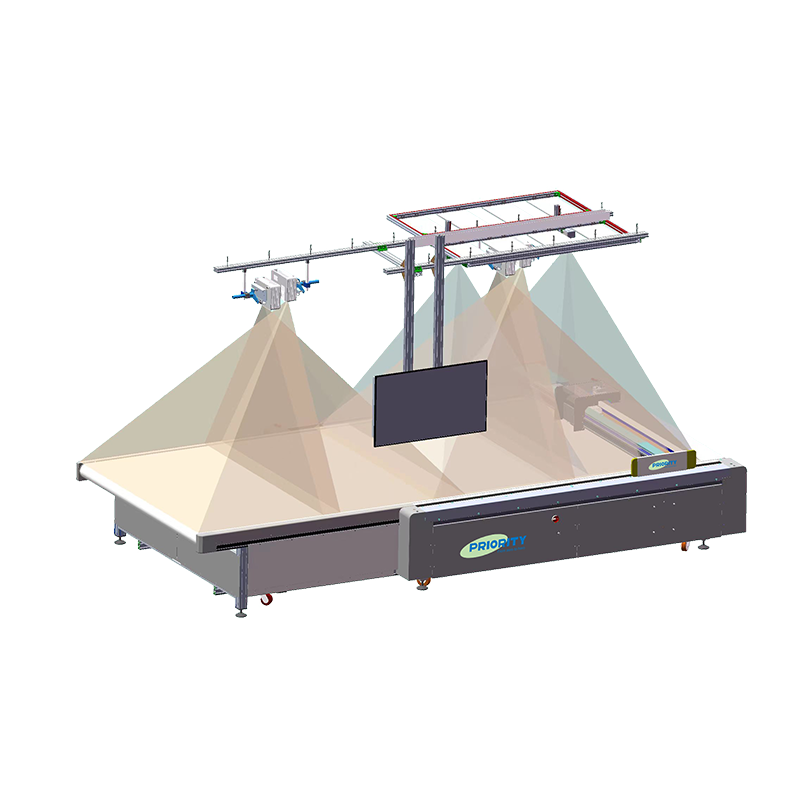
The success of your cutting room depends on specific tool matching. Different fabrics require entirely different cutting mechanisms. We will break down how specialized heads handle distinct material categories.
Technical textiles represent the most demanding category for any cutting room. These materials include Kevlar, carbon fiber, fiberglass, and heavy Cordura. They possess massive tensile strength. Standard blades dull instantly against them.
Cutting these materials requires heavy-duty oscillating blades. The blade saws up and down thousands of times per minute. This motion easily slices through tough fibers without dragging them. In extremely demanding cases, ultrasonic cutting heads are necessary. Ultrasonic heads vibrate at ultra-high frequencies. This micro-friction lightly melts the edges of thermoplastic composites. It prevents fraying and ensures a flawless, durable seam.
Activewear relies heavily on spandex blends and athletic wear knits. These fabrics stretch incredibly easily. If a blade pulls the fabric during a cut, the resulting pattern piece will shrink back. It will end up smaller than your CAD design.
Precision here relies heavily on intelligent vacuum hold-down systems. The vacuum table sucks the porous knit tightly against the cutting bed. This locks the fibers in place. Rotary blades are often preferred for this category. A rotary wheel rolls over the fabric. It presses down cleanly rather than dragging a sharp point through the weave. This completely prevents material bunching.
Natural fibers remain a staple in global manufacturing. Denim, cotton, silk, and wool fall into this traditional category. They are generally stable. They do not stretch unpredictably like knits. They do not resist blades like carbon fiber.
Standard rotary or drag knives provide highly accurate cuts here. Drag knives offer crisp, clean edges on tight corners. You must consider edge-sealing realities. Natural wovens do not melt. You cannot use a laser to cauterize their edges. Lasers will simply burn or scorch cotton and silk. Therefore, traditional physical blades remain the absolute best choice for natural woven textiles.
Heavy synthetics and animal hides present unique density challenges. Materials like PVC, PU leather, nylon, and polyester require forceful cutting strategies. Leather has natural inconsistencies. Vinyl can be highly dense.
We recommend tangential oscillating blades for leather and vinyl. The machine actively rotates the blade to face the precise direction of the cut. This prevents the blade from bending in dense materials. It ensures perfect 90-degree corners. For thinner synthetics like nylon, laser heads are incredibly effective. The laser beam vaporizes the material. It cauterizes and seals the edges automatically. This eliminates the need for post-cut hemming.
Material Category | Common Examples | Recommended Tooling | Primary Challenge Solved |
|---|---|---|---|
Technical Composites | Kevlar, Carbon Fiber | Oscillating, Ultrasonic | Extreme tensile strength and edge fraying |
High-Stretch Knits | Spandex, Activewear | Rotary Blade + Heavy Vacuum | Fabric bunching and dimensional shrinkage |
Natural Wovens | Cotton, Silk, Denim | Drag Knife, Rotary Blade | Clean corners without edge scorching |
Dense Synthetics | Leather, PVC, Nylon | Tangential Knife, Laser | Material density and automatic edge sealing |
We must address operational edge cases transparently. Building a trustworthy production line means understanding machine limits. No single machine handles every extreme scenario perfectly. Identifying these limitations upfront prevents costly manufacturing delays.
Ultra-thick or highly porous foams challenge standard configurations. Standard single-ply cutter bridges have strict Z-axis height restrictions. They simply cannot clear blocks of foam thicker than a few inches. Furthermore, porous foams allow air to pass straight through them. This destroys vacuum hold-down efficacy. The machine cannot grip the material tightly. The foam will slide around under the blade pressure.
Highly abrasive materials also present severe challenges. Fabrics woven with metallic threads destroy standard steel instantly. Heavy ceramic coatings cause rapid blade degradation. You will find yourself replacing consumable parts constantly. This frequent maintenance drastically alters your operating budget. Cutting these materials efficiently requires specialized carbide or diamond-tipped tools. Even then, you must plan for frequent machine downtime.
Thermal constraints apply strictly to laser-based systems. You might consider a laser cutter for synthetics. However, you must carefully evaluate the chemical makeup of your textiles. Cutting PVC with a laser produces toxic chlorine gas. This off-gassing poses severe health risks to operators. It also rapidly corrodes internal machine components. Additionally, lasers cause severe edge-scorching on light-colored natural fibers. A white cotton shirt will show distinct brown burn marks along every cut seam.
Selecting the right equipment requires a structured approach. You must evaluate machines based on practical floor operations. Consider these core dimensions before committing capital.
Tooling Modularity: Evaluate whether the machine allows for quick-change tool heads. You might need to swap a rotary blade for an oscillating knife quickly. A modular Automatic Cutting Machine supports multiple material types on the same floor. This flexibility saves massive capital investment.
Vacuum Zone Management: Assess the machine's vacuum system. It must concentrate power on specific bed zones. This is critical for holding down slippery or non-porous materials accurately. Weak vacuums ruin tight tolerance cuts.
Software and Nesting Integration: Examine how the cutting software reads your CAD files. Superior software optimizes material yield automatically. It packs pattern pieces tightly together. This reduces fabric waste. It turns raw cutting accuracy into tangible financial ROI.
Scalability & Compliance: Industrial environments demand strict safety standards. Look for essential safety features like light curtains and emergency stop buttons. Ensure the equipment meets regional electrical and manufacturing compliance standards like CE or UL.
Installing new equipment disrupts established workflows. Preparing for these realities ensures a smoother transition. You must manage operator expectations and maintenance budgets carefully.
Acknowledge the learning curve immediately. Operators face real calibration realities. Different materials require distinct, precise calibration. Operators must adjust blade depth accurately. They must test cutting speed or feed rates. They must program overcut parameters to ensure clean corners. If they push a blade too fast through dense leather, the blade will snap. Proper training takes several weeks.
Consumables management requires a dedicated budget. You are not just buying a machine. You are committing to ongoing parts replacement. Cutting mats and conveyor belts wear down over time. Blades dull constantly. You must highlight that cutting harder composites will drastically shorten maintenance intervals. Keep spare parts on the factory floor. Running out of blades halts production instantly.
Follow a strict shortlisting logic before purchasing. We advise buyers to never purchase without a "Proof of Concept" (PoC) cut. Vendor promises mean little without physical proof.
Identify your most difficult, expensive, or problematic material.
Send a physical roll of this material directly to the manufacturer.
Provide a complex CAD file with tight corners and small details.
Request a video of the machine cutting your exact file.
Inspect the returned cut pieces for dimensional accuracy and edge fraying.
This simple process verifies claimed tolerances. It prevents you from buying an incompatible system.
The true value of a single ply fabric cutting machine lies in its versatility. It offers zero-distortion precision for demanding textiles. It outperforms bulk cutting methods whenever exact accuracy matters more than raw volume. You avoid ply-shift entirely. You gain the agility needed for custom, on-demand manufacturing.
Success requires rigorous tool matching. You must pair oscillating blades with tough composites. You must use rotary blades for stretchy knits. Be aware of the limitations regarding ultra-thick foams and highly abrasive coatings. Modularity and software integration will drive your daily return on investment.
Take immediate action to improve your facility. First, audit your current material scrap rates. Identify exactly how much fabric you lose to manual cutting errors. Next, select your top three vendor choices. Finally, schedule a physical or virtual cutting demonstration using your toughest textiles. Evidence-based testing is the only way to guarantee a successful equipment upgrade.
A: Technically yes (often called "low-ply"), but doing so risks the precision the machine was purchased for. A dedicated Multi Layer Fabric Cutting Machine is better for true bulk.
A: A laser cutting head or an ultrasonic blade, as both seal the edges during the cutting process.
A: The machine's working width must accommodate your widest rolled goods, plus allowance for the vacuum margin. Buying a machine too narrow bottlenecks production, while one too wide wastes floor space and vacuum energy.


